Last Updated: October 9, 2026
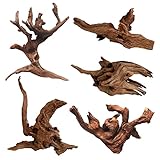
- Top Pick: majoywoo Natural Driftwood for Aquarium Decor Fish Tank Decor Reptile Decor
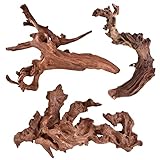
- Best Value: ZCXETP 3PCS Driftwood for Aquarium, 5.91''-7.87'' Aquarium Driftwood, Fish Tank Driftwood, for Fish Tank and Aquascaping Driftwood for Reptile Tanks(Random Style)
- Premium Choice: majoywoo Natural Small Driftwood for Aquarium Decor Reptile Decor
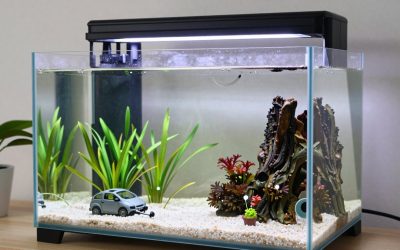
Driftwood and botanical hardscape are the backbone of any natural-looking aquascape. The right piece of aquarium wood does more than decorate: it creates depth, anchors plants and mosses, releases beneficial tannins, and provides grazing surfaces and hiding spots that make fish behave more naturally. Choosing well is the difference between a flat tank and a living underwater landscape.
As an Amazon Associate I earn from qualifying purchases.
As an Amazon Associate we earn from qualifying purchases at no extra cost to you.





Prime
Best Seller
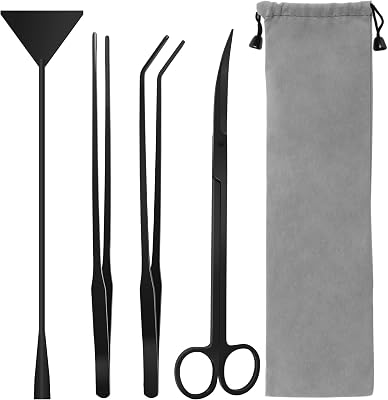
4Pcs Aquascaping Tools, Jeimier Aquascape Kit, Long and Strong Aquarium Tweezers, Scissors, Algae Scraper, Aquarium Plant Tools, Fish Tank Plant Trimming Kit

Prime
Limited Time
majoywoo Natural Coral Driftwood for Aquarium Decor Fish Tank Decorations, Assorted Driftwood Branch 6-10" 3 Pcs, Reptile Decor…


This 2026 guide to the best aquarium wood for aquascaping covers the most popular wood types, how each behaves in water, and which pieces suit different scaping styles from minimalist Iwagumi accents to sprawling jungle biotopes. We focus on shape, density, and how much preparation each requires so you can build a scape that looks intentional and stays healthy.
| Product | Best For | Standout Feature | Rating |
|---|---|---|---|
| Spider Wood | Airy, branchy layouts | Intricate twisting branches | 4.8/5 |
| Malaysian Driftwood | Dark, dramatic centerpieces | Dense, sinks immediately | 4.7/5 |
| Manzanita Wood | Nature-style trees | Fine tapering branch tips | 4.7/5 |
| Mopani Wood | Two-tone focal pieces | Sandblasted dual-color grain | 4.5/5 |
| Cholla Wood | Shrimp and nano tanks | Hollow, biofilm-rich texture | 4.6/5 |
🛒 Best Price Today on Amazon
Prime members get fast, free shipping on everything above, plus member-only deals. New members get a 30-day free trial — cancel anytime.
Understanding Aquarium Wood Types for Aquascaping
Not all driftwood behaves the same underwater, and matching the wood to your vision is the first real aquascaping decision. Dense woods like Malaysian and Mopani sink almost immediately, while lighter woods such as spider wood and manzanita often float for days or weeks until fully waterlogged. Knowing this upfront saves frustration; our driftwood preparation guide covers boiling, soaking, and weighting techniques in detail.
Wood also leaches tannins that tint the water a tea-like amber. Many aquascapers embrace this blackwater aesthetic for biotope tanks, while others pre-soak wood to reduce the effect. Tannins are harmless and even beneficial, gently lowering pH and offering mild antibacterial properties, but if you want crystal-clear water our tannin removal tips explain how to manage it with activated carbon and water changes. The shape you choose then dictates your layout style, whether a single dramatic focal point or a network of connected branches.
Spider Wood
Spider wood, also called Azalea root, is the darling of modern aquascaping thanks to its wild, twisting branches that fan out like tree roots or bare winter canopies. It is ideal for creating a sense of movement and negative space, and it takes moss and epiphytes like Bucephalandra beautifully. Pros: stunning natural shapes, lightweight and easy to position, perfect for tree-style scapes. Cons: floats stubbornly until soaked, and it grows a fuzzy biofilm during the first few weeks that requires patience. Attaching plants is simple with our moss and epiphyte guide.
Malaysian Driftwood
For a dark, weighty centerpiece that sinks the moment it hits the water, Malaysian driftwood is a classic choice. Its deep brown-to-black tones create striking contrast against green plants and light substrate, making it a favorite for dramatic focal layouts. Pros: extremely dense so no weighting needed, rich color, durable for years. Cons: it releases heavy tannins initially and its smooth, chunky forms offer less branching complexity than spider or manzanita wood. It pairs wonderfully with the ferns covered in our low-light plant roundup.
Manzanita Wood
Manzanita is prized for nature-style aquascapes because its slender branches taper to fine, realistic tips that mimic real trees when planted upright. It is a staple of competition tanks for exactly this reason. Pros: elegant tapering branches, hard and long-lasting, minimal tannin release compared to Malaysian. Cons: often sold in pieces that need combining, and thinner branches can be delicate during transport. Combine several pieces following our hardscape composition rules for a convincing canopy.
Mopani Wood
Mopani wood offers a distinctive two-tone appearance, with a light sandblasted side contrasting a darker grain, giving each piece sculptural character. It is dense and sinks readily, making it a reliable centerpiece. Pros: unique dual coloring, heavy enough to sink, very hard and durable. Cons: it can leach tannins for an extended period, so a longer pre-soak is recommended before display.
Cholla Wood
Cholla wood, the dried skeleton of a cactus, is a nano and shrimp keeper favorite. Its hollow, porous tubes grow rich biofilm that shrimp graze constantly, and the openings make perfect hiding tunnels for fry and dwarf shrimp. Pros: excellent shrimp food source, lightweight, affordable. Cons: it breaks down over several months and eventually needs replacing, so treat it as semi-consumable hardscape.
Bogwood Root Pieces
Large bogwood root sections deliver an aged, gnarled look that suits jungle and biotope tanks where you want an established, wild feel. These substantial pieces create caves and overhangs that fish love. Pros: dramatic aged texture, generous hiding structure, sinks well. Cons: bulky pieces demand larger tanks and can consume significant footprint, so plan your layout before purchasing.
Preparing and Placing Aquarium Wood
Once you have chosen your wood, preparation ensures it looks and performs its best. Scrub away loose debris, then boil smaller pieces or soak larger ones for one to two weeks to waterlog them and release excess tannins. Positioning is an art in itself: follow the rule of thirds, avoid perfectly symmetrical placement, and let branches lead the eye toward a focal point. Anchoring moss and epiphytes to the wood adds instant maturity, and our aquascaping layout tutorial demonstrates how to build a cohesive scene that grows in beautifully over the following months.
Frequently Asked Questions
Why does my aquarium wood turn the water brown?
The brown tint comes from tannins, natural compounds released as wood soaks in water. Tannins are completely harmless and even beneficial for many fish, gently softening water and lowering pH, but if you prefer clear water you can reduce them with pre-soaking, activated carbon, and regular water changes over the first few weeks.
How do I stop new driftwood from floating?
Lighter woods like spider wood and manzanita float until they absorb enough water to sink, which can take days or weeks. You can speed this up by boiling smaller pieces, soaking larger ones in a bucket, or temporarily weighting the wood down with stones or by attaching it to a slate base until it stays submerged on its own.
Is the white fungus on new aquarium wood dangerous?
The fuzzy white biofilm that appears on fresh driftwood is a harmless fungus feeding on surface sugars, and it disappears within a few weeks as the wood matures. Shrimp, snails, and many fish will graze it, and you can simply brush it off during water changes if you find it unsightly while it runs its course.
Which aquarium wood is best for a beginner aquascape?
Malaysian driftwood is the most forgiving choice for beginners because it sinks immediately and requires no weighting or waiting. Its bold, chunky shapes make it easy to create an instant focal point, and once tannins settle it provides a durable, attractive centerpiece that suits almost any planted community tank.
Ready to decide? Our #1 pick for 2026 is the Spider Wood.
Live price & availability on Amazon.
Related Reviews & Guides
6 Best Siphon Aquarium Cleaners 2026
Best Budget Rimless Aquarium: Top Expert Value Buying Guide