Last Updated: October 4, 2026
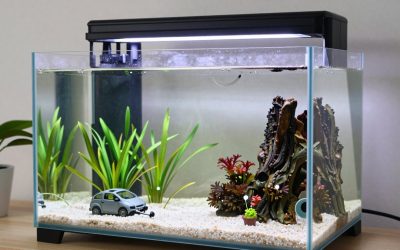
Aquascaping turns a plain fish tank into a living underwater landscape, and it is far more approachable than the competition photos suggest. With a few beginner-friendly tools, hardy plants, and some basic design principles, anyone can build a scape they are proud of. This 2026 guide covers the best aquascaping for beginners, from essential gear to layout tips that make your first attempt look intentional.
As an Amazon Associate I earn from qualifying purchases.
As an Amazon Associate we earn from qualifying purchases at no extra cost to you.




Prime
Best Seller
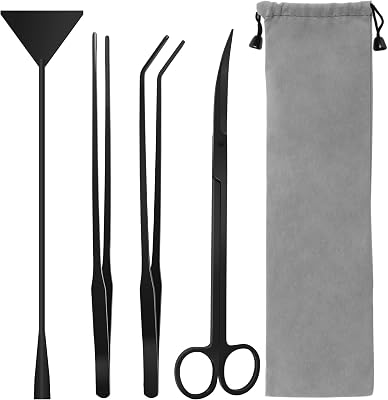
4Pcs Aquascaping Tools, Jeimier Aquascape Kit, Long and Strong Aquarium Tweezers, Scissors, Algae Scraper, Aquarium Plant Tools, Fish Tank Plant Trimming Kit

Prime
Editor's Pick
Fluval 12694 Plant and Shrimp Stratum for Freshwater Fish Tanks, 8.8 lbs. – Aquarium Substrate for Strong Plant Growth, Supports Neutral to Slightly Acidic pH

Prime
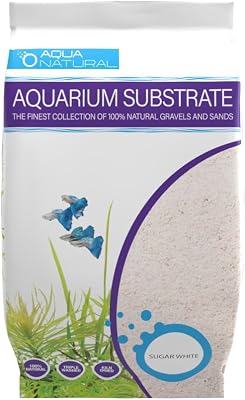
Aqua Natural Substrate, Sugar White Sand, 10lb | Aquascaping, Aquariums, Vivariums, Terrariums
🛒 Best Price Today on Amazon
Prime members get fast, free shipping on everything above, plus member-only deals. New members get a 30-day free trial — cancel anytime.
What Is Aquascaping for Beginners?
Aquascaping is the art of arranging plants, rocks, and driftwood to create a natural, balanced underwater scene. For beginners, the secret is starting simple: hardy plants, an inert hardscape, and a clear focal point. You do not need injected carbon dioxide or expensive tools to get started. Begin by understanding the basics in our planted tank fundamentals guide before you buy anything.
| Product | Best For | Standout Feature | Rating |
|---|---|---|---|
| Fluval Stratum Substrate | Rooted plant growth | Nutrient-rich plant base | 4.6/5 |
| Dragon Stone Hardscape | Beginner-safe scapes | Inert, textured stone | 4.8/5 |
| Aquascaping Tool Set (tweezers/scissors) | Precise planting | Long stainless tools | 4.5/5 |
| Anubias & Java Fern Bundle | Low-light beginners | Nearly foolproof plants | 4.7/5 |
| Spider Wood Driftwood | Natural focal points | Branchy, characterful shape | 4.6/5 |
Essential Aquascaping Gear for Beginners
You need only a handful of items to start: a nutrient substrate or inert sand with root tabs, a hardscape of rock or wood, easy plants, and a long pair of tweezers and scissors for planting and trimming. A decent light and gentle filter round out the kit. Everything else is optional at first. Match your light to your plants using our planted tank lighting guide.
Fluval Stratum Aquascaping Substrate
A good substrate is the foundation of a planted aquascape, and Fluval Stratum is a beginner favorite for rooted plants. Its porous, nutrient-rich granules encourage strong root growth and gently soften water, which many plants and shrimp appreciate. It can cloud the water if disturbed and breaks down over a few years, so cap or handle it carefully. For a first planted scape, it gives plants a real head start.
Dragon Stone Aquascaping Hardscape
Dragon stone is the most beginner-friendly aquascaping rock because it is inert, so it will not shift your water chemistry, and its pitted surface creates instant texture and caves. It stacks into convincing miniature cliffs and looks superb with moss tucked into the crevices. It is brittle, so handle it gently and rinse off loose clay. Learn to place it well with our hardscape layout tutorial.
Aquascaping Tool Set for Beginners
Trying to plant delicate stems with your fingers is a recipe for frustration and uprooted plants. A basic set of long tweezers and curved scissors lets you push roots neatly into the substrate and trim growth cleanly without disturbing the scape. Stainless steel tools resist rust and last for years. They are inexpensive and transform the planting experience, making them one of the smartest early purchases.
Anubias and Java Fern Aquascaping Plants
No aquascaping-for-beginners guide is complete without these two nearly indestructible plants. Both are low-light epiphytes that you tie or glue to rock and wood rather than planting in substrate, which makes them forgiving and flexible. They grow slowly and tolerate a wide range of conditions. Their one rule is not to bury the rhizome, which will rot if covered. They are the perfect confidence-builders for a first scape.
Spider Wood Aquascaping Driftwood
Spider wood gives a scape natural structure and a striking focal point with its branching, root-like shape. It anchors moss and epiphytes beautifully and creates depth. Fresh spider wood floats until waterlogged and can leach tannins that lightly tint the water, so soak or boil it first if you prefer clear water. Its character makes even a simple layout look designed and mature.
Which Aquascaping Setup Should Beginners Choose?
Start with Fluval Stratum, a piece of dragon stone or spider wood, and a bundle of anubias and java fern, plus a basic tool set. This combination is affordable, forgiving, and produces a genuinely attractive scape without carbon dioxide injection. Add complexity only once you are comfortable with the basics of plant care and trimming.
Beginner Aquascaping Design Principles
Follow a few simple rules and your first scape will look intentional. Choose one clear focal point rather than several competing features, use an odd number of main stones or wood pieces, and place that focal point off-center for a natural feel. Create depth by placing larger elements at the back and finer plants toward the front. These ideas draw on our golden ratio aquascaping guide and work in any tank size.
Maintaining a Beginner Aquascape
A planted aquascape needs steady, gentle care rather than dramatic overhauls. Trim plants regularly to encourage bushy growth, keep your photoperiod to six to eight hours to limit algae, and dose a little fertilizer if leaves pale. Do consistent weekly water changes and resist the temptation to rescape too often, since plants need time to settle and fill in. Combine this with our algae prevention checklist for a scape that only improves with time.
Frequently Asked Questions
Is aquascaping hard for beginners?
Aquascaping is very approachable for beginners if you start with hardy plants, an inert hardscape, and a simple layout with one focal point. The competition scapes you see online use advanced techniques, but a beautiful, low-tech planted tank is well within reach on your first try, especially with easy plants like anubias and java fern.
Do I need CO2 for a beginner aquascape?
No, injected carbon dioxide is not required for a beginner aquascape. Many stunning low-tech scapes rely on hardy plants that grow well without it, such as anubias, java fern, cryptocoryne, and mosses. You can always add a carbon dioxide system later if you decide to grow demanding carpeting plants that need it to thrive.
What plants are best for aquascaping beginners?
The most beginner-friendly aquascaping plants are anubias, java fern, cryptocoryne, java moss, and floating plants like frogbit. These species tolerate low light, do not require carbon dioxide, and forgive inconsistent care while you learn. Attaching epiphytes to rock and wood also removes the tricky step of planting delicate stems in substrate.
How do I stop algae in my beginner aquascape?
Keep your light on a timer for only six to eight hours, avoid overfeeding, and stay consistent with weekly water changes to limit the excess nutrients algae feeds on. Fast-growing and floating plants help by outcompeting algae, and a small cleanup crew of shrimp or snails grazes away early growth before it spreads.
Related Reviews & Guides
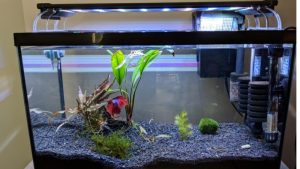

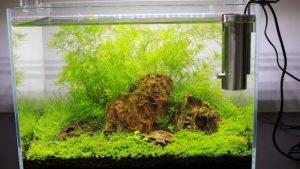
Best Rimless Aquarium for a Planted Setup: Top Picks Guide
Best All in One Saltwater Tank Under 20 Gallons: Top Nanos