Last Updated: October 4, 2026
- Top Pick: hygger Fish Tank Corner Filter 80GPH for 5~10 Gallon Aquarium
- Best Value: hygger Quiet Hang On Back Aquarium Filter 5-30 Gallon Small Fish Tank Canister Filter with Surface Skimmer Spray Bar 3 Floss Pads Bio Filter Media Adjustable Flow, Easy Water Change 132 GPH
- Premium Choice: hygger Quiet 5-in-1 Aquarium Filter for Small Fish Tank
Hygger has quietly become one of the most popular budget-forward brands in the hobby, and its aquarium filter lineup is a big reason why. From compact internal units for nano tanks to hang-on-back workhorses, the range covers most freshwater setups without demanding a premium price. This 2026 guide ranks the best Hygger aquarium filter models and shows you how to match one to your tank.
As an Amazon Associate I earn from qualifying purchases.
As an Amazon Associate we earn from qualifying purchases at no extra cost to you.


Prime
Tetra Whisper Internal Power Filter, Medium Bio-Bag Filter Cartridges, 3-Stage Filtration, 5-10 gal
🛒 Best Price Today on Amazon
Prime members get fast, free shipping on everything above, plus member-only deals. New members get a 30-day free trial — cancel anytime.
Why Consider a Hygger Aquarium Filter?
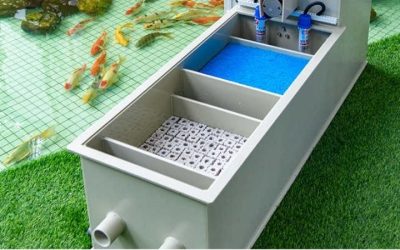
A good aquarium filter does three jobs at once: mechanical, biological, and chemical filtration. Hygger units bundle all three affordably, and many include thoughtful extras like adjustable flow and built-in surface skimmers. They are not the last filter a serious keeper will ever buy, but for most community tanks they punch above their weight. If your water still looks cloudy, our guide on clearing up a cloudy aquarium pairs well with any pick below.
| Product | Best For | Standout Feature | Rating |
|---|---|---|---|
| Hygger Hang-On-Back Filter | Community tanks | Adjustable flow control | 4.6/5 |
| Hygger Internal Power Filter | Nano and betta tanks | Quiet submersible design | 4.5/5 |
| Hygger Double Sponge Filter | Fry and shrimp tanks | Gentle, safe suction | 4.7/5 |
| Hygger Canister-Style Filter | Larger planted tanks | High media capacity | 4.4/5 |
| Hygger 3-in-1 Wall-Mounted Filter | Aquascapes wanting clean looks | Slim hidden profile | 4.3/5 |
Choosing the Right Hygger Aquarium Filter
Start with turnover: aim for a filter that cycles roughly four to six times your tank volume per hour. Then think about your livestock. Delicate shrimp and fry need gentle flow, while messy goldfish demand extra mechanical capacity. Finally, weigh how much maintenance you want, since sponge filters are simplest and canisters hold the most media. Our filtration basics explainer unpacks these trade-offs in plain language.
Hygger Hang-On-Back Aquarium Filter
This is the do-everything default. The hang-on-back design keeps the media outside the tank for easy servicing, and the adjustable flow valve lets you tame the current for calmer species. It runs quietly once primed and offers plenty of room for biomedia. On the downside, the intake lacks a fine pre-filter out of the box, so add a sponge guard if you keep shrimp or tiny fish.
Hygger Internal Power Aquarium Filter
For nano tanks and betta setups, this submersible internal filter is a tidy solution. It hides low in the tank, provides gentle circulation, and the small footprint suits desktop aquariums. It is genuinely quiet, though the compact media chamber means more frequent rinsing on a heavily stocked tank. Betta keepers appreciate that the flow can be aimed away from the surface to keep their fish comfortable.
Hygger Double Sponge Aquarium Filter
Air-driven sponge filters are the unsung heroes of breeding and shrimp tanks, and Hygger’s dual-sponge model is a strong value pick. The wide sponge surface grows a huge bacteria colony while the gentle suction poses no risk to fry or shrimplets. It needs an air pump and airline, and it does little for chemical filtration, but for its intended role it is nearly perfect. Read our shrimp keeping essentials before setting one up.
Hygger Canister-Style Aquarium Filter
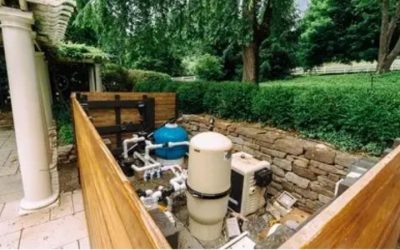
When you graduate to a larger or heavily planted display, Hygger’s canister-style unit brings serious media volume without a flagship price. The sealed body keeps flow strong and lets you stack multiple media types for polished, crystal-clear water. Setup and priming take a little patience, and the tubing footprint is larger, but the payoff is powerful, low-maintenance filtration. It suits tanks where a hang-on-back simply cannot keep up.
Hygger 3-in-1 Wall-Mounted Aquarium Filter
Aquascapers who hate visible equipment gravitate to this slim, wall-hugging filter. It combines a pump, media chamber, and surface skimmer in one low-profile unit that nearly disappears against the back glass. The skimmer keeps the surface film-free, which helps gas exchange and photography. Its media capacity is modest, so it is best on lightly stocked, plant-heavy tanks rather than boisterous cichlid communities.
Which Hygger Filter Is Right for You?
Choose the hang-on-back for a standard community tank, the internal or wall-mounted model for nano and betta setups, and the double sponge for anything with fry or shrimp. Step up to the canister when your tank size or bioload outgrows a simpler filter. Whatever you pick, sizing generously beats running an underpowered filter at full tilt.
Setting Up Your Hygger Aquarium Filter
Rinse new media in dechlorinated water, prime the unit fully before switching it on, and position the outflow to create gentle surface movement for oxygen exchange. Never let a new filter run dry, and give it a few weeks to mature its bacteria colony before adding a full stock of fish. Our nitrogen cycle walkthrough explains why that maturation period is so important for a healthy aquarium filter.
Maintaining Any Hygger Aquarium Filter
Rinse sponges and mechanical media in old tank water, never tap water, to protect the beneficial bacteria you have cultivated. Replace only one media type at a time and stagger changes so you never crash your biofilter. Check the impeller every couple of months for buildup that causes noise or weak flow. With this simple routine, a Hygger filter will run reliably for years and keep your weekly maintenance schedule short and painless.
Frequently Asked Questions
Is a Hygger aquarium filter good for beginners?
Yes, Hygger filters are especially beginner-friendly because they are affordable, come mostly pre-assembled, and include adjustable flow on many models. That flexibility lets new keepers dial in gentle current for delicate fish while still providing the mechanical and biological filtration a healthy aquarium needs to stay clear and stable.
What size Hygger filter do I need for my tank?
Aim for a filter rated to turn over your entire tank volume roughly four to six times per hour, and size up if you keep messy or heavily stocked fish. For example, a 20 gallon community tank benefits from a filter rated around 100 gallons per hour to keep water genuinely clear.
How often should I clean a Hygger aquarium filter?
Rinse the mechanical media every two to four weeks in old tank water, depending on your stocking level and how quickly flow slows. Avoid deep-cleaning every component at once, since staggering media changes preserves the beneficial bacteria colony that keeps ammonia and nitrite safely under control.
Can a Hygger filter be used in a planted aquarium?
Absolutely. Hygger canister and wall-mounted models suit planted tanks well because they provide strong circulation without excessive surface agitation that would gas off carbon dioxide. Just aim the outflow to keep water moving gently across the plants and add fine media to polish the water to a crisp, showcase clarity.
Related Reviews & Guides
Best Mini Aquarium for Desk: Smart Picks for Small Spaces
Best Aquarium LED Lighting in 2026: Compared and Ranked