Last Updated: October 21, 2026
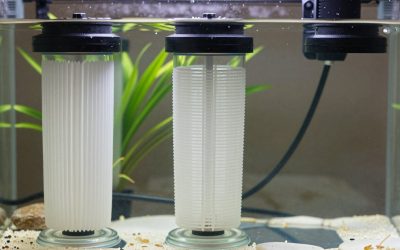
- Top Pick: BOATLY Aquarium Filter Sheets for Water Filtration,Make Cloudy Water Crystal Clear, 50 Count, with All Types of Filters on the Market
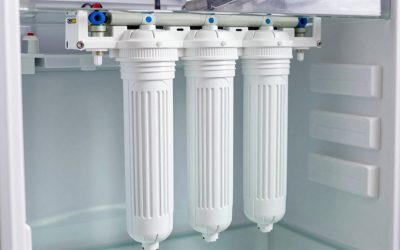
- Best Value: XpertMatic 3 Stages 475 GPH Aquarium Filter for Up to 120 Gallon Fish Tank
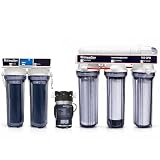
- Premium Choice: LiquaGen- 5 Stage Reverse Osmosis & Deionization (RODI) | Aquarium Reef Water Filter System – 75 GPD | Water Purifier for Fish Tank with Filter's Included
Stock aquarium filters are designed to be adequate for the average tank, not optimized for yours. With a handful of inexpensive parts and a little tinkering, you can transform a basic filter into a polishing machine that keeps water crystal clear and chemistry rock solid.
This roundup collects the most effective DIY filter modifications for 2026, from swapping flimsy stock cartridges for layered media to upgrading your source water with an RO/DI system. These are practical, reversible tweaks that repay their small cost with visibly clearer water and healthier fish, no soldering or plumbing degree required.
As an Amazon Associate we earn from qualifying purchases at no extra cost to you.




⚡ Save on Your Next PC — Amazon Prime
Prime members get fast free shipping on the systems above, plus early access to Prime Day & Black Friday PC deals. New members get a 30-day free trial.
Watch: DIY Aquarium Filter Modifications for Improved Water Quality — Video Review
How to Choose
- Target your weakest stage: If water is cloudy, focus on mechanical polishing; if algae or nitrate is the problem, address source water and chemical media.
- Prioritize surface area: More biological media means more beneficial bacteria, so trade thin stock cartridges for ceramic rings and sponge.
- Fix your source water: Tap water often carries phosphate, nitrate, and chlorine that no in-tank filter removes; an RO/DI unit solves it upstream.
- Keep flow strong: Packing a filter too densely restricts flow, so balance added media against your pump’s rated GPH.
- Choose reusable over disposable: Cut-to-fit filter pads and refillable media cost far less over a year than branded cartridges.
The Best Picks Reviewed
BOATLY Aquarium Filter Sheets (50 count)
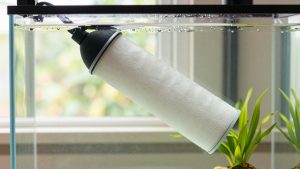
These $16 cut-to-size polishing sheets turn cloudy water crystal clear by trapping the fine particles stock foam misses. Adding a fine-polish layer after your coarse sponge is the single most visible upgrade you can make to any filter.
XpertMatic 3-Stage 475 GPH Canister Filter
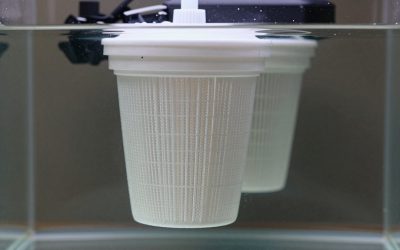
For about $23 this canister handles tanks up to 120 gallons with genuine three-stage filtration, making it the ideal platform for DIY media customization. Its open baskets let you layer exactly the mechanical, biological, and chemical media your tank needs.
LiquaGen 5-Stage RO/DI Aquarium Water Filter
At $160 this reverse osmosis and deionization system produces near-zero TDS water, eliminating the phosphate and nitrate that fuel algae. It is the upstream modification that makes every downstream filter’s job easier, especially for reef and planted tanks.
AquaClear Intake Stem Replacement Part
This $10 part seems minor, but a longer or better-fitted intake stem lets you position flow precisely and add a pre-filter sponge to protect fry and shrimp. Small plumbing tweaks like this often unlock better circulation than a new pump.
LiquaGen 7-Stage High-Capacity RO/DI System
For serious water-quality control at around $230, this heavy-duty seven-stage unit supplies large or multiple tanks with pristine source water. If you run several aquariums, the higher output pays back the cost in convenience and consistency.
Frequently Asked Questions
Will adding more media hurt my filter?
Only if you overpack it and choke flow. Add media gradually and watch that your outflow stays strong; reduce density if it weakens noticeably.
Do I really need RO/DI water?
Planted and reef tanks benefit most, since tap-water nutrients drive algae. Hardy freshwater community tanks often do fine with dechlorinated tap water.
What is the best DIY layer order?
Coarse sponge first to catch large debris, then fine polishing pad, then biological ceramic media, and chemical media such as carbon last.
Are these modifications reversible?
Yes. Every tweak here, from media swaps to intake stems, can be undone by reinstalling the original parts, so there is no risk in experimenting.
Final Thoughts
You do not need a new filter to get dramatically better water, you need a smarter one. Add a fine polishing sheet for clarity, pack in real biological media for stability, and if algae plagues you, fix the problem at the tap with an RO/DI unit. These low-cost DIY modifications turn an ordinary filter into the backbone of a consistently clear, healthy aquarium.
Best Rotary Drum Filter for Large Aquariums: Expert Picks
Canister Filter vs HOB Filter: Media, Noise and Real Cost