Last Updated: October 21, 2026
Goldfish are messy, big-bodied fish that spend much of their day rooting around the bottom of the tank, which makes substrate choice more consequential than most beginners expect. The wrong gravel can trap waste, harbor harmful bacteria, or worse, get swallowed and lodge in a goldfish’s mouth or gut. The right substrate keeps the tank clean, safe, and easy to maintain.
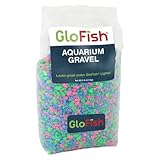
This roundup compares the best substrate options for goldfish tanks in 2026, from smooth sands to large-grain gravels, weighing safety, cleaning, and looks. We reference real choices like the Aqua Natural Sugar White Sand and the GloFish aquarium gravel so you can pick with confidence rather than guesswork.
As an Amazon Associate we earn from qualifying purchases at no extra cost to you.




⚡ Save on Your Next PC — Amazon Prime
Prime members get fast free shipping on the systems above, plus early access to Prime Day & Black Friday PC deals. New members get a 30-day free trial.
Watch: Choosing the Right Aquarium Substrate for Goldfish Tanks — Video Review
How to Choose
- Avoid the choking zone: Skip small pea-sized gravel a goldfish can fit in its mouth; use either fine sand it cannot lodge on, or gravel too large to swallow.
- Prioritize easy cleaning: Goldfish produce heavy waste, so choose a substrate you can gravel-vacuum thoroughly every week.
- Check for inert material: Goldfish tanks should stay pH-stable, so pick chemically inert sand or gravel rather than crushed coral that raises hardness.
- Consider depth: Keep substrate shallow, around 1 inch, to prevent anaerobic dead zones that build up under deep gravel beds.
- Match your filtration: Fine sand pairs best with strong filtration since it does not host as much biological media as coarse gravel or dedicated stratum.
The Best Picks Reviewed
Aqua Natural Sugar White Sand, 10 lb
Fine white sand is the safest bottom for goldfish because the grains are too small to cause impaction, and it lets waste sit on top where a vacuum lifts it easily. At about $13 for 10 pounds it covers a mid-size tank, though the bright white does show detritus, which is arguably a maintenance advantage.
Aqua Natural Diamond Black Gravel, 10 lb
For owners who prefer gravel, this inert black gravel makes goldfish colors pop and hides less waste than white substrates while still vacuuming cleanly. Confirm the grain size is large enough that your particular goldfish cannot mouth it.
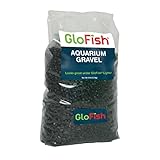
GloFish Aquarium Gravel, Solid Black, 5 lb
A budget-friendly coated gravel that is inert and consistent in size, ideal for a smaller goldfish setup or as an accent layer. The uniform grains resist trapping food, and for under $9 it is an easy way to test a color scheme.
Aqua Natural Gold Pearl Gravel, 10 lb
This warm-toned gravel gives a classic aquarium look and, at a larger grain size, sits safely below the swallowing threshold for adult goldfish. It is dense enough to anchor decorations without floating loose.
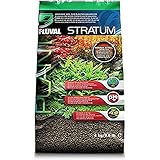
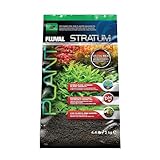
Fluval Plant and Shrimp Stratum, 8.8 lb
If you plan a planted goldfish tank, this nutrient stratum supports root growth, though goldfish will uproot delicate plants, so pair it with hardy species. It is softer than gravel, so cap it or accept more frequent gentle cleaning.
Frequently Asked Questions
Is sand or gravel better for goldfish?
Sand is the safest because goldfish cannot swallow it, and waste stays on the surface for easy removal. Large-grain gravel is fine too, as long as the pieces are too big to fit in the fish’s mouth.
Can goldfish choke on gravel?
Yes, and it is a real risk with small or medium gravel. Goldfish forage by mouthing the substrate, so use fine sand or gravel clearly larger than their mouth.
How deep should goldfish substrate be?
Keep it shallow, roughly one inch. Deep beds trap waste and can develop pockets of harmful gas, and goldfish do not need deep rooting substrate.
How often should I clean goldfish substrate?
Weekly. Goldfish are heavy waste producers, so a gravel vacuum during each water change is essential to prevent ammonia spikes.
Final Thoughts
For most goldfish keepers, fine inert sand like Aqua Natural Sugar White is the safest, easiest-to-clean choice, with large-grain inert gravel as a close second for those who prefer the look. Keep the layer shallow, vacuum weekly, and avoid anything swallow-sized, and your goldfish will forage happily on a bottom that stays clean and healthy.
Common Planted Tank Mistakes and How to Avoid Them
Best Substrate for Shrimp Breeding Tank: Careful Buyer Guide