Last Updated: October 21, 2026
- Why a Cheap Aquarium Filter Can Still Be a Great Filter
- Best Cheap Aquarium Filters Under $20: Quick Comparison
- Sponge Filters: The Cheapest and Gentlest Option
- Budget Hang-on-Back (HOB) Filters Under $20
- Internal Filters for Small and Nano Tanks
- Mechanical vs. Biological Filtration and Filter Media Cost
- When Cheap Is Fine and When to Upgrade
- Frequently Asked Questions
- Related Articles
Setting up or maintaining an aquarium on a budget doesn’t mean sacrificing water quality. In fact, some of the most reliable filtration on the market costs less than a takeout lunch. Whether you’re cycling your first betta bowl, running a shrimp colony, or adding backup filtration to a quarantine tank, there are genuinely effective options that keep your water clear and your fish healthy without draining your wallet. This guide rounds up the best budget filters you can actually trust in 2026, focusing on sponge filters, hang-on-back (HOB) units, and compact internal filters for small and nano tanks.
As an Amazon Associate we earn from qualifying purchases. Prices and availability are accurate as of the date/time indicated and are subject to change.
As an Amazon Associate we earn from qualifying purchases at no extra cost to you.





Prime
Best Seller
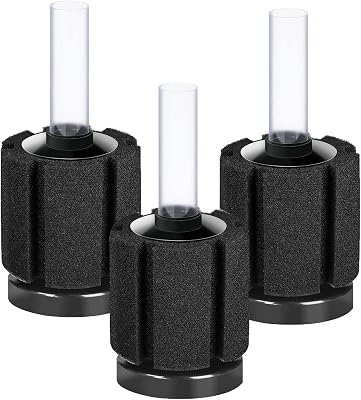
AQUANEAT 3 Pack Aquarium Bio Sponge Filter Breeding Fry Betta Shrimp Nano Fish Tank (Small up to 10Gal)

Prime
Editor's Pick
AQUANEAT Aquarium Bio Sponge Filter Breeding Fry Betta Shrimp Nano Fish Tank (M Large up to 50Gal)

Prime
Limited Time
AQUANEAT Aquarium Bio Corner Sponge Filter, for Breeding Shrimp Nano Fish Tank, up to 10Gal
Prime
Top Rated
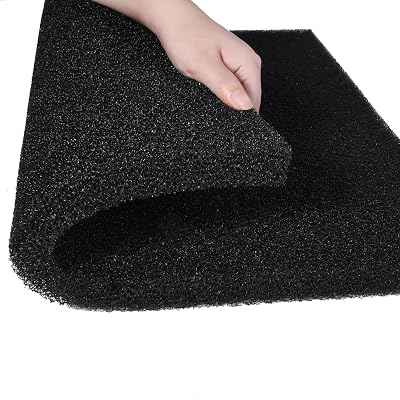
ALEGI Aquarium Sponge Filter Pad, Bio Filter Media Foam Sponges, Cut-to-Size Foam for Fish Tank (20"x20"x1" (20PPI))

Prime
AQUANEAT Aquarium Bio Sponge Filter Breeding Fry Betta Shrimp Nano Fish Tank (Large up to 60Gal)
🛒 Best Price Today on Amazon
Prime members get fast, free shipping on everything above, plus member-only deals. New members get a 30-day free trial — cancel anytime.
Why a Cheap Aquarium Filter Can Still Be a Great Filter
There’s a common myth in the hobby that spending more automatically buys you better filtration. The reality is more nuanced. A filter’s job is simple: move water through mechanical media (to trap debris) and biological media (to host the beneficial bacteria that convert toxic ammonia and nitrite into far less harmful nitrate). A well-designed cheap aquarium filter accomplishes both jobs just as well as a premium canister costing five times as much, particularly on smaller tanks. What you pay extra for at the high end is flow rate, capacity, quieter motors, and convenience features like self-priming and modular media trays. For tanks under about 30 gallons, most of those extras are optional luxuries, not requirements.
The key is matching the filter type to your tank size and livestock. A 5-gallon nano tank with a betta has completely different needs than a 20-gallon community tank. Below we break down the three budget-friendly categories that deliver the most value, then help you decide when spending under $20 is perfectly fine and when it’s worth saving up for an upgrade. If you’re still deciding on tank size, our beginner aquarium setup guide walks through the trade-offs in detail.
Best Cheap Aquarium Filters Under $20: Quick Comparison
| Filter | Best for | Type | Tank size | Rating |
|---|---|---|---|---|
| Aquarium Co-Op Easy Sponge Filter (Best Overall) | Shrimp, fry, bettas, quarantine | Sponge (air-driven) | Up to 20 gal | ★★★★★ 4.9 |
| AQUANEAT Bio Sponge Filter | Ultra-budget multi-tank fishkeepers | Sponge (air-driven) | Up to 15 gal | ★★★★☆ 4.6 |
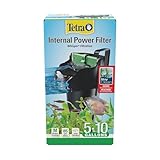
| Tetra Whisper IQ HOB (small) | Community nano tanks needing clarity | Hang-on-back | 5–10 gal | ★★★★☆ 4.5 |
| AquaClear 20 (Fluval) HOB | Customizable media, quiet flow | Hang-on-back | 5–20 gal | ★★★★★ 4.8 |
| hygger Mini Internal Filter | Betta bowls and desktop nano tanks | Internal (submersible) | 1–8 gal | ★★★★☆ 4.4 |
Sponge Filters: The Cheapest and Gentlest Option
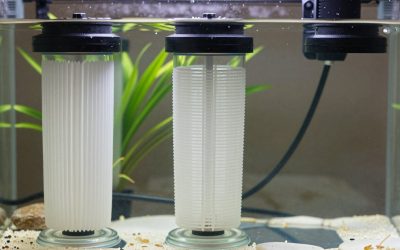
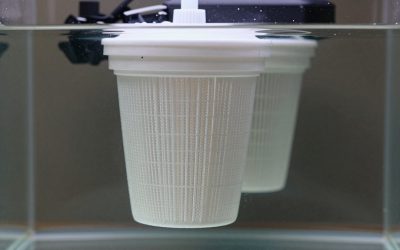
If value is your top priority, nothing beats a sponge filter. Costing anywhere from $5 to $15, a sponge filter is essentially a porous foam block attached to an uplift tube. Air bubbles from an air pump rise through the tube, pulling water through the sponge as they go. That sponge does double duty as mechanical filtration (trapping debris) and biological filtration (housing bacteria across its huge surface area). Over weeks of use, the foam becomes a thriving bacterial colony that keeps your cycle stable.
Why Sponge Filters Excel
The gentle, current-free flow makes sponge filters the number one choice for shrimp tanks, betta tanks, and fry-rearing setups where a strong intake could injure or exhaust delicate creatures. There’s no risk of a baby fish or shrimp being sucked into an impeller because there is no impeller. They’re also nearly silent aside from the faint hiss of bubbles, and cleaning is as simple as squeezing the sponge in old tank water once a month. Because there are no proprietary cartridges to replace, the long-term filter media cost is essentially zero, which is why so many experienced hobbyists run them across dozens of tanks.
The One Catch: You Need an Air Pump
Sponge filters do not include a motor. They require a separate air pump (usually $8–$15) and a length of airline tubing to function. Factor that into your budget, though a single air pump can often drive two or three sponge filters at once through a gang valve, spreading the cost across multiple tanks. Once you have that air pump, adding another sponge-filtered tank costs almost nothing. For a deeper look at circulation and oxygenation, see our aquarium air pump and aeration guide.
Budget Hang-on-Back (HOB) Filters Under $20
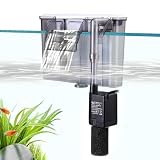
Hang-on-back filters are the workhorses most beginners picture when they think “aquarium filter.” They clip onto the back rim of the tank, draw water up through an intake tube, pass it through media chambers, and cascade it back in—which also helps oxygenate the surface. On tanks up to 20 gallons, you can find genuinely capable HOB units right at or under the $20 mark.
The Tetra Whisper IQ and the AquaClear 20 are standout budget picks. The AquaClear in particular punches well above its price because it uses a refillable media basket rather than disposable cartridges, meaning you buy cheap bulk foam, carbon, and bio-media instead of pricey branded refills. That single design choice dramatically lowers your ongoing filter media cost and gives you full control over your mechanical-versus-biological balance. HOB filters provide stronger flow than sponge filters, so they clear cloudy water faster and suit community tanks with active swimmers. Just be mindful that the current can be too brisk for bettas or shrimp unless you baffle the outflow with a piece of sponge. Compare these picks against larger setups in our best filters for 20-gallon tanks roundup.
Internal Filters for Small and Nano Tanks
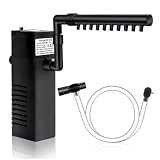
For tanks in the 1-to-10-gallon range—betta cubes, shrimp bowls, desktop planted nanos—a compact internal filter is often the neatest solution. These fully submersible units sit inside the tank, use a small powered impeller, and combine sponge and sometimes bio-media in a tiny footprint. Models like the hygger Mini run well under $20 and typically feature an adjustable flow knob, which is crucial in a small tank where you don’t want to create a whirlpool.
Internal filters are self-contained (no air pump required, no bulky box hanging off the back) and are ideal when your tank has a tight-fitting lid or sits somewhere the HOB overhang would look awkward. The trade-off is that they take up a bit of visible space inside the aquarium and have less media capacity than a HOB. For a nano tank with light stocking, though, that capacity is more than enough.
Mechanical vs. Biological Filtration and Filter Media Cost
Whichever type you choose, understand the two jobs your filter performs. Mechanical filtration physically strains out visible gunk—fish waste, uneaten food, plant debris—keeping water visually clear. Biological filtration is the invisible but far more important process where nitrifying bacteria colonize your media and detoxify ammonia. A cheap filter that provides ample surface area for bacteria (which sponge and refillable-basket HOB filters do brilliantly) will keep your fish safer than an expensive one you cripple by replacing all the media at once and wiping out the colony.
This is where filter media cost quietly separates good budget choices from bad ones. Filters that lock you into single-use branded cartridges look cheap up front but cost you every month and tempt you into throwing away your bacteria. Filters that accept generic bulk foam and ceramic bio-rings cost pennies to maintain for years. When comparing two similarly priced units, always choose the one with a refillable media chamber. Our nitrogen cycle explained article covers exactly how to preserve that bacterial colony during cleanings.
When Cheap Is Fine and When to Upgrade
A budget filter under $20 is completely fine for tanks up to roughly 20–30 gallons, lightly-to-moderately stocked community setups, shrimp and betta tanks, quarantine and hospital tanks, and fry grow-out. In these scenarios a good sponge or HOB filter matches the performance of anything pricier.
You should consider upgrading when you move to larger tanks (40 gallons and up), keep messy heavy-waste fish like goldfish, cichlids, or plecos, or run a densely stocked display where you want maximum water polish and crystal clarity. At that point a canister filter or a larger HOB with greater turnover and media volume earns its higher price. The good news: even after you upgrade, that cheap sponge filter never goes to waste—it becomes your instant-cycle quarantine filter or backup, making it one of the smartest sub-$20 purchases in the entire hobby.
Frequently Asked Questions
Are cheap aquarium filters good?
Yes—for the right tank. A cheap aquarium filter under $20 provides the same mechanical and biological filtration as expensive models on tanks up to about 20–30 gallons. What extra money buys is higher flow rate, larger media capacity, and convenience features, which matter mainly on big or heavily stocked tanks. For nano tanks, bettas, shrimp, and quarantine setups, a well-chosen budget filter performs just as well as a premium one.
Is a sponge filter enough on its own?
For most small and lightly stocked tanks, yes. A sponge filter handles both mechanical and biological filtration and provides enormous bacterial surface area, which is the most important factor in keeping water safe. It’s the go-to choice for shrimp, fry, and betta tanks. For larger or messier tanks, you may want to pair it with a HOB filter or step up to something with more flow and capacity.
What’s the best budget filter for a small tank?
For tanks under 10 gallons, a sponge filter (gentlest, cheapest to maintain) or a compact adjustable-flow internal filter like the hygger Mini are the top picks. If you want a bit more flow and easy access to media, a small refillable HOB such as the AquaClair 20 is excellent value because it avoids pricey disposable cartridges.
Do cheap filters need an air pump?
It depends on the type. Sponge filters require a separate air pump and airline tubing to run, so budget an extra $8–$15 for that. Hang-on-back and internal filters have their own built-in motors and do not need an air pump. Many hobbyists still add an air pump for extra oxygenation, but with HOB and internal filters it’s optional rather than required.
Best Budget Canister Filter With UV Lamp: 3 Smart Picks
Best Filter for 10 Gallon Tank Setups: Sized by Turnover