Last Updated: October 21, 2026
🛒 Best Price Today on Amazon
Prime members get fast, free shipping on everything above, plus member-only deals. New members get a 30-day free trial — cancel anytime.
Top Choose Aquarium Filter Complete Picks for 2026
Here are our current top choose aquarium filter complete picks, compared on real Amazon owner reviews, price, and features. Live prices update below.
As an Amazon Associate we earn from qualifying purchases at no extra cost to you.

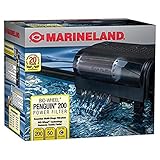

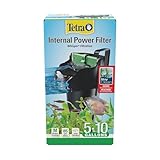
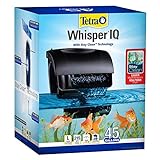

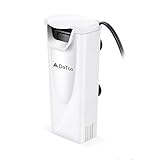




Prime
Top Rated
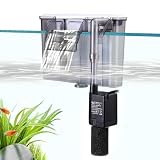
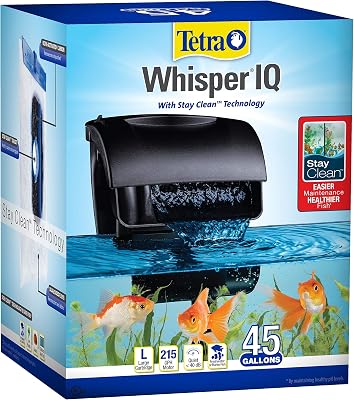
NICREW Slim Aquarium Filter, Quiet Fish Tank HOB Filters for up to 5 Gallon Aquariums, Adjustable Flow, 42 GPH, 3W
How to Choose an Aquarium Filter: Complete Buying Guide (2026)
The heart of a healthy aquarium isn’t just the vibrant fish or the lush plants; it’s the unseen workhorse that keeps the water pristine and life-sustaining: the aquarium filter. A well-chosen filter is arguably the most critical piece of equipment for any aquarist, regardless of experience level. It’s responsible for removing waste, toxins, and debris, ensuring that your aquatic inhabitants have a clean and stable environment to thrive in. Neglecting this vital component can lead to a cascade of problems, from cloudy water and stressed fish to serious health issues and even fatalities. Understanding the different types of filters, their functionalities, and what to look for will empower you to make an informed decision that benefits both your aquarium’s ecosystem and your own enjoyment.
This comprehensive guide is designed to demystify the world of aquarium filters and equip you with the knowledge needed to select the perfect filtration system for your specific needs. We’ll delve into the various types of filters available, breaking down their advantages and disadvantages. You’ll learn about the essential features to consider when making your purchase, understand the typical price ranges and what they offer, and discover common pitfalls to avoid. By the end of this guide, you’ll be confident in your ability to choose a filter that will contribute to a beautiful, balanced, and thriving aquatic environment for years to come.
Types of Aquarium Filter
Aquarium filters are broadly categorized by their primary method of water movement and filtration. Understanding these core types is the first step in narrowing down your options. Each type has its strengths and is suited to different aquarium sizes, stocking levels, and aquarist preferences.
Hang-On-Back (HOB) Filters
These are perhaps the most common and versatile filters, ideal for beginners and experienced hobbyists alike. They hang on the back rim of the aquarium, drawing water up through an intake tube, passing it through filter media within the unit, and then returning it to the tank. HOB filters offer excellent mechanical, chemical, and biological filtration in a compact and easy-to-maintain package. They are suitable for a wide range of freshwater and saltwater aquariums, from small nano tanks to larger setups, and are generally very user-friendly.
Internal Filters
As the name suggests, internal filters are placed directly inside the aquarium. They are typically submersible and can be attached to the glass with suction cups. Internal filters are a great option for smaller tanks, breeding setups, or as supplementary filtration for larger aquariums. They are often more budget-friendly and can be very quiet, but they do take up space within the tank and may require more frequent cleaning to prevent them from becoming unsightly. Their filtration capacity is generally less than that of HOB or canister filters for the same price point.
Canister Filters
Canister filters are the powerhouse of aquarium filtration, typically used for larger freshwater and saltwater aquariums, especially those with high stocking levels or demanding inhabitants. They consist of a sealed container (the canister) that holds a large volume of filter media, connected to the aquarium via hoses for intake and output. Water is pumped from the tank into the canister, thoroughly filtered, and then returned. Canister filters offer superior filtration capacity, allowing for extensive biological colonization and the use of various specialized media. They are highly efficient and require less frequent maintenance than other types, but they are also more expensive and can be more complex to set up and clean.
Sponge Filters
Sponge filters are simple, highly effective, and incredibly cost-efficient filters. They consist of a porous sponge attached to an airlift tube or connected to a powerhead. Air bubbles rising through the tube draw water through the sponge, providing excellent mechanical and biological filtration. Sponge filters are ideal for fry tanks, quarantine tanks, shrimp tanks, and as a gentle, supplemental filter in any aquarium. They are incredibly safe for small fish and invertebrates and are very easy to clean. Their primary limitation is their capacity for mechanical filtration; they don’t typically house large amounts of chemical or advanced biological media.
Undergravel Filters (UGF)
Undergravel filters work by drawing water down through the substrate layer of the aquarium, where beneficial bacteria colonize the gravel and perform biological filtration. The filtered water is then pushed up through lift tubes. UGFs are very effective at biological filtration and provide a large surface area for bacteria. However, they can be challenging to clean thoroughly, as detritus can accumulate beneath the plates, leading to anaerobic pockets and potential water quality issues. They are less common in modern aquariums but still have their place, particularly in setups where a naturalistic substrate is desired and maintenance is carefully managed.
Sumps
Sumps are elaborate filtration systems typically found in large saltwater or advanced freshwater setups. A sump is a separate tank, usually placed below the main aquarium, that houses various filtration components like protein skimmers, refugiums, heaters, and large volumes of filter media. Water overflows from the main tank into the sump, undergoes extensive filtration, and is then pumped back into the display tank. Sumps offer unparalleled customization and filtration capacity but are complex, expensive, and require significant space and technical knowledge to implement and maintain.
Key Features to Look For
Beyond the basic filter type, several key features will influence your choice and the filter’s effectiveness. Consider these criteria carefully to ensure you select a model that meets your aquarium’s demands.
Flow Rate (GPH – Gallons Per Hour)
This indicates how much water the filter can process per hour. A general rule of thumb is to choose a filter with a flow rate that is at least 4-6 times the volume of your aquarium. For example, a 50-gallon tank would benefit from a filter rated for 200-300 GPH or higher. Over-filtering is generally better than under-filtering.
Filtration Capacity (Media Volume)
The amount and type of filter media a filter can hold directly impact its effectiveness. More media generally means better mechanical, biological, and chemical filtration. Look for filters that offer ample space for biological media (like ceramic rings or bio-balls) to support a robust colony of beneficial bacteria.
Adjustable Flow Control
The ability to adjust the filter’s output is crucial. Some fish species prefer low-flow environments, while others can tolerate or even benefit from stronger currents. Adjustable flow prevents stress on delicate inhabitants and allows you to fine-tune the water movement in your tank.
Ease of Maintenance
A filter that is difficult to clean will often be neglected, leading to poor performance. Look for designs that allow for easy access to filter media, simple impeller cleaning, and straightforward disassembly. Cartridge-based filters, while convenient for some, can be less cost-effective and offer less biological filtration capacity compared to those using loose media.
Noise Level
Aquarium filters can vary significantly in their noise output. If your aquarium is in a living area or bedroom, a quiet filter is essential. Internal filters and some HOB filters are generally quieter than older or less well-built canister filters. Reading reviews can provide valuable insight into a filter’s operational noise.
Durability and Build Quality
Investing in a filter made from high-quality materials will ensure longevity and reliability. Look for robust plastics, well-sealed components (especially for canister filters), and reputable brands known for their craftsmanship. A filter failure can be catastrophic for an aquarium.
Versatility and Expandability
Consider if the filter allows for customization or the addition of different types of media. Some filters have modular designs or extra compartments that let you tailor the filtration to your specific needs, such as adding a media basket for activated carbon or phosphate removers.
How Much Should You Spend?
The cost of aquarium filters can range from under $20 to several hundred dollars. Your budget will largely dictate the type and capabilities of the filter you can afford. It’s important to understand what you get at each price point.
Budget (Under $50)
In this price range, you’ll typically find smaller internal filters, basic sponge filters, and entry-level hang-on-back filters. These are suitable for smaller aquariums (under 20-30 gallons) with low to moderate stocking levels. They provide fundamental mechanical and biological filtration but may have limited media capacity, less robust construction, and fewer advanced features like adjustable flow. While they can be effective for basic needs, they may require more frequent maintenance and replacement.
Mid-Range ($50
This is where you’ll find a wide array of reliable hang-on-back filters with good media capacity, quieter operation, and adjustable flow. You’ll also find entry-level to mid-sized canister filters that offer significantly more filtration power and media volume, making them suitable for larger tanks (up to 75 gallons or more) and higher stocking densities. Internal filters in this range will be larger and more powerful, offering better filtration for medium-sized tanks. Durability and ease of maintenance are generally improved in this tier.
Premium
This price bracket encompasses larger, high-capacity canister filters, advanced HOB models with specialized features, and the components needed for more complex setups like sumps. You can expect superior build quality, exceptional durability, very quiet operation, extensive media capacity for robust biological and mechanical filtration, and often innovative features. These filters are ideal for large aquariums (100+ gallons), heavily stocked tanks, or aquarists who demand the highest water quality and are willing to invest in long-term performance and reliability.
Common Mistakes to Avoid
Even with the best intentions, aquarists can make mistakes when choosing and setting up filters. Being aware of these common pitfalls can save you a lot of trouble down the line.
- Undersizing the Filter: Choosing a filter that is too small for your tank’s volume or stocking level is the most common error. This leads to poor water quality, increased stress on fish, and a higher risk of disease. Always err on the side of over-filtration.
- Over-cleaning Biological Media: Beneficial bacteria live on your biological filter media. Cleaning this media with tap water (which contains chlorine) or scrubbing it too vigorously will kill these essential bacteria, causing your tank’s nitrogen cycle to crash and leading to ammonia poisoning. Rinse biological media only in used tank water during a water change.
- Neglecting Chemical Filtration When Needed: While biological and mechanical filtration are always important, chemical filtration (like activated carbon) is essential for removing medications after a treatment, tannins from driftwood, or other dissolved organic compounds. Failing to use or replace chemical media when appropriate can leave your water discolored or contaminated.
- Ignoring Manufacturer Recommendations: Each filter is designed for specific tank sizes and flow rates. Deviating significantly from these recommendations, either by using a filter that’s too small or too large for the intended purpose, can lead to suboptimal performance or even damage.
- Purchasing Based Solely on Price: While budget is a factor, the cheapest filter is rarely the best long-term solution. A low-cost filter might fail prematurely, require constant replacement of expensive cartridges, or simply not provide adequate filtration, leading to more costly problems later on.
Frequently Asked Questions
Q: How often should I clean my aquarium filter?
The frequency of filter cleaning depends on the type of filter and the bioload of your aquarium. Generally, mechanical media (sponges, filter floss) should be rinsed every 2-4 weeks in used tank water to remove debris. Biological media should only be rinsed very gently in tank water when it becomes visibly clogged, perhaps every 2-6 months, to preserve beneficial bacteria. Chemical media, like activated carbon, needs to be replaced monthly as it becomes exhausted. Canister filters typically require less frequent full cleanings (every 3-6 months) compared to HOB or internal filters.
Q: Can I use tap water to clean my filter media?
No, you should never clean your filter media, especially biological media, with untreated tap water. Tap water contains chlorine and chloramines, which are highly toxic to the beneficial bacteria that make up your aquarium’s nitrogen cycle. Always use dechlorinated water or, ideally, used tank water from a recent water change to rinse filter media.
Q: What is the difference between mechanical, biological, and chemical filtration?
Mechanical filtration physically removes solid particles from the water, such as fish waste, uneaten food, and plant debris. This is usually done with sponges, filter floss, or pads. Biological filtration relies on beneficial bacteria that colonize filter media to break down toxic ammonia and nitrite into less harmful nitrate. Chemical filtration uses media like activated carbon or specialized resins to remove dissolved organic compounds, medications, odors, and discoloration from the water.
Q: My new filter is making a lot of noise. Is this normal?
Some initial noise is normal as air may be trapped in the filter. For hang-on-back and canister filters, ensure the intake tube is fully submerged and the impeller is properly seated. For new canister filters, follow the priming instructions carefully. If the noise persists after a day or two, it might indicate an issue with the impeller, motor, or a loose part. Consult the manufacturer’s troubleshooting guide or contact customer support.
Q: Do I need a filter if I have live plants?
Yes, even in a heavily planted aquarium, a filter is still essential. While plants do consume some nitrates and can improve water quality, they cannot fully replace the functions of a filter. A filter provides crucial mechanical filtration to remove debris, and more importantly, it establishes a stable biological filtration system to process ammonia and nitrite, which are toxic to fish and invertebrates. Plants help, but they don’t eliminate the need for a filter.
Final Thoughts
Choosing the right aquarium filter is a foundational step towards creating a thriving and beautiful aquatic environment. By understanding the different types of filters available, carefully considering key features, and being aware of common mistakes, you can make an informed decision that will benefit your aquarium for years to come. Remember that an adequately sized and well-maintained filter is an investment in the health and well-being of your aquatic inhabitants. Happy filtering!
Recommended Aquarium Filter Guides
- Best Stand For 50 Gallon Fish Tank 2026
- Best Big Fish Tank With Stand 2026
- Best Petco Fish Tank With Stand 2026
- Best Large Aquarium Fish Tank With Stand 2026
- Best Fish Tank Cleaner Kit 2026
Aquarium Filter 20 Gallon: Top Picks Compared in 2026
What Size Filter for 40 Gallon Aquarium? Size Guide With Measurements (2026)