Last Updated: November 19, 2026
- What Makes a Great Betta Tank
- Setting Up Your Fluval Betta Tank
- Which Betta Tank Should You Buy?
- Label Gallons Versus Real Water Volume
- Common Mistakes When Buying a Betta Tank
- How the New Picks Compare With the Tanks Already in the Article
- Sizing and Compatibility Checklist
- Setting Up and Caring for the Tank
- Who Should Skip These Tanks
- Common Mistakes to Avoid
- Questions to Ask Before You Order
- Frequently Asked Questions
- Related Articles
- Related Guides
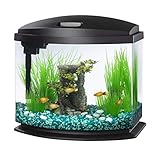
- Top Pick: Fluval SPEC Aquarium Kit, 5-Gallon
- Best Value: Fluval 20L Betta Aquarium Kit
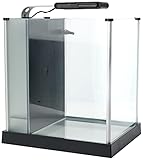
- Premium Choice: Fluval Chi II Series Aquarium Set, 5-Gallon
Bettas are among the most beloved aquarium fish, prized for their flowing fins and bold personalities, and they deserve far better than the tiny cups they are often sold in. Fluval has built a reputation for stylish, well-engineered betta tanks that combine gentle filtration, attractive lighting, and betta-friendly water movement in compact packages that look great on a desk or shelf.
As an Amazon Associate I earn from qualifying purchases.
As an Amazon Associate we earn from qualifying purchases at no extra cost to you.






Prime
Limited Time
AQUANEAT Fish Tank, 1 Gallon Betta Fish Tank, Small Aquarium Kit with LED Light and Water Filter Pump

This 2026 guide to the best Fluval betta tank options walks through the brand’s most popular models and explains what makes a tank truly betta-appropriate: adequate volume, gentle flow, a heater or heater compatibility, and calm hiding spots. We also compare a couple of alternatives so you can choose the right home for a happy, long-lived betta.
| Product | Best For | Standout Feature | Rating |
|---|---|---|---|
| Fluval Spec V (5 gal) | Planted betta displays | Powerful yet baffled filtration | 4.7/5 |
| Fluval Flex 9 (9 gal) | Roomy single-betta homes | Curved glass and remote LED | 4.7/5 |
| Fluval Chi II (5 gal) | Zen desktop aesthetics | Gentle trickle waterfall flow | 4.3/5 |
| Fluval Spec III (2.6 gal) | Compact nano betta setups | Etched glass with hidden filter | 4.4/5 |
| Fluval Evo 13.5 (comparison) | Upgraders wanting more space | All-in-one with strong lighting | 4.6/5 |
🛒 Best Price Today on Amazon
Prime members get fast, free shipping on everything above, plus member-only deals. New members get a 30-day free trial — cancel anytime.
What Makes a Great Betta Tank
The single biggest myth in the hobby is that bettas thrive in tiny bowls. In reality, a betta needs at least a few gallons of heated, filtered water to stay healthy and display its full personality. Volume buys stability: more water resists the ammonia spikes and temperature swings that stress fish. Our betta tank size guide explains why five gallons is the widely recommended minimum for a thriving betta.
Flow is the other critical factor. Bettas are labyrinth fish with long fins that struggle against strong currents, so a good betta tank either includes an adjustable, baffled filter or lets you soften the outflow. Temperature matters too, since bettas are tropical and need stable warmth around 78 to 80 degrees Fahrenheit, meaning a heater is essential. Fluval tanks generally accommodate compact heaters well, and our nano heater guide helps you pick one sized correctly for small volumes.
Fluval Spec V (5 Gallon)
The Fluval Spec V is our top overall betta tank, offering a genuinely spacious five gallons in a sleek etched-glass design with a hidden three-stage filter and a bright, adjustable LED. The included filter is capable, and while its default flow is a touch strong for bettas, it is easily baffled with filter foam. Pros: excellent volume and filtration, premium looks, great for a planted betta scape. Cons: needs a flow baffle and a separately purchased heater. It is a superb canvas for the plants in our easy betta plants list.
Fluval Flex 9 (9 Gallon)
For keepers who want to give their betta room to roam, the Fluval Flex 9 delivers nearly nine gallons behind eye-catching curved front glass, paired with a remote-controlled color LED and concealed filtration. The larger volume is exceptionally stable and forgiving. Pros: generous space, beautiful design, customizable lighting, hidden equipment. Cons: larger footprint and higher price, and like most Fluvals it benefits from an added heater. Its stability makes cycling straightforward using our fishless cycling guide.
Fluval Chi II (5 Gallon)
The Fluval Chi II stands apart with its zen-inspired cube design and a gentle trickle waterfall that both aerates and creates a calming aesthetic perfect for a minimalist desk. Pros: soothing gentle flow that suits bettas well, unique modern look, quiet operation. Cons: the open-top design allows more evaporation and its filtration is lighter, so lighter stocking is wise. Keep it a betta-only tank and follow our minimal stocking guide to match its gentle filtration.
Fluval Spec III (2.6 Gallon)
Where space is truly limited, the Fluval Spec III packs Fluval’s signature style into a compact 2.6-gallon footprint with an etched glass panel hiding the filter. While smaller than the ideal five gallons, it is far better than a bowl and works for a single betta with diligent maintenance. Pros: attractive compact design, hidden filtration, good LED. Cons: small volume demands more frequent water changes and precise heating. Commit to the tighter schedule in our nano maintenance routine if you choose this size.
Fluval Evo 13.5 (Comparison Upgrade)
For those ready to give a betta a truly luxurious home or plan a peaceful community around one, the Fluval Evo 13.5 is a superb all-in-one. Its strong lighting supports live plants and its ample volume is rock-solid stable. Pros: excellent space and lighting, room for tankmates, premium build. Cons: larger and pricier than dedicated betta nanos, and flow should still be softened. It opens the door to the peaceful companions in our betta tankmate guide.
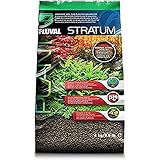
Fluval Spec V Replacement Media and Accessories
Keeping any Fluval betta tank running well means maintaining its filtration. Genuine Fluval foam and biomax media keep the Spec and Flex filters performing, and adding extra sponge softens flow while boosting biological capacity. Pros: precise-fit media, easy maintenance, flow-taming options. Cons: proprietary media adds recurring cost, so supplementing with generic sponge is a smart economy. Never replace all media at once to protect your beneficial bacteria.
Setting Up Your Fluval Betta Tank
To give your betta the best start, cycle the tank before adding your fish, install a properly sized heater, and baffle the filter outflow so the surface stays calm. Add soft silk or live plants and a cave or leaf hammock near the surface, since bettas love resting spots close to the air they gulp. Feed a quality betta pellet in small amounts and perform regular partial water changes. With a well-chosen Fluval tank and these habits, your betta will reward you with vibrant color and curious, interactive behavior. Our complete betta care checklist ties every step together.
Which Betta Tank Should You Buy?
| If you… | Choose… |
|---|---|
| Want the most room and flexibility for plants and decor | Fluval Flex 9 (9 Gallon) |
| Want a standard desk-friendly size at the commonly cited minimum | Fluval Spec V (5 Gallon) or Fluval Chi II (5 Gallon) |
| Have very limited space and will keep up with frequent water changes | Fluval Spec III (2.6 Gallon) |
| Are planning to add tankmates or a bigger aquascape later | Fluval Evo 13.5 (Comparison Upgrade) |
| Want app control and a built-in feeder in a 5 gallon format | VIVOHOME 5 Gallon Smart Fish Tank |
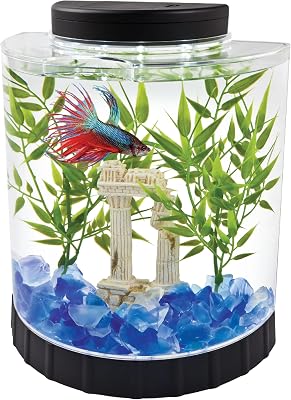
| Need a compact kit with built-in lighting and a pump | VIVOHOME 2 Gallon Smart Fish Tank, AQUANEAT 1 Gallon Betta Fish Tank or Tetra LED Half Moon Aquarium Kit |
Tanks of 1 to 2.6 gallons work only with strict maintenance. Many keepers consider 5 gallons a practical minimum for a betta because larger volumes dilute waste and hold temperature more steadily.
Label Gallons Versus Real Water Volume
The listed capacity is not always the amount of water you will actually keep. One kit in this roundup is titled as a 5 gallon tank yet states a 3-gallon capacity in the same listing. Substrate, rocks, plants and the air gap under the lid all take up room, so the real volume of any tank is lower than its label. Smaller volumes also mean waste concentrates faster, which leaves less margin for mistakes. A 25 percent weekly change is a common starting routine:
| Tank Size | Approximate Water Replaced Weekly (25%) |
|---|---|
| 1 gallon | About 1 quart |
| 2 gallons | About 2 quarts |
| 2.6 gallons | About 2.6 quarts |
| 5 gallons | About 1.25 gallons |
| 9 gallons | About 2.25 gallons |
Common Mistakes When Buying a Betta Tank
- Buying by the label alone. Check the real water capacity and what is included.
- Skipping a heater. Bettas are tropical fish, and most keepers aim for roughly 76 to 82 degrees Fahrenheit. Confirm whether a heater is included, because it is easy to overlook.
- Ignoring filter flow. Long fins struggle in strong current, so look for an adjustable outlet or a way to baffle the flow.
- Sealing the lid completely. Bettas breathe air from the surface through a labyrinth organ and also jump. Leave a gap for air but keep the lid secure.
- Overfeeding with an auto feeder. Set small portions, because uneaten food fouls a small volume quickly.
- Adding the fish before cycling. A new tank needs time for beneficial bacteria to establish, and a fishless cycle often takes several weeks.
- Using sharp decor. Rough plastic plants can tear delicate fins, so choose silk plants or smooth ornaments.
How the New Picks Compare With the Tanks Already in the Article
The article already covers the most popular Fluval betta tanks, from the compact Spec V to the roomy Flex 9. The three extra picks below fill the gaps at the ends of that range: a larger planted display tank, a six gallon style-led cube, and a lower cost five gallon starter. Use the table to see at a glance where each tank gains or loses against the article picks, then read the checklist before ordering, because volume alone does not decide whether a tank suits a betta.
| Tank | Volume | Flow control | Heater fit | Footprint and shape |
|---|---|---|---|---|
| Fluval Spec V, in the article | 5 gallons | Adjustable nozzle, often needs a sponge baffle | Fits in the rear chamber | Long slim rectangle, about 17 inches long |
| Fluval Flex 9, in the article | 9 gallons | Dual outputs, aim away from resting spots | Rear chamber, heater sold separately | Curved front cube, about 14 inches square |
| Fluval Chi II, in the article | 5 gallons | Gentle fountain flow | Limited space, check fit before buying | Open top centrepiece, wide and shallow |
| Fluval Flex 15, new pick | 15 gallons | Dual outputs, aim at the glass to soften flow | Rear chamber, heater sold separately | Curved front cube, about 16 inches square |
| Fluval Edge 6, new pick | 6 gallons | Hidden filter, flow can push long fins | Heater sold separately, small opening complicates fitting | Sealed glass cube, about 17 inches wide |
| Tetra Crescent 5, new pick | 5 gallons | Gentle internal filter, usually fine without a baffle | Heater sold separately, open top helps | Curved front acrylic, about 16.6 inches long |
Two patterns stand out. First, a longer tank gives a betta more usable swimming room than a taller tank of the same volume, so the Spec V and the Tetra Crescent beat taller cubes for side to side movement. Second, almost every kit here ships without a heater, so heater fit matters as much as volume: a tank with a hidden rear chamber keeps the heater out of sight, while an open top tank makes fitting and adjusting one far easier.
Sizing and Compatibility Checklist
Work through this list before you buy, and measure the actual surface the tank will sit on.
- Real water volume is lower than the label. Substrate, rocks, wood and the filter chamber all displace water, so a five gallon kit often holds closer to four gallons of swimming water once it is set up. Treat the label as a starting point, not a promise.
- Heater size follows volume. A 25 watt adjustable heater suits most five gallon tanks, a 50 watt adjustable heater suits a nine gallon tank, and a 15 gallon tank needs a larger adjustable heater chosen to the heater maker tank size rating. A preset heater that cannot be adjusted is a weak choice if your room runs cold in winter.
- Filter flow must be gentle. Bettas come from slow moving water, and long fins act like sails in a strong current. Look for an adjustable output, a directional nozzle you can aim at the wall, or room to fit a small pre-filter sponge over the intake and the outlet.
- Lid and jump safety come first. Bettas jump, often at night, so the lid must close fully with no gap around cords, filter housings and feeding doors. Fill small cord gaps with foam or fine mesh, and keep the water level slightly below the rim on a sealed top tank so the fish can reach air.
- Desk space and weight decide the tank, not the other way round. A gallon of water weighs a little over eight pounds, so a filled 15 gallon tank with glass, substrate and decor can pass 140 pounds. The stand or desk must be level, solid, and rated for that load, with clearance above the tank to lift the lid and reach inside.
- Check access for maintenance. Can you reach the filter media without removing decor, fit a gravel vacuum into the corners, and lift the lid fully with the light in place. A beautiful tank that is hard to clean will be cleaned less often, and water quality will show it.
Setting Up and Caring for the Tank
A good tank still fails if it is stocked too soon. Cycle the tank before the betta arrives: set up the filter, heater and substrate, add a source of ammonia or a bacterial starter, and test the water until ammonia and nitrite read at zero and nitrate is present and stable. That process usually takes several weeks, and rushing it is the most common reason a new betta falls ill in its first month.
Water changes depend on tank size. For a five gallon tank, change about one quarter of the water every week, using dechlorinated water matched to the tank temperature. A nine gallon tank follows the same weekly routine, with a little more room for error if a change slips by a day. A 15 gallon tank is the most forgiving of the three sizes, and a weekly change of about one quarter to one fifth keeps nitrate low and the water clear, while a missed week is less likely to cause a sudden swing. In every size, siphon debris from the substrate during the change and never change all of the water at once.
Filter media needs a gentle routine. Rinse foam and ceramic media in a bucket of old tank water, never under a tap, because untreated tap water can harm the beneficial bacteria living on the media. Replace carbon inserts every few weeks, following the maker guidance, and never replace all of the media in one session. Feed sparingly, remove uneaten food within a few minutes, and keep the light on a steady day and night schedule of roughly eight to ten hours so plants and fish both settle into a rhythm.
Who Should Skip These Tanks
Not every betta keeper needs a larger or fancier tank. Skip the 15 gallon Flex if your desk is small, if you move home often, or if you want the simplest possible first setup, because the footprint, weight and extra equipment add work rather than removing it. Skip the Edge if you enjoy rescaping, planting by hand, or catching fish easily, because the small top opening turns every hands-in job into a fiddly one. Skip the Tetra Crescent if you want glass rather than acrylic, a light strong enough for demanding plants, or a front panel that will stay flawless for years. And skip any tank under five gallons entirely, whatever the label promises, because the water swings faster, the heater rarely fits well, and the fish has no room to swim, rest and hide.
Common Mistakes to Avoid
The same errors appear in almost every unhappy betta story. Adding the fish before the tank has cycled tops the list, followed closely by overfeeding, which fouls small tanks fast. A filter left at full blast will push a long-finned betta around the tank all day, so always start at the lowest flow and watch how the fish swims before turning it up. Leaving the lid off or half open invites a jump, especially in the first nights in a new home. Replacing every piece of filter media at once throws away the bacteria colony that keeps ammonia down, and scrubbing media under a tap does the same damage. Sharp plastic plants and rough rocks tear fins, so run a finger or a soft cloth over every decoration before it goes in. Finally, do not clean the tank with soap or household cleaners, and do not top up evaporated water without treating it, because both mistakes can harm the fish even when the water looks clear.
Questions to Ask Before You Order
- Does the kit include a heater, and if not, where exactly will one fit. A hidden rear chamber is ideal, but check the chamber depth against the heater length before ordering.
- Can the filter flow be slowed or aimed away from open water. If the answer is no, budget for a pre-filter sponge and a baffle on day one.
- Does the lid close fully with the heater and filter cords in place. Gaps around cords are the most common escape route.
- Is the light strong enough for the plants you want, or only for viewing. A basic white LED suits easy plants such as Java fern and Anubias, while demanding carpeting plants need a stronger, plant rated light.
- How will you reach the filter media and the substrate corners for cleaning. If access needs the whole lid and light removed, maintenance will feel like a chore within a month.
- What does the tank weigh when full, and is your stand or desk rated for it. A tank that overhangs the edge or sits on a wobbly table is a risk to the fish, the floor and everyone nearby.
Frequently Asked Questions
What size Fluval tank is best for one betta?
A five-gallon tank like the Fluval Spec V is widely considered the ideal minimum for a single betta, providing stable water chemistry and room to explore. Larger options such as the Flex 9 are even better, while the compact Spec III can work with more frequent maintenance. Bigger volumes are simply more forgiving and healthier for your fish.
Is the filter flow in Fluval betta tanks too strong?
Fluval filters are capable, and their default flow can be a bit brisk for bettas with long, flowing fins. The easy fix is to baffle the outflow with a piece of filter foam or a small pre-filter sponge, which softens the current so your betta can swim comfortably without being pushed around the tank.
Do Fluval betta tanks come with a heater?
Most Fluval betta tanks include filtration and lighting but not a heater, so you will need to add one separately. Bettas are tropical fish requiring stable temperatures around 78 to 80 degrees Fahrenheit, so choose a compact heater sized appropriately for the tank’s small volume to keep your betta warm and healthy year-round.
Can I keep tankmates with a betta in a Fluval tank?
In larger Fluval tanks like the Flex 9 or Evo 13.5, peaceful tankmates such as snails, shrimp, or small schooling fish can work, though betta temperament varies. Smaller tanks are best kept as betta-only homes. Always research compatibility, provide plenty of hiding spots, and monitor closely when introducing any companions to your betta.
Best 75 Gallon Aquarium Kit With a Stand Included: Top Smart

How Many Fish in a 20 Gallon Tank: Long vs High Stocking