Last Updated: October 21, 2026
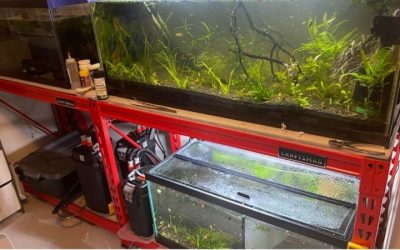
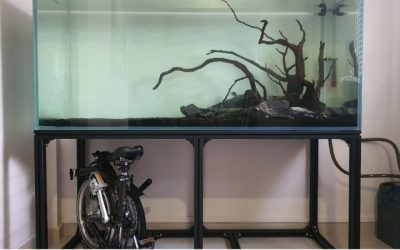
A big workbench number is not the same as an aquarium-safe stand. The best diy alternative to an aquarium rack is the framework you can actually verify for your exact tank, because a kit rated for a heavy workbench still says nothing about the support geometry a filled aquarium truly needs.
As an Amazon Associate we earn from qualifying purchases.
By David Nguyen
How to Choose a DIY Alternative to an Aquarium Rack
A DIY route swaps a bought stand for hardware you assemble, so the checks change. The four criteria below focus them: separate load capacity from aquarium compatibility, build the top to the exact tank footprint, use hardware that reduces joinery guesswork, and budget for the lumber and top these kits leave out.

Separate Load Capacity From Aquarium Compatibility
A published load number answers only half the question. The 2×4 Basics 90158 states about 1,000 pounds per level, but that figure is a workbench rating, and a workbench claim does not by itself prove the right support geometry for an aquarium’s exact glass bottom and welded frame sitting on top of it in real use.
So treat capacity and aquarium suitability as two separate checks. A high shelf rating tells you the frame can hold weight, not that it distributes support the way a filled tank needs, which is why verifying continuous, appropriate support matters more than the headline pounds-per-level number.
Build the Top to the Exact Aquarium Footprint
The value of these kits is sizing freedom, not proof of fitness. The 90158 can be customized up to about 8 by 4 feet, which lets you build a top to your tank’s footprint, but that flexibility is really the selling point rather than any actual evidence of aquarium suitability on its own account.
So use the freedom to match the base precisely, then verify the support. Size the top to your exact tank and confirm it carries the aquarium continuously rather than at a few points, since a custom top only ever helps when it is genuinely engineered to hold that one specific tank correctly.
Use Hardware That Reduces Joinery Guesswork
Good connectors take the guesswork out of the joints. The Simpson WBSK includes eight RTC2Z connectors and 100 screws, while the 2×4 Basics systems use molded structural-resin legs and brackets, both aiming to standardize the framing so you are not improvising critical connections yourself.
That matters because connections are where a DIY frame most often fails. Hardware designed to square and lock the joints lowers the risk of a weak junction, but it still assumes correct lumber and assembly, so follow each system’s instructions rather than trusting the parts to fix a rushed build.
Budget for Lumber, Top Panel and Finish Separately
The kit price is rarely anywhere near the whole cost of a finished build. Both the WBSK and the 2×4 Basics systems explicitly exclude lumber, so the real budget adds the 2x4s, a top panel and finish on top of the connector or leg hardware you actually carry home from the store counter.
So compare total build cost, not just the sticker on the box. Simpson states that lumber and plywood or pegboard fasteners are purchased separately, which means a cheap hardware kit can still add up once materials and finish are included, and that full figure is the honest number to weigh.
Top DIY Framework Options
Each option below is a DIY framework, not an aquarium stand, and none is maker-approved as one in the sources checked, so there is no verified Best Overall here. The table pairs product, best use, key spec and the caveat to keep, and every load figure is a workbench or shelf rating, not an aquarium certification.
| Product | Best For | Key Spec | Watch Out For |
|---|---|---|---|
| 2×4 Basics 90158MI | Best for verified workbench load | 1,000 lb per level; up to 8 by 4 ft | Not aquarium-certified; limited availability |
| Simpson Strong-Tie WBSK | Best low-cost connector kit | 8 RTC2Z; ~$33 | No numeric load found; lumber and top separate |
| 2×4 Basics 90164MI | Best with integrated ShelfLinks | Up to 8 by 4 ft; 4 legs, 6 ShelfLinks | Retail availability is poor |
| 2×4 Basics 90124MI ShelfLinks | Best modular shelving add-on | 16 in shelf depth; ~under $50 | Seller load claim; not a complete base |
2×4 Basics 90158MI
The 90158MI carries the strongest documented number here, a 1,000-pound-per-level manufacturer claim on a structural-resin leg system that builds up to about 8 by 4 feet, with a latest retailer price around $100, though its retail availability is limited as of 09/2026 and worth checking first.
Its number is a workbench rating, not an aquarium certification, which is the caveat to hold onto. Use it only if you can verify the finished top supports your exact tank continuously, and note the weak retail availability means confirming stock before planning a build around it at all.
Simpson Strong-Tie WBSK
The WBSK is the low-cost connector route, about $35 to under $40 as of 09/2026 for eight RTC2Z connectors and 100 screws, letting you frame a bench-style structure from your own lumber rather than buying a complete molded leg system outright, an approach that suits confident builders with their own tools.
Its gaps are documentation and materials together. No aquarium-specific numeric rating is verified for it, and lumber and top materials are extra, so the real cost climbs past the hardware price, and the finished frame still needs its aquarium support confirmed before any tank goes on it.
2×4 Basics 90164MI
The 90164MI adds integrated ShelfLinks to the leg system, four legs plus six ShelfLinks that build up to about 8 by 4 feet, aimed at anyone who wants a shelf tier framed into the same structure as the main top rather than bolted on separately as an afterthought later in the build.
Its official product page persists, but the major retailer listings found were unavailable or out of stock as of 09/2026. Treat availability as the main obstacle, and as with the other kits, confirm the completed structure suits your exact aquarium rather than relying on its general build capacity.
2×4 Basics 90124MI ShelfLinks
The 90124MI is a modular shelving add-on, 16-inch-deep shelf hardware priced around $50 as of 09/2026 at one listing, useful only for extending an existing frame rather than serving as a complete aquarium base on its own in any realistic aquarium setup you might actually build from it.
A retailer lists a 2,000-pound claim for it, but that is a seller figure and not aquarium-specific, so do not read it as certification. Use these connectors only as part of a deliberately engineered frame whose aquarium support you can verify, and never as a finished stand in themselves.
Frequently Asked Questions
These answers keep the focus on aquarium suitability, since a DIY frame’s headline capacity is the easiest thing to over-trust. Each opens with the direct answer and the condition behind it, so a generic shelf or workbench number never stands in for confirming support for your exact tank.
Can a 1,000-lb Workbench Hold a 500-lb Aquarium?
The load number alone does not answer it. A 1,000-pound workbench rating looks ample beside a filled tank, but support geometry, top stiffness, the connections, a level floor and the tank maker’s own requirements all still govern whether the completed frame is genuinely safe to load with a tank.
So treat the pounds figure as necessary but not sufficient. A frame can be strong overall yet support a tank poorly if the top flexes or the load concentrates at a few points, which is why verifying how the structure carries your exact aquarium matters far more than the raw pounds rating.
Is a 2×4 DIY Stand Cheaper Than Buying a Rack?
Sometimes the hardware itself is cheap, but the finished stand often is not. The WBSK is only about $33, yet lumber, plywood, fasteners, finish and your own labor are all extra, so the complete build can end up costing more than the low sticker on the hardware kit first suggests.
So compare total cost honestly before assuming DIY wins. Once materials and finish are added, a hardware kit’s low price can approach or exceed a purpose-built stand, which is why the full build figure, not the connector price, is the fair number to weigh against simply buying a finished stand.
Which DIY Kit Is Easiest to Customize?
The 2×4 Basics systems market themselves specifically as AnySize and customizable, needing only 90-degree cuts, which makes them comfortably the most straightforward to size to a particular tank footprint among all the DIY framework options gathered together here on this particular list.
That ease is about framing, not aquarium fitness, so keep the two apart. Simple sizing helps you match a tank’s base, but you still have to confirm the finished top supports that exact aquarium correctly, since customizability is only ever a convenience feature rather than any kind of real safety guarantee.
When Should I Avoid DIY?
Whenever you cannot confirm the essentials. If you are unable to verify the exact tank support requirements, the loaded weight or the connection design, a purpose-built stand is the safer choice than guessing from a generic shelf capacity number printed for an entirely different use.
So let uncertainty, not ambition, make the call. DIY suits builders who can engineer and check support for a specific tank, but when any of those unknowns remains open, a stand rated and shaped for aquariums removes the assumptions a homemade frame would otherwise quietly carry with it into the room.
Final Thoughts
The best diy alternative to an aquarium rack is the framework you can actually verify for your exact tank, not the biggest workbench number. A 1,000-pound shelf rating is not an aquarium certification, the kits exclude lumber so the real cost tops the sticker, and none is maker-approved as a stand.

Best DIY Alternative to an Aquarium Stand: Top Expert Guide
Best Equipment for 29 Gallon Aquarium in 2026: Compared and Ranked