Last Updated: October 4, 2026
Phosphate is a nutrient, not automatically a toxin, so reach for media only after you have tested and set a goal. The best phosphate remover for fish tank use is the one whose mechanism and capacity fit your system, chosen to hit a measured nutrient-management target rather than to chase an imagined zero on every tank.
As an Amazon Associate we earn from qualifying purchases.
By David Nguyen
Quick answer: For most people in 2026, the best phosphate remover for fish tank is the Seachem PhosGuard — our #1 rated choice. See the full ranked comparison, alternatives and buying advice below.
How to Choose a Phosphate Remover
Choosing well means testing phosphate first, matching the media to your system, ensuring adequate flow, and re-testing to know when to replace it. These four points matter because phosphate is a nutrient rather than an automatic poison, and theoretical capacity numbers are not guarantees of real-world removal.
Test Phosphate First
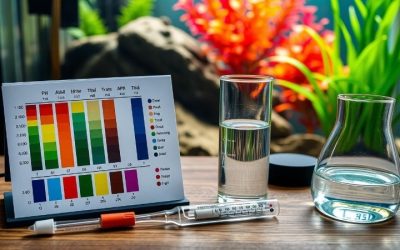
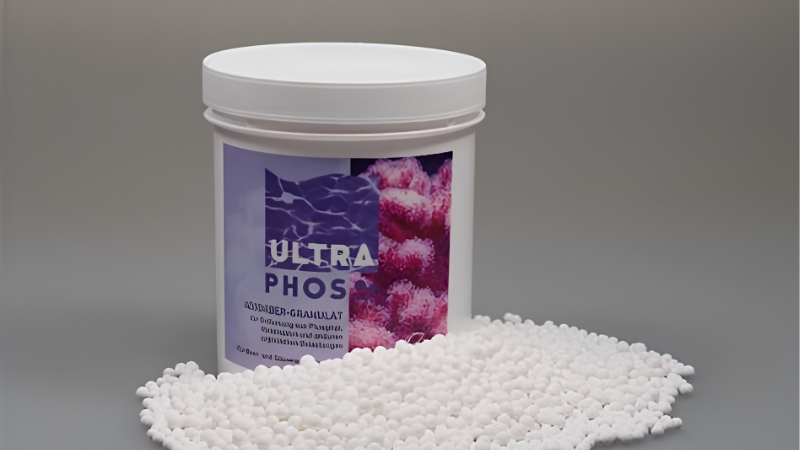
Before buying media, test your phosphate, because phosphate is a nutrient that feeds plants and algae, not automatically a toxin to eliminate. Knowing your actual level and setting a target turns removal into measured management rather than a blind attempt to hit zero everywhere.
So establish a baseline and a goal first, then choose media to reach it. Chasing an absolute zero can starve plants and is often unnecessary, so use a phosphate test to decide whether removal is even warranted and how much reduction your particular tank actually needs.
Match Media to the System
The products work differently and suit different systems, so match the mechanism to your tank. Seachem PhosGuard is an alumina-oxide media with a published comparative capacity around 0.87 mg of phosphate per gram, API Phos-Zorb removes phosphate and silicate in fresh, salt, or reef, and Fluval ClearMax is an adsorption resin.
Note the compatibility limits: ClearMax removes phosphate in freshwater but its nitrate action does not apply in saltwater, and PhosGuard should not be used in phosphate-buffered freshwater. So read each product’s system and water-type notes, since capacity claims are comparative rather than universal guarantees.
Ensure Adequate Flow
Adsorption and ion-exchange media only work on the water that actually passes through them, so flow matters. Media starved of flow, or bypassed in a filter, will underperform regardless of its rated capacity, so place it where water is forced through rather than around it.
So position the media in a well-flowing part of the filter and avoid channeling. Good contact between water and media is what turns rated capacity into real removal, which is why a strong claim on the package still depends on your filter delivering water through the media.
Re-Test to Time Replacement
Media saturates, so re-testing is how you know when to recharge or replace rather than guessing. Seachem directs testing phosphate after four days with PhosGuard, and API’s Phos-Zorb is replaced every two months or at breakthrough, when phosphate starts climbing again.
So build testing into your routine and swap media when levels rise, not on a fixed calendar alone. A theoretical capacity is not a guaranteed universal result, because real-world precipitation and self-limiting effects vary, so let measured phosphate, not the label, tell you when the media is spent.
Top Picks
Three media plus the essential first step of testing cover phosphate management, with the overall pick going to the option with verified capacity data. Prices are relative and current as of 09/2026, and because media format, mass, and capacity differ, raw package prices are not directly comparable across products.
| Option | Best For | Mechanism / Dose | Watch Out For |
|---|---|---|---|
| Seachem PhosGuard | Best overall for verified PO4 data | Alumina oxide; 85 mL/100 gal FW | Not for phosphate-buffered FW |
| API Phos-Zorb | Ready-to-use pouch | Phosphate + silicate; fresh/salt/reef | Replace every 2 months or at breakthrough |
| Fluval ClearMax | Multi-nutrient resin | Adsorbs PO4, NO2, NO3 in freshwater | Nitrate action not in saltwater |
| Test and reduce sources | First step before media | Measure PO4; cut feeding/inputs | Media alone won’t fix overfeeding |
Seachem PhosGuard – Best Overall for Verified PO4 Data
PhosGuard earns the overall label for having published comparative capacity data, an alumina-oxide media rated around 0.87 mg of phosphate per gram, dosed at 85 mL per 100 gallons in freshwater, around $10 for 2.1 oz as of 09/2026. Seachem directs testing after four days to gauge results.
Its verified capacity is comparative, not a guarantee of removing 100% or a fixed ppm on every tank, since real-world effects vary. Note it should not be used in phosphate-buffered freshwater, and its saltwater dose is 85 mL per 50 gallons, so follow the water-type-specific rate.
API Phos-Zorb – Ready-to-Use Pouch
Phos-Zorb is the convenient ready-to-use pouch, removing phosphate and silicate across fresh, salt, and reef systems, around $10 per pouch as of 09/2026. The pre-bagged format drops straight into a filter, which suits keepers who prefer not to handle loose media.
Replace it every two months or at breakthrough, when phosphate begins rising again, rather than assuming it lasts indefinitely. Its broad system compatibility makes it flexible, but as with any media, re-test to confirm it is still working rather than relying on the calendar alone.
Fluval ClearMax – Multi-Nutrient Resin
ClearMax is the multi-nutrient adsorption resin, removing phosphate, nitrite, and nitrate in freshwater, around $20 for a 3-pack as of 09/2026. It suits keepers who want to target several nutrients at once with a single, easy-to-place resin in freshwater setups.
Its key limit is that its nitrate action does not apply in saltwater, so do not expect reef nitrate removal from it. For freshwater phosphate control alongside other nutrients it is capable, but match it to the water type it is designed for rather than assuming its full action carries into a marine tank.
Test and Reduce Sources – First Step Before Media
Before or alongside any media, the most effective first step is testing phosphate and cutting its sources, since media cannot outpace ongoing overfeeding. Reducing feeding, removing decaying matter, and doing water changes lowers the phosphate input that media would otherwise fight endlessly.
This approach costs nothing and addresses the cause rather than the symptom, which is why it belongs first. Use media to reach a measured target after you have curbed the sources, treating the resin as help for stubborn phosphate rather than a license to overfeed a tank into a nutrient problem.
Frequently Asked Questions
Phosphate questions focus on targeting zero, freshwater use, replacement timing, and interaction with phosphate-based buffers. Each answer leads with the direct call, then the caveat that changes it for your particular system and its nutrient goals.
Should I Target Zero Phosphate?
Not necessarily, because phosphate is a nutrient rather than an automatic toxin, and driving it to absolute zero can starve plants. The goal is a measured, species-appropriate level, so test first and decide whether reduction is even needed before chasing an imagined zero on every tank.
In planted tanks especially, some phosphate is beneficial, so aggressive removal can hurt plant growth. Set a target from your research and your inhabitants, then use media to reach it, rather than assuming lower is always better or that any detectable phosphate is a problem. A modest, stable phosphate level supports plants without fueling algae, so aim for balance rather than treating every trace as something to strip out.
Can I Use These in Freshwater?
Yes, though the details differ by product, so match the media to freshwater specifically. PhosGuard is dosed at 85 mL per 100 gallons in freshwater and should not be used in phosphate-buffered freshwater, while ClearMax handles phosphate, nitrite, and nitrate in freshwater. Always read the saltwater dose and any reef notes separately, since a freshwater rate does not transfer to a marine tank without adjustment.
Phos-Zorb works across fresh, salt, and reef, giving it the broadest compatibility. So read each product’s water-type notes and doses, since a freshwater dose or restriction is not the same as the saltwater one, and confirm the media suits both your water type and any buffers in use.
How Often Do I Replace It?
Replace when the media saturates, which you confirm by re-testing rather than guessing. Seachem directs testing phosphate after four days with PhosGuard, and Phos-Zorb is replaced every two months or at breakthrough, when phosphate starts climbing back up despite the media being present.
So build phosphate testing into your routine and swap media when levels rise again, not purely on a fixed schedule. A theoretical capacity is not a guaranteed lifespan, since real-world conditions vary, so let measured phosphate tell you when the media is exhausted and needs replacing.
Does Phosphate Media Fight a pH Buffer?
It can, because some pH buffers are phosphate-based, and phosphate-removing media will work against them. This is why PhosGuard should not be used in phosphate-buffered freshwater, since the media and the buffer are pulling in opposite directions on the same nutrient. So choose phosphate-free buffering if you need both stable pH and low phosphate, and never run a phosphate buffer and phosphate media together in the same filter.
So if you use a phosphate-based buffer like a neutral regulator, adding phosphate media creates a conflict and wastes both. Use phosphate-free buffering if you also need phosphate removal, and check your buffer’s phosphate content before combining it with phosphate-removing media in the same system.
Final Thoughts
The best phosphate remover for fish tank use is chosen by verified mechanism and system fit after testing, so PhosGuard leads on capacity data, Phos-Zorb offers a ready pouch, ClearMax targets multiple freshwater nutrients, and testing plus source reduction comes first. Manage phosphate to a measured target, ensure flow through the media, re-test to time replacement, and avoid pairing phosphate media with a phosphate-based buffer.
As an Amazon Associate we earn from qualifying purchases at no extra cost to you. Prices and availability are accurate as of the date shown and are subject to change.
Ready to decide? Our #1 pick for 2026 is the Seachem PhosGuard.
Live price & availability on Amazon.
Related Reviews & Guides
Best Aquarium Water Conditioner for Tap Water: Buyer Guide

6 Best Nano Reef Fish Tanks 2026