Last Updated: October 4, 2026
- Top Pick: YISZM Slate Rock for Aquarium, 3-5 Inch Polished Natural Stone Rocks, 5 lbs
- Best Value: YISZM Slate Rock for Aquarium, 5-7 Inch Polished Natural Stone Rocks,10 lbs
- Premium Choice: ChaoLeHo Aquariums Stones Natural Rocks 3lb Aquarium Rock for Fish Tank Aquascaping,Aquariums,Terrariums,Vivariums,Decorative Stone,Reptile Enclosures,Paludariums,and Gardens-(2-5 Inch)
Rocks are the backbone of nearly every memorable aquascape. The right stone gives your layout structure, mimics natural riverbeds and mountain ranges, and provides fish with the caves and sightlines they crave. In this 2026 guide we rank the best aquarium rocks for aquascaping and explain how to use each type without wrecking your water chemistry.
As an Amazon Associate I earn from qualifying purchases.
As an Amazon Associate we earn from qualifying purchases at no extra cost to you.


Prime
Best Seller
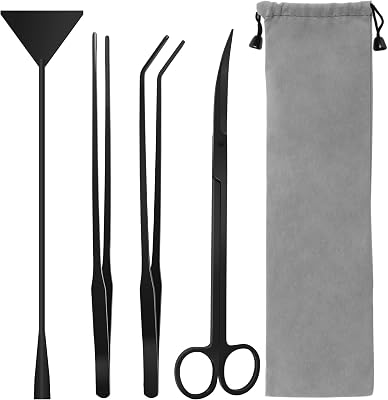
4Pcs Aquascaping Tools, Jeimier Aquascape Kit, Long and Strong Aquarium Tweezers, Scissors, Algae Scraper, Aquarium Plant Tools, Fish Tank Plant Trimming Kit

Prime
Editor's Pick
Fluval 12694 Plant and Shrimp Stratum for Freshwater Fish Tanks, 8.8 lbs. – Aquarium Substrate for Strong Plant Growth, Supports Neutral to Slightly Acidic pH

Prime
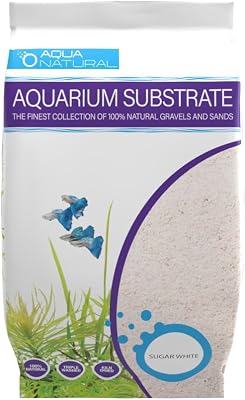
Aqua Natural Substrate, Sugar White Sand, 10lb | Aquascaping, Aquariums, Vivariums, Terrariums
🛒 Best Price Today on Amazon
Prime members get fast, free shipping on everything above, plus member-only deals. New members get a 30-day free trial — cancel anytime.
Why Aquascaping Rock Choice Matters
Not all stone is aquarium safe. Some rocks leach carbonates that raise hardness and pH, which is fine for African cichlids but wrong for soft-water tetras and shrimp. Others are inert and let you dial in any parameters you like. Choosing the right aquascaping rock up front saves you from chasing unstable readings for months. If you are new to layout theory, start with our overview of the golden ratio in aquascaping.
| Product | Best For | Standout Feature | Rating |
|---|---|---|---|
| Seiryu Stone (Mini Landscape) | Iwagumi layouts | Dramatic jagged veining | 4.7/5 |
| Dragon Stone (Ohko) | Textured natural scapes | Honeycomb caves and holes | 4.8/5 |
| Lava Rock | Biological filtration | Porous, plant-friendly surface | 4.5/5 |
| Texas Holey Rock | Cichlid tanks | Ready-made hiding tunnels | 4.4/5 |
| Petrified Wood Stone | Inert soft-water scapes | Wood-like grain, pH neutral | 4.6/5 |
Types of Aquarium Rocks for Aquascaping
Broadly, aquascaping rocks fall into carbonate-based stones that buffer water and inert stones that do not. Seiryu and Texas holey rock raise hardness, while lava rock and petrified wood stay neutral. Matching the rock to your livestock is more important than looks alone. Pair your hardscape with the right plants using our low-tech planted tank guide.
Seiryu Stone for Aquascaping
Seiryu is the classic Iwagumi rock, prized for its sharp grey ridges and white calcite veins that read like miniature mountains. It photographs beautifully and anchors minimalist layouts with authority. The catch is that it slowly raises carbonate hardness and pH, so it is better suited to shrimp species and fish that tolerate harder water. Rinse and test before committing to a full scape.
Dragon Stone (Ohko) for Aquascaping
Dragon stone is arguably the most beginner-friendly aquascaping rock. Its clay-based body is inert, so it will not shift your parameters, and its pitted, honeycombed surface creates instant caves and texture. The downside is that it is brittle and crumbly, so handle it gently and rinse away loose sediment. It looks especially striking when moss and small ferns are wedged into the crevices, as covered in our guide to attaching moss and epiphytes.
Lava Rock for Aquascaping
Lava rock earns its place through function as much as form. Its extreme porosity makes it a superb home for beneficial bacteria, effectively doubling as biological filter media hidden inside your scape. It is lightweight and easy to stack, though the rough surface can snag delicate fins and its muted color is less dramatic than premium stones. Many keepers use it as a hidden base layer to build height cheaply.
Texas Holey Rock for Aquascaping
If you keep African cichlids or other hard-water species, Texas holey rock is a natural fit. Its limestone body buffers pH upward, which those fish prefer, and its ready-made holes give territorial species the tunnels they defend. The obvious drawback is that it is unsuitable for soft-water scapes and can look chalky until it develops a light algae patina. In the right biotope, it is unbeatable.
Petrified Wood Stone for Aquascaping
Petrified wood offers the grain and warmth of driftwood with the permanence of stone. Because it is inert, it suits soft-water shrimp tanks and planted scapes where stable low pH matters. It stacks into convincing riverbank formations and never rots or floats. It costs more per kilogram than lava rock, but its neutrality and looks justify the premium for many aquascapers.
Which Aquascaping Rock Should You Choose?
For a crisp Iwagumi, reach for Seiryu; for a foolproof textured scape, Dragon Stone wins; and for cichlids, Texas holey rock is purpose-built. Lava rock is the value pick and hidden filtration booster, while petrified wood is the elegant, inert all-rounder. Mixing rock types within one layout is best avoided, since blended textures rarely look cohesive.
How to Prepare and Place Aquascaping Rocks
Scrub each stone with a stiff brush under running water to remove dust and debris, and never use soap. For layouts, work with an odd number of main stones and establish one dominant focal rock before adding supporting pieces. Bury the base of each stone slightly into the substrate so it looks rooted rather than dropped in. Our step-by-step hardscape planning tutorial shows the process from empty tank to finished scape.
Keeping Your Rock Aquascape Healthy
Rocks trap detritus over time, so include them in your maintenance routine by gently siphoning around their bases during water changes. Watch for stubborn algae on light-facing surfaces and adjust your photoperiod if it spreads. If you used carbonate stone, keep testing hardness for the first few weeks so you know exactly how much it is buffering. A stable scape rewards patience just like a well-cycled filter does.
Frequently Asked Questions
Which aquarium rocks are safe for aquascaping?
Inert rocks like dragon stone, lava rock, and petrified wood are the safest all-round choices because they do not alter water chemistry. Carbonate stones such as Seiryu and Texas holey rock are safe too, but only for fish and shrimp that tolerate or prefer harder, higher-pH water.
Do aquascaping rocks change the pH of my tank?
Some do. Limestone-based rocks like Texas holey rock and, to a lesser degree, Seiryu stone release carbonates that raise hardness and pH over time. Inert rocks leave your parameters untouched, so always test a new stone in a bucket of water for a few days if you are unsure.
How do I clean new rocks before aquascaping?
Scrub each rock thoroughly under running water with a stiff brush to remove dust, dirt, and loose particles, and never use detergents or bleach. For rocks collected outdoors, a longer soak and inspection for contaminants is wise before you trust them near livestock.
Can I stack aquascaping rocks safely in my tank?
Yes, but stability is critical so nothing topples onto fish or cracks the glass. Build on the base pane or a thin foam mat, wedge stones so they interlock, and consider aquarium-safe glue or cable ties for tall structures. Keep heavy formations away from the tank walls to protect the silicone seams.
Related Reviews & Guides


6 Best Aquarium Strip Thermometers 2026
Ember Tetra Care: Schooling, Feeding and Tank Setup