Last Updated: October 4, 2026
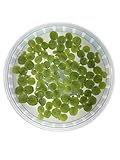
- Top Pick: 60+ Leaves Water Spangles – Salvinia Minima Floating Live Aquarium Plants
- Best Value: Floating Flowering Plant – Live Aquatic Plants for Ponds & Aquariums (5 Common Water Hyacinth (Eichhornia crassipes), 5, Count)
- Premium Choice: Canton Aquatics Red Root Floaters Live Plant, Floating Plants
Floating aquarium plants are among the easiest and most rewarding additions to a freshwater tank. They soak up excess nutrients, shade the water to calm shy fish, and give fry and bettas a natural canopy to shelter under. In this 2026 guide we rank the best floating aquarium plants and explain how to keep them thriving without taking over your tank.
As an Amazon Associate I earn from qualifying purchases.
As an Amazon Associate we earn from qualifying purchases at no extra cost to you.


Prime
Best Seller
AQUANEAT Artificial Aquarium Plants, Fish Tank Purple Tree Decoration Set, Plastic Accessories, 11pcs

Prime
Editor's Pick
Ameliade Aquarium Artificial Plastic Plants Decorations and Rock Cave Decor Set Goldfish Betta Fish Tank Accessories Small Large Fish Bowl Ornaments
Prime
Limited Time
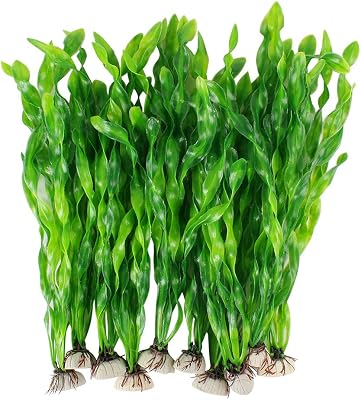
MyLifeUNIT Artificial Seaweed Water Plants for Aquarium, Plastic Fish Tank Plant Decorations 10 PCS (12 Inches Tall, Green)


🛒 Best Price Today on Amazon
Prime members get fast, free shipping on everything above, plus member-only deals. New members get a 30-day free trial — cancel anytime.
Why Add Floating Aquarium Plants?
Floating plants pull nitrogen straight from the water column, which starves algae of the nutrients it needs and helps keep your parameters stable. Their trailing roots become nurseries for fry and grazing grounds for shrimp, while their shade comforts species that dislike bright light. They are also forgiving, making them ideal for beginners. If you are new to live plants, pair this with our beginner live plant care guide.
| Product | Best For | Standout Feature | Rating |
|---|---|---|---|
| Amazon Frogbit | Nutrient export | Long dangling root curtains | 4.7/5 |
| Red Root Floater | Colorful surface accent | Red hue under bright light | 4.6/5 |
| Dwarf Water Lettuce | Shade and fry cover | Rosettes with dense roots | 4.5/5 |
| Water Spangles (Salvinia) | Fast-growing coverage | Water-repellent leaves | 4.6/5 |
| Duckweed | Rapid nutrient uptake | Ultra-fast spread | 4.2/5 |
Choosing the Right Floating Aquarium Plants
Match the plant to your tank size and goals. Frogbit and water lettuce suit medium and large tanks where their roots have room to hang, while smaller species like red root floater fit nano setups. Consider how aggressively each spreads, since fast growers need regular thinning. Our nano planted tank guide helps you scale these choices to a small aquarium.
Amazon Frogbit Floating Aquarium Plant
Frogbit is a favorite for good reason: its round leaves and long, feathery roots form a curtain that provides superb cover and voracious nutrient uptake. Bettas and fry adore the shade and shelter it offers. It grows quickly and needs thinning, and its leaves dislike being wetted from above, so keep a slow surface and avoid splashy filter outflows. Managed well, it is a beautiful, functional floater.
Red Root Floater Floating Aquarium Plant
For a splash of color at the surface, red root floater is hard to beat. Under strong light its leaves blush deep red, creating a striking contrast against green plants below. It stays compact, making it ideal for nano tanks. It does demand good lighting to color up, staying plain green in dim conditions, and it can be pushed around by strong flow, so keep the current gentle for the best display.
Dwarf Water Lettuce Floating Aquarium Plant
Dwarf water lettuce forms pretty rosettes with dense, dangling roots that shade the tank and shelter fry. It is an efficient nutrient sponge and grows steadily without the runaway speed of duckweed. Its main downside is size, since it can grow large and hog surface space in a small tank, so thin it regularly. In a medium or large aquarium it looks lush and natural, especially over an aquascaped hardscape.
Water Spangles Floating Aquarium Plant
Water spangles, a type of Salvinia, spread quickly to blanket the surface with small, water-repellent leaves that stay dry and healthy even under a little splash. They are hardy, undemanding, and excellent at shading a tank. Because they grow fast, plan on frequent thinning to keep light reaching plants below. For quick, reliable surface cover with minimal fuss, they are an outstanding choice.
Duckweed Floating Aquarium Plant
Duckweed is the ultimate nutrient vacuum and a favorite snack for many fish, but it comes with a warning: it multiplies explosively and is nearly impossible to fully remove once established. Used deliberately, it strips nitrates fast and feeds herbivorous fish. Used carelessly, it takes over. Keep it only if you are prepared to scoop out handfuls weekly, and never let it hitchhike into a tank you want to keep clear.
Which Floating Aquarium Plants Should You Choose?
Choose frogbit or water lettuce for shade and strong nutrient export, red root floater for color in a nano tank, and water spangles for fast, tidy coverage. Reach for duckweed only if you want maximum nutrient uptake and can commit to constant thinning. Combining a couple of species gives a natural, layered surface.
Caring for Floating Aquarium Plants
Most floaters want moderate light and calm surface water, since strong flow pushes them into corners and splashing rots their leaves. A surface skimmer or a baffled filter outflow keeps them evenly spread. Thin fast growers weekly so light still reaches your substrate plants. A little liquid fertilizer helps if your tank runs low on nutrients, a balance we cover in our planted tank fertilizing guide.
Managing Growth and Coverage
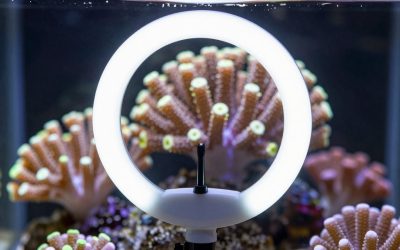
Aim to cover no more than about two thirds of the surface, leaving open water for gas exchange and light penetration. Use a floating ring or a length of airline tubing to corral floaters into a tidy patch if you dislike a fully carpeted surface. Regular thinning prevents a total blackout that would starve rooted plants below and keeps your overall tank balance healthy.
Frequently Asked Questions
Do floating aquarium plants help reduce algae?
Yes, floating plants compete directly with algae for nitrogen and other nutrients, and their shade lowers the light energy algae needs to bloom. Fast growers like frogbit and duckweed are especially effective, so a healthy patch of floaters is one of the most natural ways to keep nuisance algae under control in a planted tank.
Will floating plants block too much light for my other plants?
They can if left unchecked, since a full surface blanket shades the plants rooted below. Keep floaters covering no more than about two thirds of the surface and thin them regularly, so enough light still reaches your carpeting and stem plants to keep them growing compact and healthy.
Are floating aquarium plants good for betta fish?
Floating plants are excellent for bettas because they diffuse harsh light, provide shade and cover that reduce stress, and offer resting spots near the surface where bettas breathe air. Their trailing roots also give bettas and any fry a natural place to explore and shelter, encouraging more confident, natural behavior.
How do I keep floating plants from being pushed around by the filter?
Reduce surface agitation by baffling your filter outflow or lowering the flow rate, since strong current shoves floaters into corners and wets their leaves. Many keepers corral floating plants with a floating ring or a loop of airline tubing, which keeps them in a tidy patch and away from the filter intake.
Related Reviews & Guides
6 Best Background Plants For Aquarium 2026
How to Choose Aquarium Heater Thermostat Accuracy in 2026: What Actually Matters