Last Updated: October 4, 2026
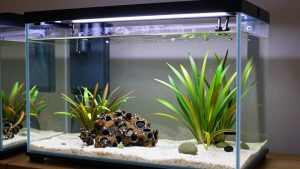
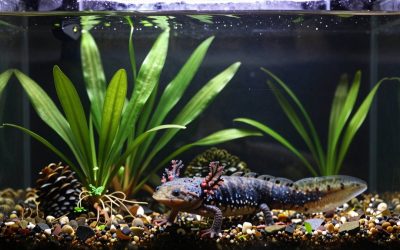
Axolotls live on the bottom, so floor area matters more than gallons or height. The best aquarium for axolotl care provides a large base footprint, cool water and gentle filtration, which is why a 20-gallon should be read as a minimum floor rather than a tank shape, and a wide, long tank beats a tall one.
As an Amazon Associate we earn from qualifying purchases.
By David Nguyen
What an Axolotl Tank Needs
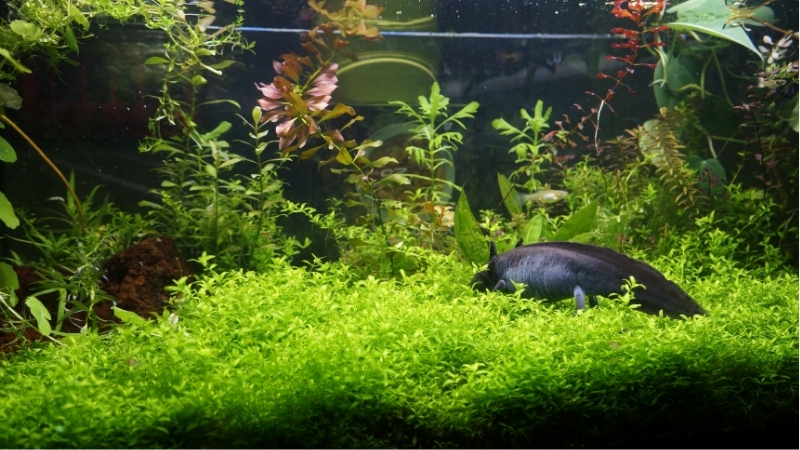
Axolotls are cool-water, bottom-dwelling amphibians, so their tank is about floor space and stable, gentle conditions. What matters is treating the 20-gallon guidance as a floor not a shape, maximizing base area, keeping the water cold, and using gentle filtration. These four decide whether an axolotl has room to thrive.
A 20-Gallon Is a Floor, Not a Shape
Petco’s care guidance puts an adult axolotl at a 20-gallon minimum, with length more important than height (Petco, 2026), and specialists often prefer a 30 to 40-gallon breeder class. So 20 gallons is the lowest acceptable volume, not a target, and the form factor matters as much as the number.
Read the guidance as a starting floor you can exceed, not a box to check. Because two tanks of the same gallons can have very different footprints, the volume alone does not tell you if a tank suits an axolotl. Pair the minimum volume with the right shape, which the next criterion covers.
Floor Space Comes First
Axolotls need room to walk the bottom, so base area is the key spec. A 20-gallon long offers about 378 square inches of floor, while a 40-gallon breeder offers about 664 (derived from maker dimensions), roughly 76% more walking space, which is why the breeder class is favored for adults.
Choose the tank with the larger footprint at a given volume, since that is the usable habitat for a bottom-dweller. Extra height adds water but not floor, so it does little for an axolotl. When comparing tanks, put base dimensions ahead of gallons or height in the decision.
Cold Water
Axolotls need cool water, with care guidance citing about 60 to 70°F (Petco, 2026), which is often below typical room temperature in warm climates. Meeting that range can mean no heater and, in warm rooms, active cooling with a fan or chiller to keep the water from rising too high.
Monitor temperature with a thermometer and plan for summer, when a room can push the tank above the safe range. Do not assume a room stays cool enough; verify it. Keeping the water reliably in the cool range is one of the biggest welfare factors in axolotl keeping.
Gentle Filtration
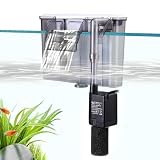
Axolotls dislike strong current, so filtration must be effective but gentle. Aim for good biological filtration with a softened outflow, using a spray bar, baffle or a gently rated filter so the water stays clean without a strong flow buffeting the animal, which stresses it and can affect its gills.
Because axolotls are messy, filtration needs to keep up with waste while staying calm at the surface and substrate. Balance turnover against flow strength, and reduce a filter’s output if it creates too much movement. The goal is clean, stable water with slow circulation the animal is comfortable in.
Best Aquarium Sizes for Axolotls
The two tanks below are separated by floor space and long-term suitability, not by gallons alone, and two common mistakes follow them. Keep each size tied to its actual base dimensions rather than its nominal volume. Confirm current pricing and your stand’s load rating before buying, since these tanks are heavy.
| Product | Best For | Key Spec | Watch Out For |
|---|---|---|---|
| Aqueon 40 Breeder | Long-term footprint | ~664 in² base; ~455 lb full | Heavy; needs strong stand |
| Aqueon 20 Long | Minimum-size class | ~378 in² base; ~225 lb full | Floor, not a long-term goal |
Aqueon 40 Breeder
The Aqueon 40 Breeder is the strongest long-term choice, offering about 664 square inches of floor in a 36.375 by 18.25 by 16.94-inch tank, at around $150 at Petco as of 09/2026 (Aqueon, 2026). Its wide, low form gives an adult axolotl generous walking space, matching specialist preferences.
That roughly 76% more floor area than a 20 long is the reason to favor it for an adult. It is heavy, about 455 pounds filled, so it needs a solid, load-rated stand. For a keeper who wants to set up once for the animal’s life, the breeder’s footprint is worth the extra cost and weight.
Aqueon 20 Long
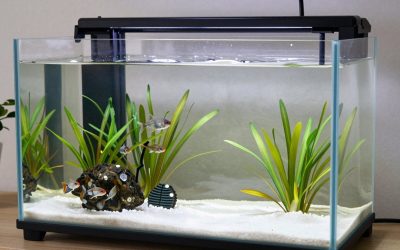
The Aqueon 20 Long meets the minimum-size class at about 378 square inches of floor in a 30.25 by 12.5 by 12.75-inch tank, at around $70 at Petco as of 09/2026 (Aqueon, 2026). Its long, low shape is the correct 20-gallon form for an axolotl, prioritizing length over height.
It satisfies the 20-gallon guidance at the lowest cost here, around $80 less than the breeder. The caveat is that it is a floor, not an ideal, so an adult is better served by more floor space over time. For a budget start or a smaller adult, the long form is the right 20-gallon.
Why a 29-Gallon Is Not a Floor-Space Upgrade
A 29-gallon holds more water than a 20 long but shares the same roughly 30 by 12.5-inch base, adding height rather than floor (derived). So despite the larger volume, it does not give an axolotl more walking space; the extra gallons sit above the animal, not around it.
This is why volume alone misleads: more gallons do not mean more usable habitat for a bottom-dweller. If you want to improve on a 20 long for an axolotl, step up to a wider footprint like the 40 breeder, not a taller tank that only deepens the water column.
Why a 20 High Is the Wrong 20-Gallon
Not all 20-gallon tanks suit an axolotl, because a 20 high trades floor for height. It holds the same volume as a 20 long but in a taller, narrower footprint, giving less of the bottom area an axolotl actually uses, which is why the long form is specified.
When buying a 20-gallon, confirm it is the long version, not the high, since the label alone can hide the shape. Matching the nominal volume to the right form factor is essential here; the wrong 20-gallon leaves an axolotl with too little floor despite the correct gallons.
Frequently Asked Questions
Axolotl keepers ask the same things: how big a tank they need, whether a 20 high equals a 20 long, whether they need a heater or chiller, and what filtration suits them. Short answers first, then the caveats.
How big a tank does an axolotl need?
An adult needs at least 20 gallons, with length prioritized over height, and specialists often prefer a 30 to 40-gallon breeder class (Petco, 2026). Treat 20 gallons as a minimum floor rather than a target, and favor more floor space for an adult where you can.
Because floor area is what an axolotl uses, a wider tank at a given volume is better than a taller one. Plan for the adult size from the start rather than upgrading later, since a larger footprint gives the animal room to move and dilutes waste in a messy species.
Is a 20 high the same as a 20 long?
No. Both hold 20 gallons, but a 20 long has a larger floor footprint while a 20 high stacks that volume into a taller, narrower shape with less base area. For an axolotl, the long form is correct because floor space matters more than height.
So when buying, confirm the exact form factor rather than trusting the gallon figure. The nominal volume does not equal one footprint, and choosing a 20 high leaves a bottom-dwelling axolotl with too little usable floor despite technically meeting the volume.
Does an axolotl need a heater or chiller?
Usually not a heater, and sometimes a chiller. Axolotls want cool water around 60 to 70°F, which is often at or below room temperature, so a heater is typically unnecessary and warm rooms may need a fan or chiller to keep the water from rising too high (Petco, 2026).
The right answer depends on your room, so monitor temperature year-round, especially in summer. Do not assume the room stays cool enough; verify it with a thermometer. Keeping the water reliably in the cool range is a core welfare requirement, whichever cooling method your climate demands.
What filtration suits an axolotl?
Effective but gentle filtration, because axolotls dislike strong current. Aim for solid biological filtration with a softened outflow, using a spray bar, baffle or gently rated filter so the water stays clean without buffeting the animal, which can stress it and irritate its gills.
Since axolotls are messy, the filter must handle the waste load while staying calm at the substrate and surface. Reduce output if the flow is too strong, and prioritize clean, stable water with slow movement over powerful circulation, which does more harm than good for this species.
Final Thoughts
The best aquarium for axolotl care prioritizes floor space, cool water and gentle filtration, treating a 20-gallon as a minimum floor rather than a shape. The Aqueon 40 Breeder leads on long-term footprint, the 20 long meets the minimum in the correct form, and a 29-gallon or 20 high adds height, not usable floor. Put base area and cool, calm water first.
As an Amazon Associate we earn from qualifying purchases at no extra cost to you. Prices and availability are accurate as of the date shown and are subject to change.
Best Aquarium for African Cichlids: Top Compared Size Guide
8 Best Bloodworms for Fish: Freeze-Dried vs Frozen Guide 2026