Last Updated: October 9, 2026
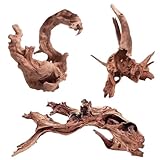
- Top Pick: AWXZOM Aquarium Driftwood Centerpiece Aquarium Landscape, Handcrafted Fish Tank hardscape Landscape
- Best Value: EFFIELER Natural Driftwood for Aquarium Decor – 6-10 INCH Unique Size Real Wood Branches for Fish Tank, Reptile Habitat, Terrarium, Hermit Crab, Shrimp Tank,Safe for Aquatic Pets
- Premium Choice: YZHZOM 160g Aquarium Driftwood Roots – Bushy Tank Wood for aquascaping -Perfect for Fry, Shrimp or Terrarium,Natural Wood Roots for Aquarium aquascaping

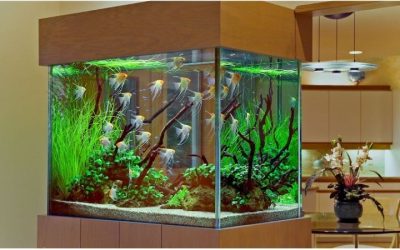
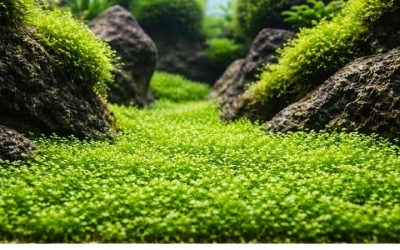
Aquascaping is equal parts horticulture and landscape design — and nothing shapes the visual character of an aquascape more fundamentally than its hardscape. Driftwood and stone are the bones of any layout: they define perspective, create shelter for fish, provide attachment surfaces for mosses and ferns, and influence water chemistry in ways that either support or challenge your plant and livestock choices. The difference between an aquascape that looks natural and one that looks like a novelty tank often comes down entirely to hardscape selection and placement. Here’s what’s worth buying — and what to watch out for.
🛒 Best Price Today on Amazon
Prime members get fast, free shipping on everything above, plus member-only deals. New members get a 30-day free trial — cancel anytime.
As an Amazon Associate we earn from qualifying purchases at no extra cost to you.



Quick Picks: Best Driftwood and Stone for Aquascaping
Why Trust Our Picks
Our aquascaping experience spans Nature Aquarium, Iwagumi, Dutch, and biotope styles across tank sizes from 10 gallons to 180 gallons. We evaluate hardscape on visual impact, structural versatility, water chemistry effect (pH, hardness, tannin contribution), plant attachment compatibility, and longevity in aquarium conditions. We source both retail and specialist hardscape and note where source quality varies significantly.
Individual Product Reviews
1. Spider Wood (Azalea Root Driftwood) — Best Overall
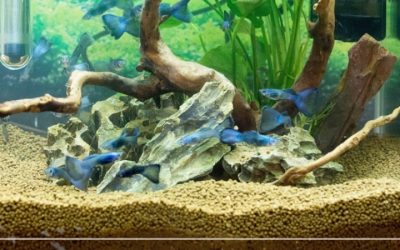
Spider wood — the sun-bleached root systems of azalea shrubs — has become the defining hardscape material of contemporary Nature Aquarium-inspired aquascaping. Its dramatic branching architecture creates the illusion of ancient, gnarled trees in miniature, and the irregular form is almost impossible to position poorly — every angle offers a different, compelling composition. Moss (Christmas moss, Java moss, Flame moss) attaches readily and grows along branches in a way that looks completely natural within weeks; similarly, Anubias and Bucephalandra rhizomes wedge into fork points and establish quickly. The tannin release, while noticeable initially, clears within 2–3 weeks of water changes and is far less aggressive than Malaysian or Cholla wood.
- Pros: Exceptional visual character, natural branch structure, excellent plant attachment surface, moderate tannin release, lightweight for repositioning during aquascape development
- Cons: Floats initially — requires weighting or boiling before use, quality varies between suppliers (avoid pieces with soft or crumbly sections), can develop white biofilm in first weeks (harmless but unsightly)
2. Seiryu Stone (Dragon Stone) — Runner-Up
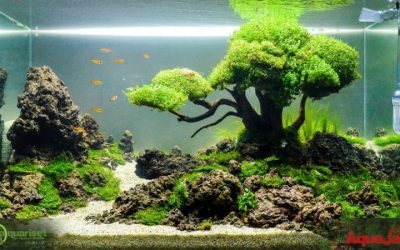
Seiryu stone is the hardscape material most associated with Takashi Amano’s legendary Nature Aquarium layouts — its sharp, angular fractures and dramatic grey-blue coloration create a sense of geological scale that no other stone replicates convincingly. The craggy surface texture provides excellent attachment points for mosses and liverworts; Riccardia chamedryfolia (mini pellia) and Taxiphyllum barbieri (Java moss) spread naturally across Seiryu faces in a way that looks immediately authentic. The one significant caveat: Seiryu stone is calcite-based, which slowly raises carbonate hardness and pH — a meaningful consideration for soft-water fish species (discus, most tetras, killifish) but generally beneficial for hard-water Rift Lake cichlid setups.
- Pros: Iconic aquascaping aesthetic, exceptional depth and texture, excellent moss attachment surface, sinks immediately — no preparation needed
- Cons: Raises KH and pH over time — unsuitable for soft-water biotopes without mitigation, heavy (limits repositioning flexibility), premium price from reputable aquascape suppliers
3. Mopani Wood — Best for Biotope and African Setups
Mopani wood’s dense, two-toned surface — dark brown at the root end, pale tan at the branch tips — creates a naturally variegated appearance that works particularly well in African and South American biotope aquascapes. It’s among the heaviest aquarium woods available, which means it sinks reliably without preparation (a meaningful advantage over spider wood or cork bark). The tannin release is significant and long-lasting — Mopani can tea-stain an aquarium for months — but for blackwater biotope keepers aiming to replicate the tannin-rich waters of the Amazon basin or West African forest streams, this is a feature, not a bug. Boiling before use accelerates tannin leaching and reduces the initial discoloration period.
- Pros: Sinks without weighting, two-toned natural appearance, excellent for blackwater biotopes, robust and long-lasting, large pieces available for impressive layouts
- Cons: Heavy tannin release stains water for months, very hard surface limits moss attachment, less architectural variety than spider wood, requires prolonged boiling or pre-soaking
4. Malaysian Driftwood — Best Budget
Malaysian driftwood is the workhorse of budget aquascaping — widely available, affordable in large pieces, and reliable in terms of waterlogging speed (it typically sinks within 1–2 weeks without boiling). The appearance is less architecturally dramatic than spider wood and less texturally complex than Mopani, but the gnarled, root-like forms work well in natural and jungle-style layouts. Tannin release is moderate to high depending on the piece — pre-soaking for a week before use is recommended. For large aquascapes where you need significant hardscape mass at reasonable cost, Malaysian driftwood is the logical choice.
- Pros: Affordable, widely available in large sizes, sinks reliably, tannins beneficial for soft-water fish, natural appearance suits multiple aquascape styles
- Cons: Less architecturally distinctive than spider wood, variable quality between suppliers, moderate tannin release requires water changes or carbon filtration
Buyer’s Guide: Hardscape Principles for Aquascaping
The rule of odds and the golden ratio. Aquascaping composition principles borrowed from landscape photography apply directly: odd numbers of rocks or wood pieces (3, 5, 7) create more natural-looking arrangements than even numbers. Positioning the focal point of your hardscape at one of the golden ratio intersections (roughly one-third from left or right, one-third from top or bottom) produces layouts that feel balanced without appearing symmetrical — the hallmark of natural composition.
Mixing driftwood and stone requires careful material selection. Not all combinations work chemically or visually. Seiryu stone and spider wood is the most popular combination in competitive aquascaping — the stone’s angular geometry contrasts beautifully with wood’s organic curves, and the chemistry is compatible for most planted tank setups. Avoid combining calcite-based stones (Seiryu, limestone, Texas holey rock) with soft-water biotope requirements; use inert stones (lava rock, ADA Ryuoh stone, slate) in those applications instead.
Surface area is planting real estate. Evaluate hardscape not just visually but for where plants can attach. Spider wood and rough-textured stones provide extensive rhizome attachment points; smooth river stones and Mopani offer far fewer. For heavily planted aquascapes with significant epiphytic plants (Anubias, Bucephalandra, ferns, mosses), surface texture directly determines how lush and established the final layout can appear.
Frequently Asked Questions
How do I make driftwood sink faster?
Boiling driftwood for 1–2 hours waterloggs it quickly while simultaneously sterilizing and accelerating tannin leaching. For large pieces that won’t fit in a pot, extended soaking (2–4 weeks, changing water daily) achieves the same result — just more slowly. Alternatively, weigh the wood down with rocks or suction-cup anchors until it becomes waterlogged naturally.
Will driftwood lower my aquarium pH?
Tannin-releasing driftwood (Malaysian, Mopani, spider wood) can slightly lower pH and soften water over time — generally by 0.2–0.5 pH units in a moderately buffered tank, more in soft, unbuffered water. For most tropical community tanks this is within acceptable range and beneficial for many species. For tanks with high KH buffering (cichlid setups, reef tanks), the effect is negligible.
What is the white fuzzy growth on my new driftwood?
White biofilm on new driftwood is a benign fungal or bacterial growth that colonizes fresh wood surfaces — completely harmless to fish and invertebrates, and typically consumed by snails, shrimp, and certain fish species (plecos, otocinclus). It disappears naturally within 2–4 weeks as the wood stabilizes. Boiling before aquarium use dramatically reduces initial biofilm formation.
Is it safe to collect rocks from nature for an aquarium?
Potentially — but requires testing. Any calcareous rock (limestone, chalk, marble) will raise pH and hardness. Test by applying a drop of muriatic acid or white vinegar: if the rock fizzes, it contains calcium carbonate and will affect water chemistry. Inert rocks (slate, granite, basalt, quartz) are safe for most setups. Always clean and boil collected hardscape before adding to a tank to eliminate pathogens, pesticides, or contaminants.
How do I attach moss to driftwood?
The most reliable methods are thread (black cotton thread or fishing line) tied in loose wraps across the moss mat, or aquarium-safe superglue gel (cyanoacrylate) applied in small dots to driftwood before pressing moss portions onto the glue spots. Thread biodegrades as the moss establishes; glue bonds immediately and the moss grows over it within weeks. Both methods are effective — glue is faster, thread is better for delicate mosses that don’t handle pressure well.
Final Verdict
For aquascapers building Nature Aquarium or jungle-style layouts where organic character and plant attachment surface area are the priorities, Spider Wood is the most versatile and visually compelling hardscape material available at accessible price points. Iwagumi-style or stone-dominant layouts demand Seiryu Stone — there’s no realistic substitute for its angular beauty, despite the pH consideration. African and South American biotope builders should investigate Mopani Wood for its authentic appearance and blackwater compatibility. For budget-conscious aquascapers who need volume and reliable sinking behavior, Malaysian Driftwood delivers honest functionality that improves with time as plants colonize its surface.
Related Reviews & Guides
5 Best Aquascaping Tool Kits
11 Best Live Aquarium Plants for Beginners and Pros