Last Updated: October 9, 2026
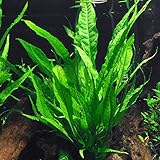
- Top Pick: Java Fern Microsorum Pteropus Easy Low Light Live Aquarium Plant – Buy 2 Get 1
- Best Value: Java Moss – Vesicularia dubyana (4×6 cm) – Live Aquarium Plant
- Premium Choice: Java Fern Bare Root | Microsorum Pteropus – Low Light Freshwater Aquarium Plant – 1,000,000+ Plants Sold — AquaLeaf Aquatics
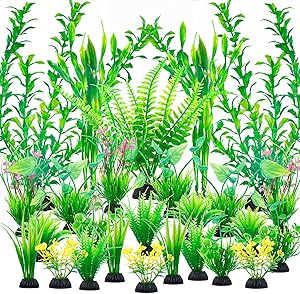
Live aquarium plants transform a glass box of water into a miniature ecosystem. They absorb ammonia and nitrate — the byproducts of fish waste — compete with algae for nutrients, produce oxygen during daylight hours, and provide shelter that reduces fish stress. But not all aquarium plants are created equal, and for beginners especially, choosing the wrong species leads to melting, rotting, and the mistaken conclusion that live plants are too difficult to keep.
Java fern and anubias are the two most beginner-friendly live aquarium plants in the hobby, and for good reason. Both are low-light species that thrive without CO2 injection or high-tech fertilization. Both are slow growers that can tolerate neglect, temperature fluctuations, and a wide range of water parameters. And both are virtually indestructible when attached correctly to hardscape — they grow on driftwood and rocks rather than in substrate, which means goldfish, cichlids, and other digging fish cannot uproot them. Understanding the differences between species and how to establish them successfully is the key to a lush, low-maintenance planted aquarium. Here are the top products to get started.
As an Amazon Associate we earn from qualifying purchases at no extra cost to you.



🛒 Best Price Today on Amazon
Prime members get fast, free shipping on everything above, plus member-only deals. New members get a 30-day free trial — cancel anytime.
Start 30-Day Prime Free Trial →See Today’s Amazon DealsQuick Picks: Aquarium Plant Java Fern & Anubias
Why Trust Our Picks
Our planted tank experience spans low-tech walstad method setups, medium-tech pressurized CO2 tanks, and everything in between. We’ve kept java fern and anubias in tanks ranging from 5-gallon nano setups to 125-gallon community displays, under LED lighting from 10 to 80 PAR, and in water temperatures from 68°F to 82°F. Every product recommended here was evaluated on plant health upon arrival, ease of attachment, actual growth rate under low-light conditions, and whether it introduced pest snails, algae spores, or other hitchhikers into our test tanks.
Best Aquarium Plants: Java Fern & Anubias Reviews
1. Greenpro Java Fern Bare Root
Java fern (Microsorum pteropus) is native to the riverbanks and waterfalls of Southeast Asia, where it grows attached to rocks and wood in fast-moving, shaded water. This origin explains everything about its care requirements in the aquarium: it needs to be anchored to hardscape rather than buried (burying the rhizome kills it), it prefers low to moderate flow, and it thrives in low light that would leave most plants struggling. Greenpro’s bare root offering arrives with a healthy, well-developed rhizome and multiple fronds — enough to create an immediate visual impact. The tissue-culture sourcing is a meaningful differentiator: unlike plants collected from ponds or grown in outdoor nurseries, tissue-culture plants carry no pest snail eggs, parasites, or harmful algae strains into your tank. Attach the rhizome to driftwood or lava rock using cyanoacrylate (super) glue gel or thin fishing line; it will send out roots and grip permanently within four to six weeks.
- Pros: Pest-free tissue culture, immediate visual impact, adaptable to almost any water parameter
- Cons: Slow grower — patience required for a full, lush look; black spots on leaves are normal propagation, not disease
2. Greenpro Anubias Barteri
Anubias barteri is the standard-bearer of the anubias genus — a mid-sized species with broad, dark green leaves that provide excellent shelter for shy fish and fry. Native to the rivers and streams of West Africa, anubias evolved to grow in deep shade under forest canopy, which makes it uniquely suited to aquariums with basic LED lighting and no CO2. It is arguably the most forgiving aquatic plant in existence: it survives temperature swings from 60°F to 82°F, thrives in both soft and hard water, and will even survive weeks of low-light conditions without significant deterioration. The main care rule — like java fern — is to never bury the rhizome. Greenpro’s specimen typically arrives with a well-established root system and four to eight leaves, providing an immediate naturalistic look. Anubias leaves are also thick and tough enough that most herbivorous fish, including goldfish and many cichlids, will leave them alone.
- Pros: Broadest temperature and water parameter tolerance, goldfish and cichlid resistant, extremely durable leaves
- Cons: Slow growth means algae can colonize older leaves — wipe with a soft cloth periodically; avoid very high-light setups which encourage leaf algae
3. Aquatic Arts Anubias Nana Petite on Driftwood
Anubias nana petite is a miniaturized cultivar of anubias nana with leaves roughly the size of a fingernail — perfect for nano tanks, foreground placement in larger tanks, or aquascapes where scale matters. Aquatic Arts ships this plant already attached to a small piece of driftwood, eliminating the most common beginner mistake (burying the rhizome) entirely. Drop it in, position it where you want it, and done. The driftwood also releases beneficial tannins that soften water slightly and are appreciated by blackwater fish species like tetras and rams. Aquatic Arts has a strong reputation in the live plant shipping community for packing quality and plant health on arrival — a meaningful consideration since aquatic plants frequently arrive in poor condition from careless vendors.
- Pros: Pre-attached to driftwood for zero-effort setup, perfect nano scale, tannin-releasing driftwood adds ecosystem benefit
- Cons: Smaller plant mass means less immediate visual impact; petite leaf size accumulates algae more visibly than larger-leaved varieties
Buyer’s Guide: Java Fern and Anubias Care
The most important rule: never bury the rhizome. Both java fern and anubias absorb nutrients through their leaves and roots — not through the rhizome. Burying the rhizome in substrate cuts off gas exchange and causes it to rot. Attach to wood or rock, leaving the rhizome exposed to the water column.
How to attach plants to hardscape. Two methods work reliably: superglue gel (cyanoacrylate is aquarium-safe once cured) applied to the rhizome, pressed firmly to dry rock or driftwood and held for 60 seconds; or thin fishing line (4–6 lb monofilament) wrapped loosely around the rhizome and tied to the hardscape. The plant’s own roots will grip the surface permanently within weeks and the line can be left or removed.
Lighting requirements. Both species grow in 10–30 PAR of light. Most standard aquarium LED fixtures provide enough light at their default setting. Avoid placing them directly under a high-intensity light — this accelerates algae growth on their slow-growing leaves without benefiting the plant.
Fertilization. Both plants benefit from a liquid all-in-one fertilizer dosed weekly, but they can survive without it in tanks with fish. Fish waste provides the nitrogen, phosphorus, and potassium these plants need in a low-tech setup. Trace element deficiencies (yellowing leaves, holes) can be addressed with Seachem Flourish or a comparable micronutrient supplement.
FAQ
Why are my java fern leaves turning black and developing bumps? Those are propagation nodes — the plant is reproducing. Small daughter plants (plantlets) will sprout from the spots. Leave them until they have three or more leaves, then detach and attach to their own piece of hardscape.
Can java fern and anubias grow fully submerged? Yes, both are true aquatic plants that grow fully submerged in nature. They can also grow emersed (leaves above water, roots submerged) which is how they are often propagated commercially.
Why are my anubias leaves covered in algae? Anubias’ slow growth means algae can colonize leaves faster than the plant replaces them. Reduce lighting duration or intensity, add a cleanup crew (nerite snails, otocinclus catfish), or manually wipe leaves with a soft cloth during water changes.
Are these plants safe with fish and invertebrates? Both are completely non-toxic. They are safe with all fish, shrimp, snails, and invertebrates. In fact, both provide excellent grazing surfaces for shrimp and hiding spots for fry.
Final Verdict
Java fern and anubias are the foundation of low-tech planted aquascaping for good reason — they are genuinely difficult to kill, beautiful when established, and actively beneficial to water quality. Greenpro’s Java Fern Bare Root is the top pick for anyone wanting a lush, dramatic fern display without CO2 or high-end lighting. Greenpro’s Anubias Barteri pairs perfectly alongside it for textural contrast and broader leaf coverage. And the Aquatic Arts Anubias Nana Petite on Driftwood is the smartest shortcut for beginners who want an instant, correctly attached plant with zero guesswork. Start with these two species, master their care, and you’ll have the confidence to explore the full range of aquatic plants.
Frequently Asked Questions
Why is my java fern or anubias melting?
The most common cause is burying the rhizome, the thick horizontal stem the leaves and roots grow from. Both plants must have the rhizome above the substrate, tied or glued to wood or rock. Buried rhizomes rot within weeks. Melt can also follow a move from emersed-grown nursery stock, in which case new submersed leaves replace the old.
How much light do these plants need?
Very little, which is why they are beginner favorites. Both grow under 15 to 30 PAR and often do better in shade than in bright light, since strong light on their slow-growing leaves invites black beard algae. They need no CO2 injection and tolerate a wide range from 68 to 82 degrees Fahrenheit.
How do I attach them to driftwood or rock?
Use cyanoacrylate gel superglue directly on the rhizome and press to the surface for 20 seconds, or tie with cotton thread or fishing line until roots grip on their own, usually four to eight weeks. Do not use rubber bands long term, since they degrade and cut into the rhizome as the plant thickens.
Do fish eat java fern or anubias?
Almost never. Both have tough, bitter leaves that goldfish, most cichlids and even silver dollars generally leave alone, which makes them among the only plants that survive in tanks with destructive fish. They are also safe with bettas, shrimp and snails, and their broad leaves give shy fish valuable cover.
How do I propagate them?
Cut the rhizome with a clean blade so each piece keeps at least three or four leaves and some roots, then attach the divisions separately. Java fern also produces plantlets on mature leaf tips that can be detached once they have their own roots. Both grow slowly, so expect months rather than weeks between divisions.
Related Reviews & Guides

How to Choose Vacuums for Planted Tanks: What Actually Matters

Aquarium Co2 Regulator Planted Kit