Last Updated: October 21, 2026
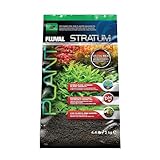
- Top Pick: Fluval 12693 Plant and Shrimp Stratum for Freshwater Fish Tanks, 4.4 lbs.
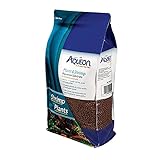
- Best Value: Aqueon Plant and Shrimp Aquarium Substrate, Aqua Soil for Fish Tanks, 5 Pounds
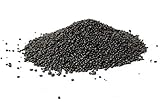
- Premium Choice: Novique Root Tabs Freshwater Aquarium Plant Fertilizer Safe for Fish Shrimp and Planted Fish Tanks Slow Release
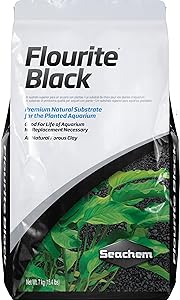
The foundation of any thriving planted aquarium is literally beneath your feet — or rather, beneath your plants’ roots. Substrate selection is one of the most consequential decisions a planted tank keeper makes, and it’s also the hardest to reverse once your aquascape is established. Planted tank soils and specialized substrates serve a dual purpose: they anchor plant roots mechanically while delivering a slow-release supply of nutrients directly to the root zone, where many aquatic plants preferentially feed. The right substrate accelerates plant growth, stabilizes water chemistry, and creates the rich, natural aesthetic that defines world-class planted aquascapes. After testing the leading options across multiple tank setups, here are the best aquarium substrates for planted tanks.
🛒 Best Price Today on Amazon
Prime members get fast, free shipping on everything above, plus member-only deals. New members get a 30-day free trial — cancel anytime.
As an Amazon Associate we earn from qualifying purchases at no extra cost to you.


Quick Picks: Best Aquarium Substrates for Planted Tanks
Why Trust Our Picks
Our planted tank team set up dedicated comparison tanks using identical lighting, CO2 injection, and water column fertilization schedules, with only the substrate varying between setups. Each substrate was tested for a minimum of six months — long enough to observe the critical initial ammonia leaching phase, the peak nutrient delivery period, and the beginning of long-term nutrient depletion. No substrate manufacturer sponsored this review.
Best Planted Tank Substrates: In-Depth Reviews
1. ADA Aqua Soil Amazonia Normal Type
Takashi Amano’s ADA brand created the modern planted aquascape as an art form, and Aqua Soil Amazonia is the substrate that powers countless award-winning tanks around the world. Made from specifically selected natural soil that is kiln-fired into stable pellets, Amazonia delivers an enormous initial nutrient load that fuels explosive plant growth in the first three to six months. The substrate also naturally acidifies and softens water, pushing pH into the 6.0–7.0 range that most aquatic plants — and many popular fish and shrimp species — prefer.
The trade-off is the well-known initial ammonia spike. New Amazonia substrates leach significant ammonia for the first two to four weeks, requiring either a full fishless cycle or heavy water changes before livestock can be safely introduced. This is not a flaw — it’s a sign of the dense organic nutrient content doing exactly what it’s supposed to do. Root feeders like cryptocorynes and echinodorus developed visibly more extensive root systems compared to all other tested substrates.
- Pros: Unmatched nutrient density, natural pH buffering into the ideal planted tank range, industry-proven performance, ADA quality consistency
- Cons: Significant initial ammonia leaching requires patient cycling; premium price; pellets break down over time (typically 2–3 years before replacement)
- Best for: High-tech CO2-injected planted tanks; demanding carpeting plants; serious aquascapers; soft water fish and neocaridina shrimp
2. Fluval Stratum Volcanic Soil Substrate
Fluval Stratum is sourced from the mineral-rich volcanic region of Mount Aso in Japan — the same general substrate philosophy as ADA Amazonia but with a different mineral profile and notably lower initial ammonia leaching. The volcanic mineral composition provides iron, potassium, and trace elements while the naturally porous structure offers tremendous surface area for beneficial bacteria colonization, creating exceptionally stable biological filtration within the substrate layer itself.
This makes Stratum significantly more beginner-friendly for planted tank newcomers who haven’t experienced substrate cycling before. The pH buffering is gentler, typically stabilizing in the 6.5–7.0 range — slightly higher than Amazonia’s lower buffering but still appropriate for most planted tank species. Neocaridina and caridina shrimp thrive in Fluval Stratum-based tanks.
- Pros: Lower ammonia leaching than ADA (more beginner-friendly), volcanic mineral nutrition, excellent for shrimp, good pH buffering, Fluval brand reliability
- Cons: Lower overall nutrient density than Amazonia; pellets are lighter and can be disturbed by strong flow or active fish
- Best for: Shrimp tanks, beginner planted tanks, low to medium tech setups, soft water community tanks
3. Landen Namale Aquarium Soil
Landen has quietly built a strong reputation in the planted tank community by producing high-quality substrate at prices significantly below the ADA and Fluval premium tier. The Namale soil is pre-washed before packaging — a meaningful manufacturing step that removes the majority of fine dust and significantly reduces initial ammonia leaching compared to unwashed competitors.
pH buffering is comparable to Fluval Stratum, typically stabilizing in the 6.5–7.0 range over the first month of operation. Plant growth rates were strong — notably better than inert substrates like sand or plain gravel, and comparable to Fluval Stratum in the first six months of the test. The Namale soil pellets are well-formed and maintained their structure throughout the testing period without significant breakdown. For planted tank enthusiasts who want genuine active substrate performance without the premium price, Landen Namale is the most compelling value available.
- Pros: Pre-washed with lowest ammonia leaching of any tested soil, good nutrient content, stable pH buffering, significantly more affordable than ADA or Fluval
- Cons: Lower peak nutrient density than ADA Amazonia; less widely known brand with fewer long-term user data points
- Best for: Budget-conscious planted tank enthusiasts; beginner planted tanks; medium-tech setups where extreme nutrient density is not required
Buyer’s Guide: Choosing Substrate for Your Planted Tank
Active vs. inert substrate: understand the difference. Active substrates (like all three reviewed here) contain nutrients and buffer water chemistry. Inert substrates (sand, plain gravel, pool filter sand) do neither — they require supplemental root tabs for root-feeding plants and have no effect on water chemistry. For serious planted tanks, active substrate is the correct choice. For tanks where water chemistry stability is the priority (African cichlid tanks, hard water biotopes), inert substrates with separate buffering media may be more appropriate.
Depth matters for plant root development. Most aquatic plants develop extensive root systems that require a minimum of 3 inches (7.5 cm) of substrate depth. Root feeders like echinodorus and cryptocorynes benefit from 4–5 inches. Shallow substrate layers of 1–2 inches starve root development and force plants to rely entirely on water column fertilization, producing less vigorous growth overall.
Plan for ammonia leaching before adding fish. Every active soil substrate leaches ammonia as organic matter begins to break down. The quantity and duration varies by product, but all require a cycling period before fish can be safely introduced. Test daily with a liquid ammonia test kit (not strips) and wait for ammonia and nitrite to both read zero before adding livestock. Impatience at this stage is the most common cause of planted tank fish losses.
Active substrate has a lifespan. The nutrient content in active substrates depletes over time — typically two to four years depending on plant load and water column fertilization. After this point, substrates transition to behaving more like inert media and require root tab supplementation to maintain root-zone nutrition. Plan your aquascape with eventual substrate replacement in mind, particularly for long-term show tanks.
Frequently Asked Questions
Can I use potting soil in a planted aquarium? Some hobbyists use the “Walstad method” with capped organic potting soil, but it requires specific soil selection and carries risks of introducing pests, pesticides, and uncontrolled ammonia levels. Purpose-made aquarium substrates are more reliable and produce more consistent results.
Do I need to rinse aquarium soil before use? Pre-washed soils like Landen Namale can be added directly. Unwashed soils like ADA Amazonia should not be rinsed — rinsing washes away nutrients and disturbs the pellet structure. Simply add carefully to minimize dust disturbance, then fill slowly.
Can I mix aquarium soil with sand or gravel? Yes — many aquascapers use active soil in planted areas with contrasting inert sand in open foreground zones for aesthetic effect. Keep the layers separate and use hardscape elements (rocks, wood) to define the boundary between substrate types.
Will active substrate affect my fish’s water chemistry preferences? Yes — active soils that lower pH are not suitable for African cichlids, livebearers, and other fish that prefer hard, alkaline water. Confirm that your chosen fish species thrive in soft, slightly acidic water (pH 6.0–7.0) before using an acidifying substrate.
Final Verdict
For dedicated aquascapers and high-tech planted tank enthusiasts willing to manage the initial ammonia cycling carefully, ADA Aqua Soil Amazonia remains the definitive planted tank substrate — its nutrient density and pH buffering are unmatched. For beginners and shrimp keepers who want active substrate performance with a more manageable setup process, the Fluval Stratum strikes the ideal balance of performance, reliability, and beginner-friendliness. And for hobbyists who want genuine active substrate results without the premium price tag, the Landen Namale Aquarium Soil delivers exceptional value with impressively low ammonia leaching. The right substrate is the foundation your plants deserve — invest in it wisely and your aquascape will reward you for years.
5 Best CO2 Regulators for Planted Tanks

Aquascape Tweezers Scissors Curved Tool