Last Updated: October 4, 2026
🛒 Best Price Today on Amazon
Prime members get fast, free shipping on everything above, plus member-only deals. New members get a 30-day free trial — cancel anytime.
Getting Started with a Freshwater Planted Aquarium
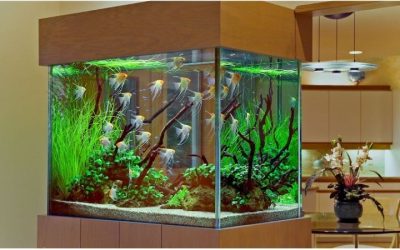
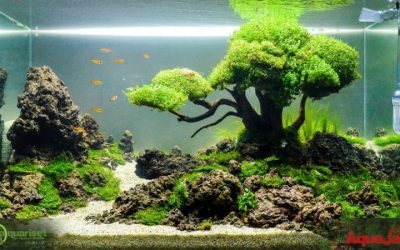
A freshwater planted aquarium is one of the most rewarding setups in the hobby. Live plants do more than look beautiful — they absorb ammonia and nitrate, produce oxygen, outcompete algae for nutrients, and provide fish with natural hiding spots and behavioral enrichment. A thriving planted tank is a balanced, living ecosystem that often requires fewer water changes than a fish-only setup because plants actively process waste.
As an Amazon Associate we earn from qualifying purchases at no extra cost to you.


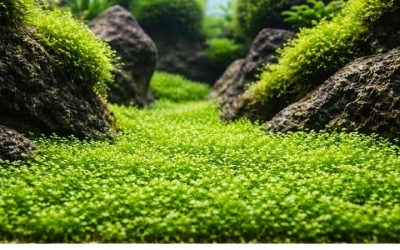
Successful planted tanks require three key inputs: light, carbon (CO2 or liquid carbon), and nutrients (substrate and liquid fertilizers). The balance between these three elements determines whether plants thrive or struggle. Beginners should start with low-light, undemanding plants like java fern, anubias, and cryptocorynes before moving on to more demanding stem plants that require CO2 injection and high-intensity lighting.
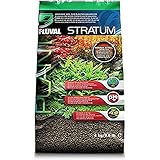
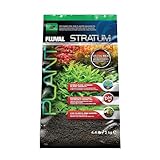
Fluval Plant and Shrimp Stratum Substrate
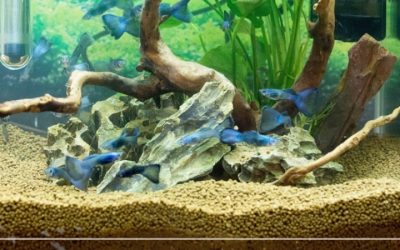
Providing plants with the right substrate is the foundation of a successful planted tank. Fluval Stratum, made from volcanic soil, releases nutrients directly to plant roots while maintaining a slightly acidic pH ideal for most tropical plants and fish. Its porous granules support beneficial bacteria and remain stable without compacting. It is one of the most popular planted tank substrates among hobbyists and professionals alike, delivering consistent results for both beginner and advanced setups.
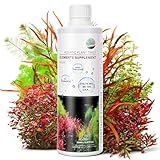
Seachem Flourish Comprehensive Supplement
Seachem Flourish is the most widely recommended all-in-one liquid fertilizer for planted aquariums. It contains a comprehensive blend of trace elements, vitamins, amino acids, and plant hormones that support healthy plant growth in low-tech setups without CO2 injection. Dose once or twice per week during water changes. Combine with Seachem Flourish Excel (a liquid carbon source) for even better results in tanks without CO2 injection equipment. A staple product in nearly every planted tank keeper's routine.
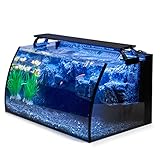
Nicrew ClassicLED Plus Planted Aquarium Light
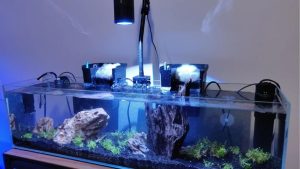
Good lighting is essential for plant photosynthesis. The Nicrew ClassicLED Plus is a top-rated, budget-friendly LED light with a full spectrum that supports planted tank growth. It includes separate white, red, green, and blue LED channels that can be adjusted to optimize the spectrum for plant health and aesthetic appeal. The clip-on design fits most standard aquariums, and it runs cool and energy-efficient. An excellent starting light for low-to-medium light plants without breaking the budget.
What to Know Before Starting a Planted Aquarium
- Start with easy plants: Java fern, anubias, mosses, and crypts thrive under low light without CO2.
- Light intensity and duration: 6–8 hours of light per day prevents algae while supporting plant growth.
- Use a timer: Consistent lighting schedules prevent algae blooms and support plant circadian rhythms.
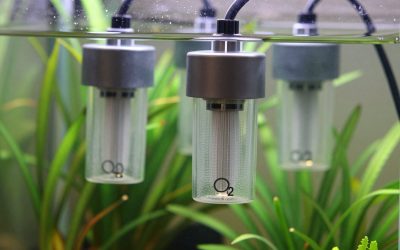
- CO2 is optional but powerful: Low-tech tanks use liquid carbon (Flourish Excel); high-tech tanks use CO2 injection for faster growth.
- Water column fertilizers matter: Even with a rich substrate, liquid fertilizers replenish nutrients consumed by plants.
- Patience is key: Plants go through a melting/adaptation phase when moved to a new tank; give them 2–4 weeks to settle.
Lighting, CO2, and Nutrients for a Planted Tank
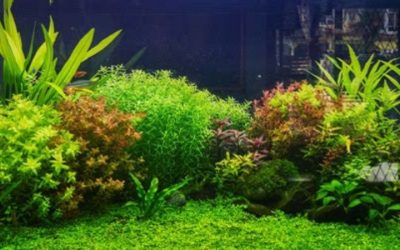
The three pillars of a thriving freshwater planted aquarium are light, carbon dioxide, and nutrients, kept in balance with one another. Light drives photosynthesis, but more light is not automatically better; high light without matching CO2 and fertilization usually fuels algae rather than plant growth. Low-tech tanks succeed with modest LED lighting and hardy plants like java fern, anubias, and cryptocoryne, while high-tech tanks with demanding carpeting plants rely on stronger light paired with pressurized CO2 injection.
Nutrients reach plants through the water column and the substrate. Liquid fertilizers supply nitrogen, phosphorus, potassium, and trace elements, while nutrient-rich aquasoils and root tabs feed heavy root-feeders such as swords and cryptocorynes. The key is matching all three inputs: if you increase light, you generally need to increase CO2 and dosing to keep up. A common beginner mistake is running intense light over a sparsely planted tank, which almost always invites an algae outbreak. Starting moderate and adjusting based on how the plants respond is the safest path.
Substrate, Maintenance, and Algae Prevention
A good substrate anchors plants and, in the case of nutrient-rich aquasoils, actively feeds them. Inert gravels and sand work well when supplemented with root tabs, while dedicated planted substrates release nutrients directly to the roots. Whatever you choose, give plants room and depth to root and avoid burying the crown of plants like cryptocorynes, which can rot if planted too deep.
Ongoing maintenance keeps a planted tank balanced and beautiful. Regular partial water changes export excess nutrients and reset trace elements, while routine trimming encourages bushier growth and prevents lower leaves from being shaded out. Removing dying leaves promptly keeps decaying matter from feeding algae. Fast-growing stem plants and floating plants act as natural competitors that soak up surplus nutrients before algae can use them, which is one reason densely planted tanks tend to stay cleaner than sparse ones. Consistency in lighting duration, dosing, and water changes is far more important than any single product.
Frequently Asked Questions
Do planted aquariums need CO2?
Not always. Many hardy plants like anubias, java fern, and cryptocoryne grow well in low-tech tanks without added CO2. Pressurized CO2 is mainly needed for demanding carpeting plants and high-light setups.
How long should I run aquarium plant lights?
A photoperiod of roughly 6 to 8 hours per day suits most planted tanks and helps limit algae. Running lights longer than plants can use often encourages algae rather than faster growth.
What are the easiest plants for a beginner planted tank?
Anubias, java fern, cryptocoryne, and various mosses are forgiving, slow-growing, and tolerate a wide range of conditions. They thrive under modest light and without CO2 injection.
Why is my planted tank getting algae?
Algae usually signals an imbalance, most often too much light relative to available CO2 and nutrients, or excess nutrients from overfeeding. Reducing the photoperiod and adding fast-growing plants helps restore balance.
Do I need special substrate for live plants?
Nutrient-rich aquasoils make planting easier, but inert gravel or sand also works when supplemented with root tabs. Heavy root-feeders especially benefit from nutrients delivered directly to their roots.
Final Thoughts
A freshwater planted aquarium is one of the most beautiful and biologically effective tank setups you can create. Starting with quality substrate like Fluval Stratum, supplementing with Seachem Flourish, and providing proper lighting with the Nicrew ClassicLED Plus will set you up for success. Begin with low-maintenance plant species, be patient during the establishment phase, and you will soon enjoy a lush, thriving underwater garden that keeps your fish healthy and your tank naturally beautiful.
Related Reviews & Guides
6 Best Shrimp Tank Kits 2026

Fluval Plant 3.0 LED Aquarium Light Honest Review 2026