Last Updated: October 4, 2026
- Top Pick: Complete Aquarium CO2 System, Desktop CO2 Regulator with 45g Disposable CO2 Cartridge, Compatible with 5/8" and 3/8" Threaded for Nano Aquariums
- Best Value: Desktop CO2 Regulator with 80g Disposable CO2 Cartridge with Solenoid Valve, Complete Aquarium CO2 System, Compatible with 5/8" Threaded for Nano Aquariums
- Premium Choice: 2L Aquarium CO2 Generator System, CO2 System Kit with Regulator and Needle Valve for Aquarium Plants Tanks
Choose an aquarium CO2 system safely
Quick answer: a complete planted-tank CO2 system needs a compatible cylinder, regulator, needle valve, check valve, CO2-rated tubing, diffuser or reactor, and a repeatable way to monitor response. Match every pressure-rated component; do not improvise fittings or treat bubbles per second as a universal dose.
Beginners should first decide whether plant selection and lighting actually require pressurized injection. Start low, maintain surface gas exchange, increase gradually, and watch livestock. The beginner CO2 setup guide covers assembly, while the regulator guide explains the buying criteria.
As an Amazon Associate we earn from qualifying purchases at no extra cost to you.


1. Fluval Pressurized CO2 Kit
The Fluval Pressurized 88g CO2 Kit is the ideal starter system for tanks up to 40 gallons. It includes a CO2 cartridge, regulator with needle valve for precise bubble-count control, and an inline diffuser. The compact design fits easily under or behind most aquarium stands, and replacement 88g cartridges are widely available. While the cost-per-gram of CO2 is higher than refillable cylinder systems, the convenience and lower upfront investment make it the best entry point for planted tank beginners.
2. Aquatek CO2 Regulator with Solenoid
For aquarists ready to move to refillable CO2 cylinders (5 lb or 10 lb paintball or beverage-grade CO2 tanks), a quality dual-stage regulator is essential. The Aquatek Mini Regulator with solenoid valve is a budget-friendly favorite in the planted tank community. The solenoid allows you to connect the regulator to a timer, automatically turning CO2 off at night when plants don’t photosynthesize (saving CO2 and preventing pH crashes). The dual-stage design prevents end-of-cylinder “dumping” that can gas fish.
3. Rhinox Glass CO2 Diffuser
Even the best regulator and cylinder need a quality diffuser to dissolve CO2 efficiently into the water column. Rhinox glass diffusers produce micro-fine CO2 bubbles that dissolve before reaching the surface, maximizing CO2 uptake. The ceramic membrane creates uniform bubble size without clogging as quickly as cheaper diffusers. Soak the membrane in bleach solution monthly to maintain efficiency. Position the diffuser near the filter intake for maximum distribution throughout the tank.
CO2 System Buying Guide
- Bubble count: Start at 1 bubble per second per 10 gallons; adjust based on drop checker color (target lime green).
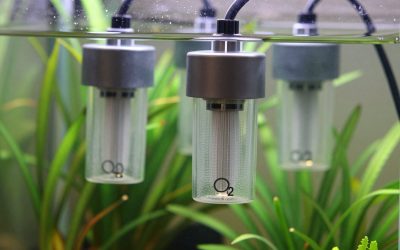
- Drop checker: Use a pH-indicator drop checker with 4dKH reference solution to monitor dissolved CO2 levels in real time.
- CO2 timing: Turn CO2 on 1–2 hours before lights on; turn off 1–2 hours before lights off.
- pH impact: CO2 lowers pH; monitor carefully and don’t exceed 1 pH unit drop from your baseline.
- Refillable vs. disposable: Refillable cylinders are far cheaper long-term; 5 lb cylinders last months in a 40-gallon tank.
- Fish safety: Never run CO2 overnight; excessive CO2 depletes oxygen and can kill fish.
How CO2 Transforms a Planted Tank
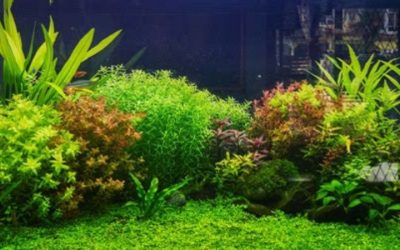
Carbon dioxide is the single nutrient most often limiting growth in a planted aquarium. Plants build their tissues from carbon, and in many tanks the dissolved CO2 available from fish respiration and the atmosphere simply is not enough to support lush, fast growth. A pressurized CO2 system injects a controlled amount of carbon dioxide into the water, which, when balanced with adequate light and fertilizer, produces dramatically healthier plants, richer colors, and far less algae. Demanding carpeting plants and vivid red species in particular often need supplemental CO2 to thrive.
A typical pressurized setup includes a CO2 cylinder, a regulator with a needle valve to control the flow, tubing, and a diffuser that breaks the gas into fine bubbles for the water to absorb. A solenoid linked to a timer lets you switch CO2 on only during the photoperiod, since plants cannot use it in the dark. A drop checker filled with indicator solution gives a visual readout of CO2 levels, helping you tune injection to the ideal range without guesswork.
Dosing CO2 Safely
More CO2 is not always better, because too much will suffocate fish. The goal is enough carbon dioxide for plants while keeping levels safe for livestock, and the classic target is a CO2 concentration around 30 ppm, which a drop checker shows as a green color. Always start low and increase gradually over days while watching your fish closely.
- Run CO2 with the lights: Use a solenoid on a timer so injection stops at night when plants release rather than absorb CO2.
- Watch your fish: Gasping at the surface signals too much CO2; turn it down immediately and increase aeration.
- Use a drop checker: A green drop checker indicates a good, safe CO2 level around 30 ppm.
Maintaining Your CO2 Equipment
Keeping a CO2 system running reliably involves a little routine maintenance. Check the cylinder pressure periodically so you are not caught out when it empties, and keep a spare or a refill plan ready, since plants suffer if injection suddenly stops. Inspect tubing and connections for leaks, which waste gas and can let pressure drift, and clean the diffuser regularly because mineral buildup clogs its fine pores and reduces bubble production. When you change the bubble rate, give the tank time to stabilize before judging the effect, and always adjust gradually. A well-maintained system keeps CO2 levels steady, which is exactly what plants and fish need to stay healthy.
Related Guides
- Quick Picks: Best Full-Spectrum LED Lights for Planted Tanks
- Best Planted Aquarium Fertilizer for Lush Growth
- Best Aquarium Tank Chiller 2026
Frequently Asked Questions
Do I really need CO2 for a planted tank?
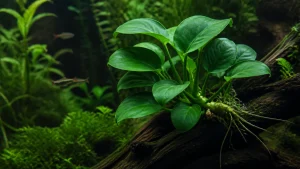
Not for every tank. Low-light setups with hardy plants like java fern and anubias grow fine without it, but high-light tanks and demanding plants such as carpets and red species usually need supplemental CO2 to flourish and resist algae.
Is injected CO2 dangerous for fish?
It can be if overdosed, because excess CO2 reduces the oxygen fish can use. Kept around the recommended 30 ppm and run only during the day, it is safe; watch for fish gasping at the surface as a warning sign.
How do I know how much CO2 to add?
A drop checker with indicator solution is the standard tool, turning green at a good, safe level near 30 ppm. Start with a low bubble rate and increase slowly over several days while monitoring your fish.
Should CO2 run at night?
No, plants only absorb CO2 in light, so injecting at night wastes gas and can dangerously lower oxygen. A solenoid on a timer that matches your light schedule solves this automatically.
What is a drop checker?
A drop checker is a small glass device filled with an indicator solution that changes color based on dissolved CO2. Green signals an ideal level, blue means too little, and yellow warns of too much.
Final Thoughts
A CO2 system is the most transformative investment for a serious planted tank. Start with a pressurized kit to learn the basics, then graduate to a refillable cylinder system with a solenoid regulator for the most cost-effective and controllable CO2 injection. Pair with quality lighting and fertilizers for a planted tank that grows like a garden.
Related Reviews & Guides



Amazon Sword Plant Care: How It Grows and What to Watch
Aquarium Algae Types: How to Identify Each One Correctly