Last Updated: October 4, 2026
- Top Pick: SEAOURA Led Aquarium Light for Plants Growth, Fish Tank Light 12-18 Inch
- Best Value: hygger Clip On 24/7 Lighting Aquarium LED Light,Sunrise-Daylight-Moonlight and DIY Mode, Adjustable Timer/Brightness Fish Tank Light with 7 Colors for Planted Tank (14W for 12~20in Tank)
- Premium Choice: hygger Auto On Off LED Aquarium Light 48-55 Inches Dimmable 7 Colors Full Spectrum Fish Tank Light Fixture for Freshwater Planted Tank Build in Timer Daylight Moonlight & 24/7 Cycle
🛒 Best Price Today on Amazon
Prime members get fast, free shipping on everything above, plus member-only deals. New members get a 30-day free trial — cancel anytime.
LED Aquarium Light for Planted Tank: Grow Lush Plants
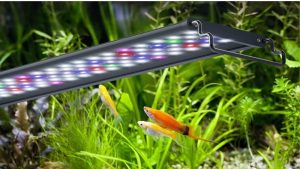
The right light is the foundation of a successful planted aquarium. Plants need sufficient PAR (photosynthetically active radiation) at the right spectrum to photosynthesize, grow vigorously, and display their natural colors. Modern LED technology has transformed planted tank lighting, offering energy efficiency, programmable schedules, and spectrum control at every budget level. Whether you’re setting up a low-tech Dutch-style tank or a high-tech CO2-injected aquascape, there’s an LED fixture for you.
As an Amazon Associate we earn from qualifying purchases at no extra cost to you.

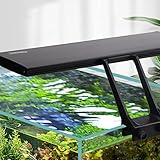
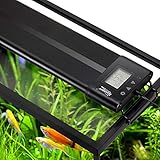
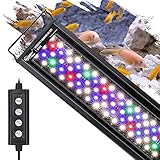

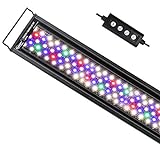


1. Fluval Plant 3.0 LED
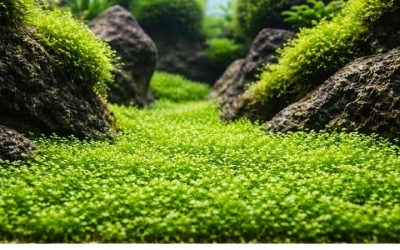
The Fluval Plant 3.0 is widely considered the best planted tank LED for the money. Its full-spectrum output covers the red, green, and blue wavelengths plants use most efficiently. The free Fluval Aquasky app enables programmable 24-hour light cycles with sunrise/sunset ramp effects, cloud and storm simulations, and customizable intensity. Available in 24–34” and 36–46” versions, it delivers enough PAR for medium-to-high-light plants including carpeting species like HC Cuba and glossostigma without supplemental CO2 at moderate intensities.
2. Finnex Planted+ 24/7 HLC Aquarium LED
Finnex is a beloved brand in the planted tank community, and the Planted+ 24/7 HLC is their flagship fixture. It features a built-in 24/7 automatic cycle mode that mimics natural light conditions throughout the day, or can be fully customized via an included remote. The dense LED array provides excellent PAR spread across the substrate for carpeting plants. Its slim, low-profile design keeps heat out of the water, and the extendable bracket fits a wide range of tank widths.
3. Chihiros WRGB II Pro LED
For aquascapers who demand professional-grade output, the Chihiros WRGB II Pro is a competition-level fixture with white, red, green, and blue LED channels that can be fine-tuned via a smartphone app. Its high PAR output supports even the most demanding carpeting plants in CO2-injected tanks. The aluminum body dissipates heat efficiently, prolonging LED lifespan. It’s an investment piece but delivers the color rendering and intensity that dedicated aquascapers require for show-quality tanks.
Planted Tank Light Buying Guide
- PAR vs. watts: PAR is what matters for plant growth, not watts; look for PAR specs at substrate level.
- Low-tech tanks: 20–40 PAR at substrate; suitable for anubias, java fern, cryptocoryne, vallisneria.
- High-tech tanks: 40–80+ PAR; required for carpeting plants and stem plants with CO2 injection.
- Photoperiod: 6–8 hours for new tanks; extend to 8–10 hours once plants are established.
- Algae control: Too much light causes algae; use a timer and don’t exceed 8 hours until the tank matures.
- Spectrum: Full-spectrum LEDs with peaks in red (660nm) and blue (450nm) maximize plant growth efficiency.
Matching Light to Your Plants
Lighting is the engine of a planted tank, driving the photosynthesis that keeps plants healthy and colorful. The right LED depends on which plants you keep. Low-light plants such as java fern, anubias, and mosses flourish under modest lighting and are very forgiving. High-light plants, including many carpeting species and red-stemmed plants, demand brighter, more intense fixtures and usually benefit from added carbon dioxide and fertilizer to keep pace. Choosing a light far stronger than your plants need often does more harm than good by fueling algae.
When comparing fixtures, look at the spectrum as well as the brightness. Plants use light most efficiently in the red and blue parts of the spectrum, but a full-spectrum light that also renders greens makes the tank look natural and your fish vibrant. A color temperature in the 6500K range mimics daylight and suits most planted tanks. Many quality LEDs also offer adjustable brightness, which lets you tune output to your plants and dial it back if algae appears.
Photoperiod and Algae Control
How long the light stays on matters as much as how bright it is. Most planted tanks do well with a photoperiod of around six to eight hours a day. Leaving lights on too long, or placing the tank in direct sunlight, tips the balance in favor of algae. A simple timer keeps the photoperiod consistent, which plants prefer and which makes algae problems easier to diagnose.
- Use a timer: A consistent six-to-eight-hour photoperiod promotes steady growth and discourages algae.
- Balance the triangle: Light, carbon dioxide, and nutrients must be in balance; boosting light alone without the others invites algae.
- Start conservative: Begin with a shorter photoperiod and moderate intensity, then increase gradually as plants establish.
Mounting and Positioning Your LED
How you mount a planted-tank LED affects both growth and appearance. Most fixtures sit on adjustable legs that rest on the tank rim or hang above an open-top tank, and raising or lowering the light is a practical way to fine-tune intensity at the substrate. Center the fixture so light reaches the whole footprint evenly and your foreground plants are not left in shadow. If you have demanding plants, position them directly under the brightest part of the light and place low-light species toward the edges. A light suspended slightly higher spreads coverage more evenly, while lowering it concentrates intensity for high-light carpeting plants that need it.
Related Guides
- Aquarium Glass Lily Pipe Inlet Outlet Review
- Best Aquarium CO2 System for Planted Tanks (2026)
- Best Aquarium Filter For 5 Gallon Tank 2026
Frequently Asked Questions
How many hours a day should I run my planted tank light?
A photoperiod of about six to eight hours suits most planted tanks. Running lights longer than that, or letting sunlight hit the tank, often encourages algae rather than faster plant growth.
What color temperature is best for a planted tank?
A color temperature around 6500K closely mimics natural daylight and brings out both plant greens and fish colors. Full-spectrum LEDs in this range are a reliable, attractive choice.
Will a brighter light grow my plants faster?
Only up to a point, and only if carbon dioxide and nutrients keep pace. Excess light without those supporting factors usually fuels algae instead of plant growth, so match intensity to your plants’ needs.
Do low-light plants need a special LED?
No, plants like java fern, anubias, and mosses thrive under modest lighting, so an inexpensive full-spectrum LED is plenty. In fact, very bright light over low-light plants can promote algae on their leaves.
Do I need CO2 with my LED light?
For low and moderate light setups with easy plants, added carbon dioxide is optional. High-light tanks with demanding plants generally need CO2 supplementation to balance the increased light and avoid algae.
Final Thoughts
A quality LED light is the single most important purchase for a planted aquarium. Invest in a fixture with the PAR output and spectrum appropriate for your plant selection, pair it with a reliable timer or programmable schedule, and watch your aquascape flourish. The lights above represent the best options at every budget level for hobbyists serious about plant health and aesthetics.
Related Reviews & Guides


Quick Picks: Best CO2 Regulators for Planted Tanks at a…
Freshwater Planted Aquarium: Setup Guide and Best Products 2026