Last Updated: October 21, 2026
- Top Pick: ANGELFISH CARE AND OWNERSHIP: The Complete Guide To Raising Healthy, Vibrant Angelfish: Expert Tips On Aquarium Setup, Breeding, Feeding, And Long-Term Care For Beginners And Enthusiasts
- Best Value: THE ANGELFISH KEEPER’S HANDBOOK: Complete Guide to Care, health, diet, behavior, Breeding and pet ownership
- Premium Choice: THE COMPLETE ANGELFISH KEEPER'S BIBLE: A Beginner-To-Advanced Guide To Healthy Angelfish Care, Freshwater Aquarium Setup, Breeding, Disease Prevention, And Peaceful Tropical Fishkeeping
🛒 Best Price Today on Amazon
Prime members get fast, free shipping on everything above, plus member-only deals. New members get a 30-day free trial — cancel anytime.
Introduction
Freshwater angelfish (Pterophyllum scalare) are among the most iconic and elegant fish in the aquarium hobby, recognized by their distinctive triangular bodies, flowing fins, and graceful swimming behavior. Though classified as cichlids, angelfish are relatively peaceful and can thrive in a well-planned community aquarium. This guide covers the key care requirements and essential supplies for keeping angelfish healthy and beautiful.
As an Amazon Associate we earn from qualifying purchases at no extra cost to you.


What to Look For
- Tank height: Angelfish are tall fish that grow up to 6 inches vertically — choose a tank at least 18 inches tall (ideally 24 inches) to accommodate their finnage and natural upright swimming posture comfortably.
- Water temperature: Angelfish prefer warm, slightly acidic water at 76–84°F and pH 6.0–7.5. Consistent temperature is critical; fluctuations stress angelfish and suppress their immune system, leading to disease.
- Tankmate selection: Avoid fin-nipping species like tiger barbs and small fish that angelfish may view as prey. Ideal companions include large tetras, corydoras catfish, and peaceful mid-size community fish.
Top Picks
Aqueon LED Aquarium Kit 55 Gallon
A 55-gallon tank is the sweet spot for a small group of three to four angelfish, providing adequate height, swim space, and territorial boundaries. The Aqueon 55-gallon kit includes a quiet HOB filter, LED lighting, heater, and thermometer — everything needed for an angelfish setup. The taller column profile is well-suited to their body shape compared to standard low-profile tanks.
Omega One Freeze-Dried Brine Shrimp
Angelfish are omnivorous and relish protein-rich treats like brine shrimp. Omega One freeze-dried brine shrimp are an excellent supplemental food that triggers natural hunting behavior and enhances color. Soak the flakes briefly before feeding to prevent digestive bloating, and combine with a high-quality cichlid flake or pellet as the dietary staple.
Eheim Jager Submersible Heater
Temperature stability is paramount for angelfish health, and the Eheim Jager is the gold standard for aquarium heaters. Its laboratory-grade glass construction, precise thermostat, and dry-run safety shut-off make it the most reliable heating option available. Available in multiple wattage options from 25W to 300W to suit tanks of any size.
Angelfish Tank Setup and Water Parameters
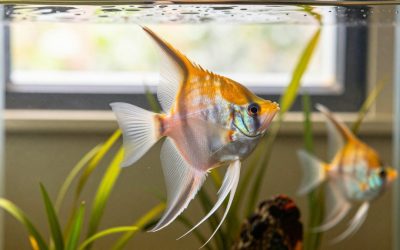
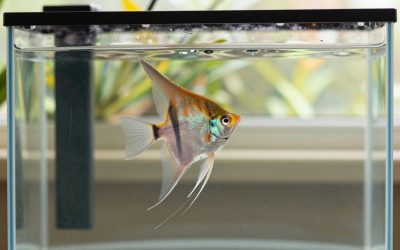
Freshwater angelfish are tall-bodied cichlids that need a tank with enough vertical height to accommodate their distinctive shape and long fins. A single pair does best in a tank of at least 20 gallons tall, and a small group needs considerably more, with 55 gallons or larger being ideal for a community of adults. Angelfish are tropical and thrive in warm, stable water between about 76 and 84°F (24–29°C), with a slightly acidic to neutral pH preferred. Gentle to moderate filtration suits them, since their tall fins are not built for strong currents.
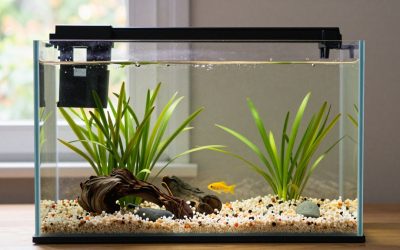
Because angelfish originate from slow, planted waters, they appreciate tall plants, driftwood, and some open swimming space. Live or tall silk plants provide cover and spawning sites and help angelfish feel secure, which reduces skittishness. As with all fish, a fully cycled tank and consistent water quality are essential, maintained through regular partial water changes. Angelfish are relatively hardy once established, but they are sensitive to poor water quality, so stable parameters and clean water are key to keeping them healthy and showing their best color and finnage.
Angelfish Behavior, Tank Mates, and Feeding
Although angelfish are often kept in community tanks, it is important to remember they are cichlids and can become territorial, especially when breeding. They may eat very small fish like neon tetras that fit in their mouths, and they can be nipped by fin-nipping species such as some barbs and serpae tetras, whose long fins are a tempting target. Good tank mates include peaceful, medium-sized community fish like larger tetras, corydoras catfish, and rasboras that are neither tiny enough to be eaten nor inclined to nip fins.
Angelfish often form pairs and can become noticeably more aggressive toward other fish while guarding eggs or fry, so a breeding pair may need their own space. They are omnivores that do well on a varied diet of quality flake or pellet food supplemented with frozen and live foods like bloodworms and brine shrimp, which encourage color and condition. Feed small amounts once or twice a day and remove uneaten food. With an appropriately tall tank, compatible tank mates, stable warm water, and a varied diet, angelfish reward their keepers with elegance, personality, and years of graceful presence in the aquarium.
Related Guides
- Best Fish Tank Stand For 10 Gallon 2026
- Betta Fish Disease Treatment: Best Products Guide
- Best Fish Aquarium Magnet Cleaner 2026
Frequently Asked Questions
How big a tank do angelfish need?
A pair of angelfish needs at least a 20-gallon tall tank, while a group of adults does best in 55 gallons or more. Their tall body shape makes vertical height especially important.
What temperature do angelfish need?
Angelfish are tropical and thrive in stable water between about 76 and 84°F (24–29°C). A slightly acidic to neutral pH and clean, well-filtered water keep them healthy.
What fish can live with angelfish?
Peaceful, medium-sized community fish like larger tetras, corydoras catfish, and rasboras work well. Avoid tiny fish they may eat and fin-nippers like some barbs that target their long fins.
Are angelfish aggressive?
Angelfish are cichlids and can be territorial, particularly when breeding and guarding eggs or fry. Outside of spawning they are generally peaceful enough for a well-chosen community tank.
What do angelfish eat?
Angelfish are omnivores that thrive on a varied diet of quality flake or pellet food plus frozen and live foods like bloodworms and brine shrimp. Feed small amounts once or twice daily.
Can angelfish live with other angelfish?
Yes, angelfish are often kept in groups, though they establish a pecking order and pairs can become territorial when breeding. Providing space and cover helps reduce squabbles within a group.
How long do angelfish live?
With good care, stable warm water, and a quality diet, angelfish commonly live around ten years. Clean water and a stress-free environment help them reach their full lifespan.
Do angelfish need a planted tank?
They are not strictly required, but angelfish appreciate tall plants and driftwood that mimic their natural slow-water habitat. Cover helps them feel secure and provides spawning surfaces.
Final Thoughts
Angelfish are captivating, intelligent cichlids that bring elegance and personality to any aquarium large enough to accommodate them. With stable warm water, compatible tankmates, and a varied diet, a healthy angelfish can live 8 to 12 years in captivity. Take time to plan your tank layout with tall plants like Amazon Swords and Vallisneria to complement their natural aesthetic and provide comfortable territories.
Green Algae in a Fish Tank: Types, Causes and Fixes
Hillstream Loach Care Guide: Setup, Diet, and Cool-Water Needs