Last Updated: October 21, 2026
- Top Picks at a Glance
- Neocaridina vs. Caridina — Choosing Your Shrimp
- Substrate Selection — The Foundation
- Filtration — Flow Rate Matters More Than Filter Type
- Tank Cycling — Never Skip This
- Planting for Shrimp
- Temperature and Heating
- Water Source and Remineralization
- Stocking and Compatibility
- Frequently Asked Questions
- Related Guides
- Related Articles
- Related Guides
- Top Pick: Generic Shrimp Up Aquatics™ 20+ Mixed Color Neocaridina Shrimp Live Freshwater Aquarium Inverts Live Arrival! Mixed
- Best Value: SunGrow 3 Pack Shrimp Cholla Wood, Aquarium Driftwood Decor for Fish Tank Setup, Shelter Hideout and Grazing Surface, Habitat Enrichment for Shrimp Snail Pleco, 6 Inch Branch
- Premium Choice: SF Aquatic™ 20 Mix Neocaridina High Grade Neocaridina Live Freshwater Aquarium Shrimps. Fully Mature Breeding Age. Live Arrival Guarantee.

TL;DR: Shrimp in freshwater tank setups require stable water chemistry above all else. Neocaridina (cherry shrimp) are beginner-friendly at pH 7.0–7.8 and moderate hardness. Caridina (crystal, bee shrimp) need soft, acidic water and are unforgiving of parameter swings. Substrate choice and cycling fully before adding shrimp are non-negotiable.
Shrimp in Freshwater Tank: Complete Setup Tutorial for Neocaridina and Caridina
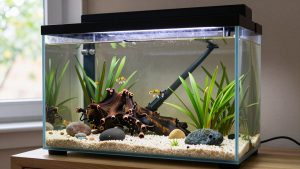
Shrimp tanks look effortless — a densely planted nano tank with a hundred cherry shrimp grazing through moss. Getting there requires understanding what shrimp actually need, which is very different from fish. Shrimp are inverts. They’re sensitive to copper (lethal at trace doses), ammonia (even 0.25 ppm will cause molting failures), and especially to sudden parameter shifts. This guide walks through setup from substrate to stocking.
As an Amazon Associate we earn from qualifying purchases at no extra cost to you.



🛒 Best Price Today on Amazon
Prime members get fast, free shipping on everything above, plus member-only deals. New members get a 30-day free trial — cancel anytime.
Start 30-Day Prime Free Trial →See Today’s Amazon DealsTop Picks at a Glance
Best Substrate



As an Amazon Associate we earn from qualifying purchases. Product prices and availability are accurate as of the date/time indicated.
Best Heater




As an Amazon Associate we earn from qualifying purchases. Product prices and availability are accurate as of the date/time indicated.
Best Thermometer


As an Amazon Associate we earn from qualifying purchases. Product prices and availability are accurate as of the date/time indicated.
Neocaridina vs. Caridina — Choosing Your Shrimp
| Parameter | Neocaridina (Cherry, Blue Velvet, etc.) | Caridina (Crystal Red, Bee, Taiwan Bee) |
|---|---|---|
| pH | 6.8–7.8 | 5.8–6.8 |
| TDS | 150–250 ppm | 100–150 ppm |
| GH | 6–8 dGH | 4–6 dGH |
| KH | 2–8 dKH | 0–2 dKH |
| Temperature | 65–78°F (18–25°C) | 62–74°F (17–23°C) |
| Substrate | Inert substrate fine | Active buffering substrate required |
| Difficulty | Beginner | Intermediate to Advanced |
| Price per shrimp | $2–$6 | $8–$50+ |
Start with neocaridina unless you’re already comfortable with planted tank chemistry. They’re genuinely forgiving. A colony of red cherry shrimp in a well-planted tank will breed prolifically and get you comfortable with the hobby before you spend $30 per shrimp on crystals.
Substrate Selection — The Foundation
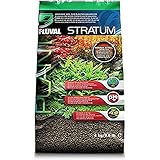
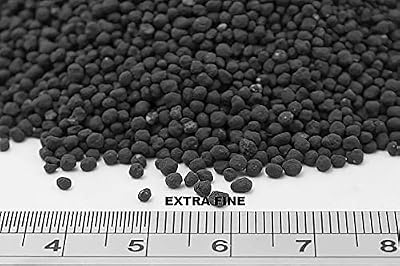
Substrate choice drives your water chemistry. For caridina, this isn’t optional — you need an active buffering substrate that lowers and stabilizes pH in the 6.0–6.8 range. The our aquarium substrate planted tank guide is a popular choice because it buffers pH reliably, has good cation exchange capacity (CEC) for plant nutrients, and doesn’t compact aggressively.
For neocaridina, inert substrates (pool filter sand, plain gravel, Eco-Complete) work fine — they don’t affect chemistry so you manage pH and hardness through your source water and possibly crushed coral. Active substrates will pull pH too low for neos unless you’re careful.
Layer depth: 2–3 inches minimum. Shrimp don’t dig deep but beneficial bacteria colonize the substrate, and shallow substrate can develop dead zones.
Filtration — Flow Rate Matters More Than Filter Type
The biggest mistake in shrimp tanks: using a filter with an intake that vacuums up baby shrimp (shrimplets). Shrimplets are tiny — 1–2mm when born. An unguarded HOB or canister intake will eat your entire next generation.
Solutions:
- Sponge filter — the classic choice; gentle flow, colonizes with beneficial bacteria shrimp graze on, no intake risk. Runs on air pump.
- Canister filter with pre-filter sponge — best of both worlds if you need more filtration. The Fluval 207 Canister Filter Review paired with a pre-filter sponge is a solid upgrade for larger shrimp colonies.
- HOB with covered intake — wrap the intake with a coarse sponge or purpose-built guard
Flow: aim for 4–6x tank volume per hour turnover. Shrimp don’t like strong current — they’ll hide and stop foraging if the flow is too intense. In planted tanks, flow supports gas exchange and nutrient distribution without stressing shrimp.
Tank Cycling — Never Skip This
Shrimp are far less tolerant of ammonia and nitrite than most fish. A tank showing 0.25 ppm ammonia will cause molting failures in shrimp — you’ll find dead shrimp that tried to molt and couldn’t complete the process (the “white ring of death”). Full nitrogen cycle establishment before adding any shrimp.
How to know the cycle is complete: ammonia reads 0, nitrite reads 0, nitrate is detectable (proves bacteria are converting through the full cycle). Add a small ammonia source (fish food, pure ammonia drops), wait 24 hours, test — if both ammonia and nitrite return to 0 within 24 hours, the cycle is established.
For active substrate tanks: the substrate often causes an ammonia spike during initial setup (from organic matter leaching). This can extend cycling to 6–8 weeks. Don’t rush it.
Planting for Shrimp
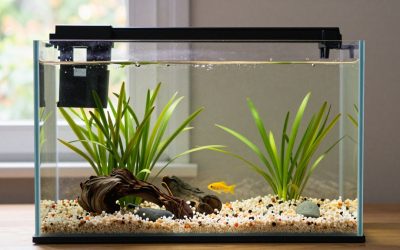
Plants serve several functions in a shrimp tank beyond aesthetics. Dense plant growth stabilizes water chemistry (consuming nitrate, producing O2), provides cover that reduces shrimp stress and increases breeding confidence, and — critically — grows biofilm that shrimp constantly graze on. Biofilm on plant surfaces is a primary food source.
Best shrimp plants:
- Java moss, Taxiphyllum species — grows biofilm quickly, shrimplets hide in it, very forgiving
- Christmas moss, Flame moss — denser texture, holds biofilm well
- Anubias — broad leaves grow biofilm sheets; shrimp visibly prefer grazing these
- Bucephalandra — slow-growing, incredible biofilm production, no CO2 needed
- Stem plants (Rotala, Ludwigia) — fast nitrate uptake, good if you’re managing water quality in a dense colony
Check our the head-to-head breakdown for shrimp-compatible lighting that supports moss and slow-growing plants without triggering algae outbreaks.
Temperature and Heating
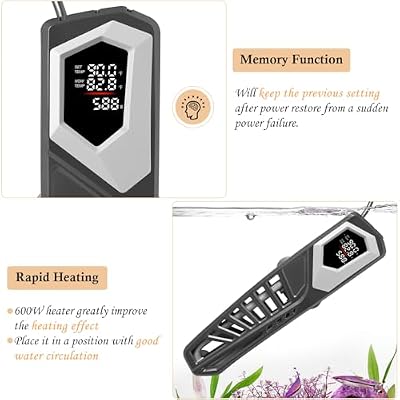
Neocaridina thrive at room temperature in most homes (68–74°F). In winter or climate-controlled rooms running cold, a heater becomes necessary. Stability is more important than the exact temperature — a tank that swings 5°F daily will stress shrimp more than one that holds steady at 74°F. A reliable thermometer (like the ZACRO digital unit) lets you spot temperature instability before it becomes a problem.
Caridina prefer cooler temps (62–72°F) — actually harder to maintain in summer in warm climates. Some keepers use small fans blowing across the water surface for evaporative cooling, or small aquarium chillers.
Water Source and Remineralization
Caridina shrimp almost universally require RO (reverse osmosis) water remineralized to target parameters. Tap water is too variable and often too hard. You add back specific mineral salts to hit your target TDS and GH/KH.
Neocaridina are more flexible — many tap water sources work directly after dechlorination. If your tap water is very hard (GH above 15) or has high copper (check your municipal report), diluting with RO water and remineralizing to target is the safer approach.
Stocking and Compatibility
Shrimp tanks work best as shrimp-only or shrimp-with-compatible-nano-fish. Any fish large enough to fit a shrimp in its mouth will eat shrimp. Even “peaceful” fish like bettas and gouramis will pick off shrimp given the opportunity.
Compatible tank mates:
- Otocinclus catfish (excellent algae eaters, too small to bother shrimp)
- Ember tetras, chili rasboras (under 1 inch, rarely bother adult shrimp)
- Nerite snails (cleanup crew, don’t eat shrimp)
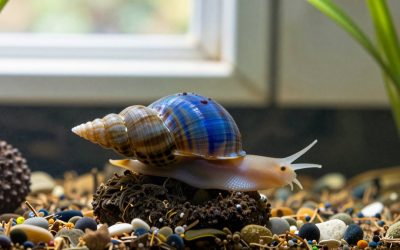
- Ramshorn snails (biofilm grazers alongside shrimp)
Starting density: 10–15 neocaridina per 5 gallons. They’ll breed up quickly to a self-regulating colony. The tank will find its carrying capacity.
Frequently Asked Questions
Why do my shrimp keep dying after molting?
Most likely a GH deficiency (shrimp can’t form a new exoskeleton without calcium and magnesium) or ammonia/nitrite present in the water. Test both. If GH is below 6 for neos, remineralize. The “white ring of death” — a white band around the shrimp’s abdomen — confirms a failed molt.
How often should I do water changes in a shrimp tank?
10–15% weekly is standard. More important than volume is matching the replacement water’s temperature and parameters to the tank exactly before adding it. Cold water hitting a warm shrimp tank is a common cause of spontaneous molts and deaths. Always drip-acclimate new water in sensitive setups.
Can I keep cherry shrimp with plants that need CO2?
Yes, but CO2 injection lowers pH. If you’re injecting heavily and pH drops below 6.5 during the photoperiod, that’s stressful for neocaridina. Either keep CO2 modest (pH shouldn’t drop more than 0.5–0.7 from baseline), or shift to a low-tech planted setup. See our learn about co2 aquarium system beginner setup for dialing in safe CO2 levels.
What’s the minimum tank size for shrimp?
Technically 2.5–5 gallons works for a small neocaridina colony, but smaller tanks are harder to keep stable. A 10-gallon is the sweet spot — enough water volume to buffer parameter swings, still small enough to be a dedicated nano setup.
Do freshwater shrimp need a heater?
Neocaridina don’t strictly need one if your room stays above 65°F year-round. Caridina prefer cooler temps and sometimes need cooling rather than heating. But for most homes with central heating/AC, a small heater set to maintain 70–72°F provides the stability shrimp need without overheating them.
Related Guides
- learn about aquarium substrate planted tank guide
- Aquarium Led Light Planted Comparison
- our pick for betta fish aquarium heater
Freshwater Crayfish Care Guide: Setup, Feeding, and Tank Mate Tips
Tetra Whisper vs Aqueon Quietflow Filters: Top Compared Pick