Last Updated: October 9, 2026
As an Amazon Associate we earn from qualifying purchases at no extra cost to you.



🛒 Best Price Today on Amazon
Prime members get fast, free shipping on everything above, plus member-only deals. New members get a 30-day free trial — cancel anytime.
Start 30-Day Prime Free Trial →See Today’s Amazon DealsQuick Picks: Best Live Plants for Beginner Freshwater Aquariums at a Glance
Why Trust Our Picks?
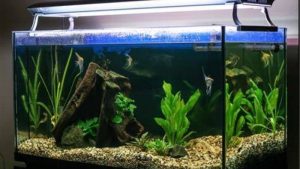
Live plants transform an aquarium from a glass box into a functioning ecosystem — they absorb harmful ammonia and nitrates, produce oxygen, reduce algae by competing for nutrients, and provide critical cover and enrichment for fish. We selected these beginner plants based on light and CO2 requirements (low — no special equipment needed), tolerance of a wide range of water parameters, resistance to common beginner mistakes like inconsistent fertilization, and availability from reputable online sellers. All three are widely kept, extensively documented, and available year-round.
Buying Guide: What to Look for When Buying Beginner Aquarium Plants
When purchasing live aquarium plants online or from a local fish store, inspect for healthy green color, firm leaves without holes or black spots, and no signs of melting or brown decay. Avoid plants that have been stored in non-aquatic conditions or under very bright store lighting without water. For beginner plants, prioritize species labeled as low-light and no-CO2 required — this eliminates the need for additional equipment and reduces the learning curve. Adding a basic all-in-one liquid fertilizer like Seachem Flourish or Easy Green at half the recommended dose weekly gives even the most undemanding plants the micronutrients they need to thrive in a filtered tank without fish waste as a sole nutrient source.
Frequently Asked Questions
Do I need special substrate for live aquarium plants?
For rhizome plants like java fern and anubias, no substrate is needed at all — they attach to hardscape and draw nutrients from the water column. For stem plants and rooted plants, a plain gravel or sand substrate works fine with liquid fertilization. Nutrient-rich planting substrates like ADA Aqua Soil or CaribSea Eco-Complete benefit heavy root-feeding plants but are unnecessary for most beginner species.
How much light do beginner aquarium plants need?
Low-light plants like java fern, anubias, and java moss thrive under basic aquarium LED lights running 6 to 8 hours per day. A light producing 20–40 lumens per liter is adequate for these species. Avoid running lights more than 10 hours per day as longer photoperiods promote algae growth without benefiting low-light plants. A timer is the simplest way to maintain a consistent light schedule.
Why are my new aquarium plants melting?
Melting — the sudden die-off and browning of leaves shortly after introduction — is extremely common and usually temporary. Most commercially grown aquatic plants are cultivated above water in nurseries and must transition to fully submerged growth, during which they shed their aerial leaves and grow new aquatic-form leaves. Allow two to four weeks before removing plants you think have failed; new growth emerging from healthy rhizomes or stem nodes is a reliable sign of successful adaptation.
Will live plants work in a tank with fish that eat plants?
Tough-leafed plants like anubias and java fern are specifically recommended for tanks with herbivorous or destructive fish because their texture and reportedly bitter compounds deter most plant-eaters. Goldfish, larger cichlids, and silver dollars will typically ignore these plants while destroying softer species. Fast-growing plants like hornwort can also outpace damage from light nibblers by growing back faster than they can be eaten.
Do live plants help control algae in an aquarium?
Yes — healthy, growing aquatic plants compete with algae for the same nutrients (nitrates, phosphates, CO2) and light. A heavily planted tank with vigorous plant growth is one of the most effective long-term algae control strategies available. Fast-growing plants like hornwort are especially effective at starving algae of nutrients. The key is ensuring plants are actually growing actively; struggling plants in poor conditions provide minimal competitive advantage over algae.
Final Verdict
Java fern is the single best first live plant for any beginner freshwater aquarium — its tolerance of low light, neglect, and almost any water condition makes it nearly impossible to kill while delivering the genuine biological and aesthetic benefits of live plants. Pair it with an anubias for a full, lush aquascape that requires minimal maintenance, and add a bunch of hornwort if fast-growing water quality improvement is a priority during your tank’s early cycling period. All three plants together cost less than most artificial plastic plants and deliver far greater value to your tank’s ecosystem.
Related Guides
- Quick Picks: Best Equipment for a Goldfish Tank at a Glance
- Best Betta Fish Aquarium Heater 2026
- Quick Picks: Best Equipment for a Freshwater Shrimp Tank
- Turtle Basking Platform
Related Reviews & Guides


Betta Leaf Hammock Rest Pad

Quick Picks: Goldfish Tank Setup Beginner Guide