Last Updated: October 9, 2026

TL;DR: A turtle basking platform lets your turtle fully dry off under a heat lamp, which is critical for shell health and thermoregulation. Choose a platform that supports the turtle’s full body weight, stays stable under strong swimmers, and is easy to clean weekly.
Turtle Basking Platform: Best Aquarium Setups for Happy, Healthy Turtles
Without a proper basking platform, a turtle cannot regulate its body temperature, cannot synthesize vitamin D3 from UVB light, and cannot dry its shell — leading to shell rot within weeks. A basking platform is not optional equipment; it is as fundamental to turtle husbandry as clean water. This guide covers every type, how to size one correctly, and what to look for to avoid common failures.
As an Amazon Associate we earn from qualifying purchases at no extra cost to you.


🛒 Best Price Today on Amazon
Prime members get fast, free shipping on everything above, plus member-only deals. New members get a 30-day free trial — cancel anytime.
Start 30-Day Prime Free Trial →See Today’s Amazon DealsWhy Turtles Need a Basking Platform
Turtles are ectotherms. They rely on external heat sources to digest food, activate immune function, and control metabolic rate. A basking area directly under a heat lamp raises the turtle’s core temperature to 85–95°F — the optimal range for most aquatic species including red-eared sliders, painted turtles, and map turtles. Without this daily thermal cycling, turtles become lethargic, stop eating, and develop respiratory infections.
The basking surface must allow complete drying of the shell. Persistent dampness creates the warm, dark environment that shell rot fungi thrive in. A ramp or gradual slope helps turtles exit the water without stress on their joints — especially important for hatchlings and older animals.
Top Turtle Basking Platforms




As an Amazon Associate we earn from qualifying purchases. Product prices and availability are accurate as of the date/time indicated.


As an Amazon Associate we earn from qualifying purchases. Product prices and availability are accurate as of the date/time indicated.


As an Amazon Associate we earn from qualifying purchases. Product prices and availability are accurate as of the date/time indicated.
Basking Platform Specs
| Spec | Recommended Value | Notes |
|---|---|---|
| Platform surface area | 1.5× turtle body length each side | Larger = less competition in multi-turtle tanks |
| Platform height above water | 2–4 inches | Prevents water splash wetting the basking surface |
| Ramp angle | 30–45 degrees | Steeper angles stress hatchlings |
| Load capacity | 2× turtle’s weight minimum | Account for lunging exits from water |
| Surface texture | Rough / grippy | Smooth surfaces cause slipping and injury |
| Material | Resin, polypropylene, or slate | No untreated wood — absorbs bacteria |
| Cleaning frequency | Weekly | Scrub with reptile-safe disinfectant |
Types of Turtle Basking Platforms
Floating Platforms
Floating platforms attach to the tank wall via suction cups and adjust automatically with water level. They are ideal for tanks where the water level changes during water changes or evaporation. The downside: suction cups fail over time and strong swimmers can dislodge them. Check cups weekly and replace annually.
Fixed Ramp Platforms
Fixed ramps sit on the tank floor with a ramp leading up to a basking shelf above the waterline. They are more stable than floating types and better for large turtles that generate significant water turbulence. The trade-off is reduced water volume beneath the ramp, which can create low-flow dead zones — counteract with a powerhead or return nozzle directed underneath.
DIY Platforms
Egg crate light diffuser (polypropylene grid) cut to size and zip-tied into a shelf structure is a popular, cheap DIY option. Pair with cork bark for a natural aesthetic. Ensure all cuts are sanded smooth — sharp edges cut turtle feet.
Multi-Turtle Tanks: Managing Basking Competition
In tanks housing more than one turtle, basking platform real estate becomes a social resource. Dominant turtles block subordinates from the basking area for hours at a time — a serious welfare issue because the subordinate animal cannot thermoregulate or dry its shell. The solution is simple: provide at least one platform per turtle, plus one extra. Position platforms at different heights and locations to reduce direct competition and allow simultaneous basking without line-of-sight confrontation between animals.
Observe your turtles during the first two weeks after adding a new platform. If one animal is consistently excluded from all basking spots, it may be necessary to separate into individual enclosures, or add a room divider structure that allows multiple basking zones invisible to each other. Social hierarchy in aquatic turtles is real and persistent — rearranging decor occasionally disrupts established dominance and gives lower-ranked animals a temporary reprieve.
Combining a Turtle Basking Platform with Aquascaping
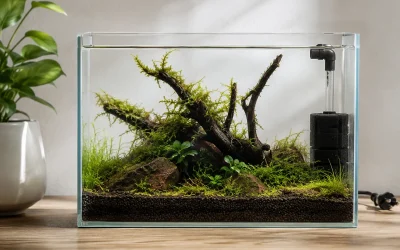
Turtle tanks and aquascaping seem incompatible — turtles are notorious plant destroyers — but many keepers successfully combine both with the right plant selection and hardscape strategy. Hardy species like Java fern, anubias, and hornwort tolerate turtle grazing and recover quickly. The basking platform itself can be incorporated into the aquascape as a natural-looking rock formation or driftwood structure rather than a plastic accessory.
Secure hardscape elements with aquarium-safe silicone (see our silicone sealant guide) to prevent turtles from toppling stacked rocks, which can crack the tank floor or injure the animals. A siliconed basalt stone ramp leading to a natural slate platform creates a functional, naturalistic basking area that doubles as aquascape hardscape. Black silicone is nearly invisible against dark stone and keeps the aesthetic clean.
Basking Area Heat and UVB Setup
The basking platform is only as effective as the lighting above it. Position a 50–100W basking bulb 8–12 inches above the platform surface to achieve 88–95°F at the turtle’s shell level. A separate UVB bulb (10.0 for most aquatic turtles) should overlap the basking zone — UVB does not penetrate glass, so the turtle must be directly under the tube or compact bulb.
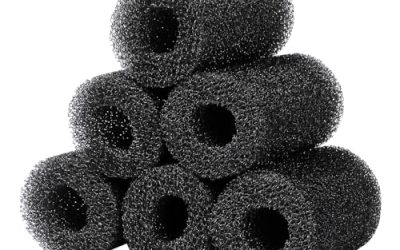
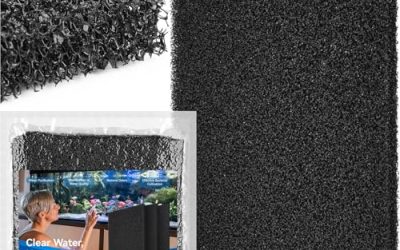
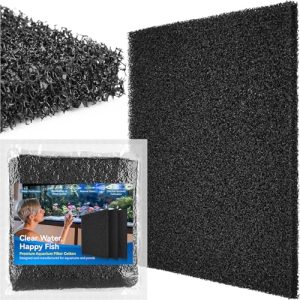
Water quality matters as much as the dry side. Turtle tanks require robust filtration — see our guide on filter floss and polish pads for handling the heavy waste loads turtles produce. For persistent cloudiness even after good filtration, our aquarium water clarifier guide offers chemical polishing solutions safe for reptile tanks.
Frequently Asked Questions
How big should a turtle basking platform be?
The platform should be large enough for the turtle to fully haul out and spread all four limbs without any part hanging over the edge. As a rule: the platform surface area should equal at least 1.5 times the turtle’s shell length on each side. In multi-turtle setups, every animal needs room to bask simultaneously — dominance hierarchies mean the subordinate turtle will skip basking if space is contested.
Can turtles bask on rocks in an aquarium?
Natural slate or smooth river stones partially above the waterline work, but they have drawbacks: slippery when wet, difficult to clean, and hard to position at the correct height. If using rocks, secure them with aquarium-safe silicone (see our silicone sealant guide) to prevent collapse. Always verify the combined weight does not exceed your tank’s structural capacity.
Why is my turtle not using the basking platform?
Common reasons: the ramp is too steep for easy access, the basking temperature is too low (below 85°F) or too high (above 95°F), the platform wobbles and startles the turtle, or the turtle is new and still acclimating. Check surface temperature with an infrared thermometer. New turtles often take 2–4 weeks to start using a platform confidently.
What material is safest for a turtle basking platform?
Food-grade polypropylene, high-density polyethylene (HDPE), and resin are safest — non-porous, easy to disinfect, and chemically inert under heat lamps. Avoid PVC with plasticizers, painted wood, and metals that can rust. Natural cork bark is safe and popular for aesthetics but absorbs bacteria over time and needs replacement every 12–18 months.
How often should I clean a turtle basking platform?
Weekly at minimum. Turtles defecate on basking surfaces regularly. Scrub with a reptile-safe disinfectant or a 1:10 bleach solution, rinse thoroughly, and allow to dry fully before returning to the tank. Biofilm buildup on a basking surface can cause dermatitis on turtle plastrons with prolonged contact.
Ready to decide? Our #1 pick for 2026 is the Platform surface area.
Live price & availability on Amazon.
Related Reviews & Guides
8 Best Aquarium Pumps for Water Changes (Portable & Powerful)
How to Choose Freshwater Test Kit in 2026: What Actually Matters