Last Updated: October 4, 2026
- Top Pick: DISCUS FISH HANDBOOK: The Complete Guide to Discus Fish – Feeding, Tank Setup, Breeding, Disease Prevention, and Color Enhancement for Hobbyists
- Best Value: The Complete Guide to Discus Fish: Care, Feeding, Breeding, Tank Setup, and Health for Healthy, Vibrant Discus
- Premium Choice: THE BEGINNER’S GUIDE TO DISCUS FISH: A Complete Step-by-Step Handbook for Beginners on Discus Fish Care, Tank Setup, Feeding, Water Management, Health, and Long-Term Success in Freshwater Aquariums
As an Amazon Associate we earn from qualifying purchases at no extra cost to you.


TL;DR: Discus fish require warmer water than almost any other freshwater species (82–88°F), pristine water quality with very low hardness, and a high-protein diet fed multiple times daily. Tank setup must prioritize powerful filtration, frequent water changes, and a heated, soft-water environment. Bare-bottom tanks are standard among serious discus keepers for cleaning ease. Substrate options work only with meticulous maintenance. Best pick: ASIN B08J6DRNNQ.
Discus Fish Tank Setup: Complete Equipment Guide 2026
Discus (Symphysodon spp.) are widely regarded as the most demanding freshwater aquarium fish available to hobbyists — the “King of the Aquarium” designation is earned by their exceptional visual impact and equally exceptional care requirements. Native to the warm, soft, acidic blackwater tributaries of the Amazon basin, discus evolved in conditions that most standard aquarium setups cannot replicate without deliberate equipment choices: water temperatures of 82–88°F that stress most other tropical fish, extremely low total dissolved solids, near-neutral to slightly acidic pH, and pristine water quality that zero-tolerates ammonia or nitrite spikes. Getting the setup right before purchasing fish is not optional — discus are expensive, stress-sensitive, and disease-prone in suboptimal conditions. This complete equipment guide covers every component of a successful discus tank from the ground up.
🛒 Best Price Today on Amazon
Prime members get fast, free shipping on everything above, plus member-only deals. New members get a 30-day free trial — cancel anytime.
Discus Tank Parameters: What You Must Achieve
Before selecting equipment, understand the target parameters your system must maintain consistently:
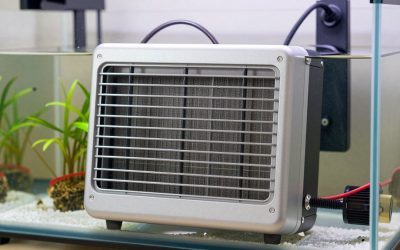
- Temperature: 82–88°F (28–31°C). This is non-negotiable. Below 80°F, discus become lethargic, immune-suppressed, and disease-vulnerable. Above 90°F, dissolved oxygen drops to stressful levels. A 300-watt titanium heater with an independent controller (not the built-in thermostat alone) provides the temperature stability discus require — cheap heaters with 2–3°F variance are inadequate.
- pH: 6.0–7.0, ideally 6.5 for captive-bred discus. Wild-caught specimens prefer 6.0–6.5. Most captive-bred discus from reputable breeders adapt to neutral pH, but hard alkaline water consistently above pH 7.5 causes chronic stress.
- Hardness: Under 8 dGH (soft water). Discus struggle in hard, mineral-rich tap water. RO (reverse osmosis) water remineralized to 50–100 TDS with a discus-specific mineral supplement is the gold standard. Tap water works only if your source is naturally soft.
- Ammonia/nitrite: 0 ppm at all times. No exceptions. A fully cycled tank with a generous biological filter load is mandatory before introducing any discus. See our tank cycling beginner guide to confirm complete cycling before stocking.
- Nitrate: Under 20 ppm. Discus are more nitrate-sensitive than most freshwater fish. Frequent water changes (25–30% every 2–3 days) are standard practice, not a corrective measure.
Top Pick: Discus Tank Substrate and Equipment
BEST SUBSTRATE
Fluval Cichlid Stratum Aquarium Substrate


As an Amazon Associate we earn from qualifying purchases. Product prices and availability are accurate as of the date/time indicated.
BEST HEATER
Inkbird IBS-M1 Aquarium Thermostat Controller



As an Amazon Associate we earn from qualifying purchases. Product prices and availability are accurate as of the date/time indicated.
BEST FILTER
Fluval 407 Performance Canister Filter



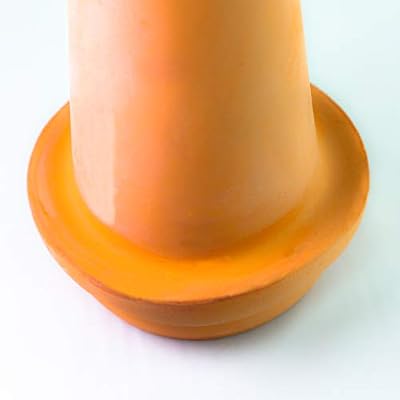
As an Amazon Associate we earn from qualifying purchases. Product prices and availability are accurate as of the date/time indicated.
Discus Tank Equipment Spec Comparison
| Equipment | Recommended Spec | Why It Matters for Discus | Budget vs Premium |
|---|---|---|---|
| Tank size | 55 gal minimum (75+ ideal) | Discus are 6–8in diameter; need swimming room and stable water volume | Larger = more stable = easier |
| Heater | 300W titanium + external controller | High temp (85°F) requires reliable precision; built-in stats drift | Do not cut corners here |
| Filter | Canister rated 5–8x tank volume/hr | Heavy bioload from frequent high-protein feeding; zero ammonia tolerance | Fluval 307/407, Eheim Classic |
| Substrate | Fine sand or bare bottom | Waste accumulates in coarse gravel; discus are benthic waste producers | Fluval Stratum or pool filter sand |
| Water source | RO + remineralizer | Soft, low-TDS water essential for long-term health and breeding | BRS RO/DI unit + Seachem Equilibrium |
| Lighting | Low-moderate (2–4 watts/gal) | Discus are shy; intense light causes stress and hiding behavior | Any quality LED on low setting |
Filtration Strategy for Discus Tanks
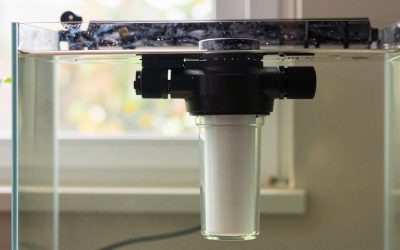
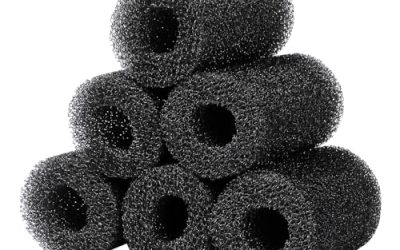
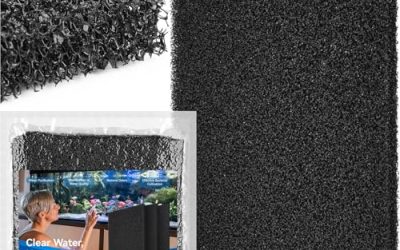
Discus produce significant bioload, eat high-protein foods multiple times daily, and cannot tolerate the ammonia spikes that most other cichlids would survive. Filtration must be oversized relative to tank volume — a 75-gallon discus tank needs filtration rated for 150–300 gallons to maintain the biological capacity required. Canister filters are preferred because they offer large biological media volume, minimal disturbance to the discus from equipment inside the tank, and easy maintenance without tank disruption. The Fluval 307 or 407 paired with a sponge pre-filter to protect the ceramic media from clogging is the standard recommendation among experienced discus keepers.
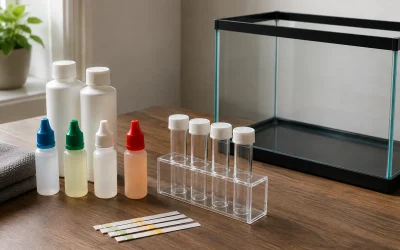
Water change frequency matters as much as filtration capacity. Most successful discus keepers perform 25–50% water changes every 2–3 days — not weekly as with most freshwater setups. An automatic water change system using a continuous drip from an RO reservoir dramatically simplifies this maintenance burden and keeps nitrates consistently low without the stress of sudden large water chemistry shifts. For complete water quality management in a high-maintenance setup, the aquarium water test kit guide helps you choose testing equipment with the frequency and accuracy discus demand. See also our ammonia neutralizer guide for emergency water quality management during cycling and the new fish introduction window when ammonia risk is highest. For setting up an automatic drip water change system that keeps discus water pristine with minimal daily effort, the auto water change aquarium system guide covers everything you need.
Frequently Asked Questions
What is the minimum tank size for discus fish?
The practical minimum for a small group of 4–6 discus is 55 gallons, but 75 gallons is strongly preferred. Adult discus reach 5–8 inches in diameter and are active swimmers that need horizontal swimming space. More importantly, larger water volume buffers against the rapid water quality changes that stress discus — a parameter swing that causes minor stress in a 75-gallon is a crisis in a 29-gallon. Never keep discus in tanks under 40 gallons regardless of group size.
Can discus be kept with other fish?
Yes, with careful selection. Discus tank companions must tolerate 82–86°F water — this immediately eliminates most common tropical fish whose upper comfortable range is 78–80°F. Safe companions include cardinal tetras, rummy-nose tetras, German blue rams, corydoras sterbai (one of the few corys comfortable at high temperatures), and Apistogramma species. Avoid any fish large enough to compete with discus for food, any aggressive fin-nippers, and any species that prefers cooler water. A species-only discus tank is the simplest and safest approach for beginners to the species.
How often should discus be fed?
Adult discus should be fed 3–5 times daily in small portions — more frequent feedings than most freshwater fish because discus have short digestive tracts adapted to continuous foraging in the wild. High-protein foods (frozen bloodworms, beef heart mix, high-quality pellets) fed in amounts consumed within 2–3 minutes per feeding. Juvenile discus under 4 inches require 6–8 feedings daily for proper growth. Uneaten food must be siphoned immediately — discus are highly sensitive to decaying food-related ammonia spikes at their preferred high temperature, where bacterial decomposition accelerates significantly.
Is bare bottom or substrate better for a discus tank?
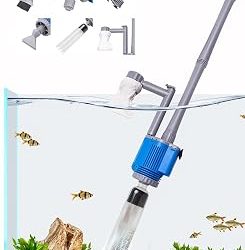
Bare bottom is the standard recommendation for serious discus keepers for one reason: cleaning efficiency. Discus produce substantial waste from multiple daily feedings, and waste trapped in substrate drives nitrite spikes that stress or kill discus. A bare-bottom tank allows waste to be seen and siphoned completely within minutes. Substrate tanks require either very fine sand (easy to vacuum) or active substrate like Fluval Stratum, and demand daily spot-cleaning. For display tanks where aesthetics matter, fine sand at 1-inch depth with daily maintenance is workable. For breeding or grow-out tanks, bare bottom is nearly universal among experienced breeders.
Do discus need a specific pH for long-term health?
Captive-bred discus from reputable breeders are conditioned to a range of pH values from approximately 6.0 to 7.2. The key is stability — a discus that has lived its whole life at pH 7.0 will handle that pH perfectly well, while the same fish moved to pH 6.2 overnight will experience osmotic stress. Match your water changes to your existing tank pH, use RO water to reduce hardness rather than acidifying chemicals, and prioritize consistency over chasing the “ideal” blackwater parameters unless you are breeding wild-caught specimens that genuinely require it.
Related Guides
- Freshwater Snail Pest Trap
- Betta Leaf Hammock Rest Pad
- Best Filter for Betta Fish: Gentle Flow Picks (2026)
- Quick Picks: Best Equipment for a Freshwater Shrimp Tank
Ready to decide? Our #1 pick for 2026 is the Tank size.
Live price & availability on Amazon.
Related Reviews & Guides


6 Best Freshwater Aquarium Water Test Kits 2026
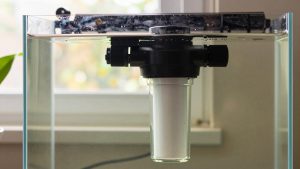
Is a Canister Filter Worth It Freshwater? An Honest Answer (2026)