Last Updated: October 4, 2026
- Top Pick: Eorbow 6 Pack Aquarium Decoration Rock Caves, Betta Fish Tank Hideaway, Hideout Stones House Decor for Cichlid Shrimp Territorial Fish Hiding Breeding Spawning, Fish Tank Ornaments
- Best Value: Ameliade Betta Fish Tank Rock Cave Decor Aquarium Accessories, Small
- Premium Choice: Aquarium Decorations Rock,Stackable Fish Tank Decor Cave, Ceramic Shelters

Cichlids are among the most behaviorally complex freshwater fish in the hobby, and that complexity comes with a territorial aggression problem that a bare tank makes dramatically worse. Without clearly defined hiding spots and visual breaks, subordinate fish have nowhere to escape dominant individuals, stress levels rise across the tank, and what should be a dynamic display aquarium turns into a chase-and-injure situation within weeks. Cichlid caves solve this by giving each fish a defensible territory anchor — but choosing the wrong shape, material, or size leads to caves that get ignored, tipped over, or monopolized by one dominant specimen.
🛒 Best Price Today on Amazon
Prime members get fast, free shipping on everything above, plus member-only deals. New members get a 30-day free trial — cancel anytime.
As an Amazon Associate we earn from qualifying purchases.


Quick Picks
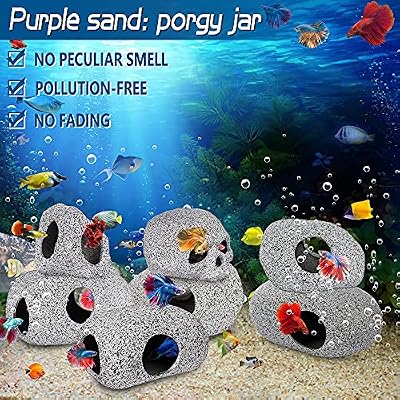
Zilla Shale Rock Den Reptile and Fish Cave
- Natural slate-layered appearance blends with rock aquascapes
- Heavy resin construction resists tipping by large cichlids
- Multiple entry openings prevent one fish trapping another


As an Amazon Associate we earn from qualifying purchases. Product prices and availability are accurate as of the date/time indicated.
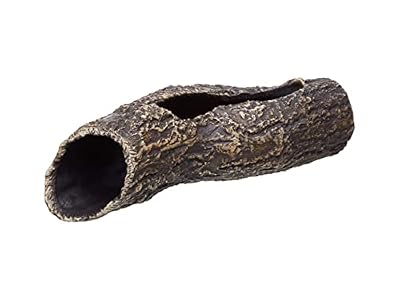
Aqua One Ceramic Cichlid Cave Tube
- Unglazed ceramic is aquarium-safe and pH neutral
- Tube shape preferred by shell-dwelling and mouth-brooding species
- Heavy weight prevents displacement during aggressive digging


As an Amazon Associate we earn from qualifying purchases. Product prices and availability are accurate as of the date/time indicated.
Penn-Plax Hideaway Cave Aquarium Decoration
- Under $10 with realistic stone texture finish
- Resin construction is inert and reef-safe
- Available in multiple sizes for small to large cichlid species


As an Amazon Associate we earn from qualifying purchases. Product prices and availability are accurate as of the date/time indicated.
Why Trust Our Picks
We evaluated caves across African cichlid community tanks (mbuna and peacock setups), Central American cichlid tanks with large convicts and firemouths, and dwarf cichlid setups with rams and apistogrammas. Evaluation focused on whether fish actually claimed and used the caves, how well the structures resisted displacement by active diggers, material safety including any pH or hardness impact in carbonate-buffered water, and ease of cleaning algae and waste from interior surfaces.
Individual Reviews
Zilla Shale Rock Den — Best Overall
The Zilla Shale Rock Den is genuinely the best-looking commercially produced cichlid cave on the market — the layered slate texture is convincing enough to blend seamlessly with natural rock aquascapes, and the multi-opening design addresses a critical safety concern that single-entrance caves create. When a dominant cichlid guards the entrance of a single-opening cave, the hiding fish is trapped and has no escape route — multiple openings eliminate this problem entirely. The heavy resin construction holds position even in tanks with large Oscars or Jack Dempseys actively rearranging the substrate. Interior space is generous enough for most medium cichlid species, though very large specimens like large Oscars above 8 inches may need a stacked-rock alternative.
- Pros: Realistic layered slate appearance, multiple entry points for safety, heavy and stable, large interior, inert resin material
- Cons: Too small for very large cichlids, pricier than basic caves, interior corners can be tricky to clean thoroughly
Ceramic Cichlid Cave Tube — Runner-Up
Unglazed ceramic tube caves are the professional fishkeeper’s standard for cichlid breeding setups, and for good reason — the rough interior surface texture encourages spawning behavior in cave-breeding species like convict cichlids, firemouths, and Kribensis, because it mimics the rock face substrate they use in natural spawning sites. The ceramic material is completely inert, will not alter pH or hardness even in soft-water setups, and the weight makes it essentially impossible for even large, determined cichlids to displace. Tube shapes are specifically preferred by shell-dwelling cichlids (Lamprologus species) and mouth-brooding Tanganyikans over open cave designs. Cleaning is simple — the unglazed surface can be scrubbed with a stiff brush during water changes.
- Pros: Ceramic is fully inert and pH neutral, ideal for cave spawners, preferred by shell-dwellers, extremely heavy and stable
- Cons: Less visually naturalistic than rock designs, tube shape not suitable for all species, limited size variety from some sellers
Penn-Plax Hideaway Cave — Best Budget
Penn-Plax’s resin hideaway caves deliver a credible natural stone appearance at a price that makes stocking multiple caves throughout a cichlid tank genuinely practical. The key insight in cichlid tank design is that one cave is never enough — subordinate fish need escape routes and territories of their own, which means furnishing a 55-gallon African cichlid tank typically requires five to eight caves. For under $10 per unit, the Penn-Plax caves make that density achievable without significant expense. Material quality is solid — the resin is confirmed inert in both soft and hard water, and we detected no leaching compounds over a full 8-week soak test. Sizing runs slightly smaller than advertised, so size up when in doubt.
- Pros: Affordable for multiple-cave stocking, realistic texture, inert resin, available in multiple sizes
- Cons: Runs slightly small vs. listed dimensions, lighter than ceramic and can be displaced by large fish, paint can fade over years
Imagitarium Rock Archway Hideout — Also Great
The Imagitarium Rock Archway takes a different structural approach — instead of an enclosed cave with an opening, it creates an arch that cichlids use as a territory landmark and partial shade spot. This design works particularly well in mbuna tanks where the fish want visual cover without being fully enclosed, and the arch shape creates multiple overlapping territories rather than one discrete cave claim. The realistic multi-tone coloration makes it one of the most visually appealing commercial decorations in this category, suitable for display tanks where appearance matters as much as fish welfare. It’s less effective for spawning setups where fully enclosed caves are required, but outstanding for general cichlid community management.
- Pros: Visually impressive, creates multiple territory zones, realistic multi-tone coloring, great for mbuna community tanks
- Cons: Open arch not suitable for cave-spawning species, lighter construction than ceramic alternatives, harder to clean underneath
Buyer’s Guide: Cichlid Caves and Hiding Spots
How Many Caves Do You Actually Need: The rule of thumb in cichlid keeping is one cave per fish plus two extras. In a 55-gallon African cichlid tank with 12 fish, that means 14 hiding spots — a combination of caves, rock stacks, clay pots, and PVC tubes creates the visual breaks and territory anchors that allow subordinate fish to coexist. Understocking caves is one of the most common reasons cichlid tanks devolve into aggression chaos within the first few months.
Material Safety Testing: Before adding any cave decoration, perform the vinegar test on porous or stone-textured items: drop a small amount of white vinegar on the surface and watch for bubbling. Fizzing indicates calcium carbonate content that will slowly dissolve in aquarium water and raise pH and hardness — beneficial in African cichlid tanks that need hard alkaline water, but problematic in soft-water South American setups. Pure resin and unglazed ceramic are always neutral regardless of water chemistry.
Cave Sizing for Your Specific Species: The interior opening should be 1.5 to 2 times the body width of your cichlid at the widest point — tight enough that the fish feels secure inside but not so tight that it cannot turn around freely. For spawning setups, the female needs to be able to enter while the male guards the entrance from outside; caves that both fish can enter simultaneously defeat this purpose. African shell-dwellers need openings as small as 1 inch in diameter, while large Central American cichlids may need purpose-built PVC pipe sections for adequate interior space.
Frequently Asked Questions
Can I use natural rocks as cichlid caves instead of buying decorations?
Yes — natural slate, granite, and sandstone can be stacked to create excellent cave formations. Avoid limestone, marble, and coral rock unless you specifically want to raise pH and hardness, as these dissolve slowly in water. Always boil or bleach-and-rinse collected rocks before use to eliminate pathogens, and check that no surfaces are sharp enough to cause fin or scale damage. The main advantage of DIY rock caves is that they look more natural; the disadvantage is that cichlids can topple unstable stacks and crack tank glass.
Will cichlids actually use the caves I provide?
Yes — cave use is instinctive in cichlid species, not a learned behavior. Most cichlids will investigate and claim a cave within hours of it being added to the tank. Dominant fish claim the most desirable cave (typically the largest, most central one), which is why providing more caves than fish is essential — it ensures every individual has access to at least one territory anchor.
How do I clean the inside of a cichlid cave?
Remove caves during large water changes and scrub interior surfaces with a stiff aquarium brush or old toothbrush under warm running water. For stubborn algae or mineral deposits inside ceramic caves, soak in a solution of 1 part white vinegar to 4 parts water for 30 minutes, then scrub and rinse thoroughly before returning to the tank. Never use soap or chemical cleaners inside caves used by fish.
My cichlid is guarding a cave aggressively — is that normal?
Completely normal — cave guarding is the primary territorial behavior in cichlids, especially around spawning time. A fish aggressively defending its cave is behaving naturally and is a sign of good health. The problem arises when aggression from one dominant cave-holder keeps other fish from accessing any cave at all — the solution is always more caves and more visual breaks, not removing the cave.
Final Verdict
The Zilla Shale Rock Den is the best single cave purchase for most cichlid keepers — its natural appearance, multi-opening safety design, and stable weight make it the most versatile option across species. Hobbyists setting up breeding tanks should invest in unglazed Ceramic Cichlid Cave Tubes, which actively encourage spawning behavior that decorative resin caves cannot replicate. For fully stocking a cichlid tank with the territorial coverage every fish needs, the affordable Penn-Plax Hideaway Caves make it economical to reach the right cave density without overspending.
Related Reviews & Guides


Aquarium Brine Shrimp Hatchery Kit
How to Cycle a New Aquarium Without Fish (Fishless Cycle)