Last Updated: October 4, 2026
- Common Freshwater Snail Species in Aquariums
- Why Snail Populations Explode
- Control Method 1: Reduce Food Sources
- Control Method 2: Manual Removal and Traps
- Control Method 3: Predator Fish
- Control Method 4: Chemical Treatment
- Top-Rated Picks
- Related Guides
- Frequently Asked Questions
- Related Articles
- Related Guides
- Top Pick: 20 Live Trapdoor Snails for Freshwater Aquariums and Ponds Help Water Cleaner
- Best Value: 10 Live Ramshorn Snails by Dylfinds for Freshwater Aquarium/Pond Colony Start Clean-up Crew Planorbella Duryi (Variety Mix)
- Premium Choice: Swimming Creatures™ Assorted Nerite Snails (6 Pack) Freshwater Aquarium Snails Live
 Freshwater Snail Control” style=”max-width:100%;height:auto;margin-bottom:1rem” loading=”lazy”>
TL;DR: Freshwater snail populations explode when overfeeding and poor tank hygiene give them unlimited food. Manual removal, predator fish, and chemical treatments each have their place — this guide covers all three approaches so you can pick what fits your tank.
Freshwater Snails Control: How to Manage and Eliminate Aquarium Snail Infestations
You added a new plant. Three weeks later your tank glass is covered in tiny snails. Sound familiar? Freshwater snails control is one of the most common challenges in planted tank keeping — and one of the most misunderstood. These animals aren’t inherently bad; in fact, snails play a useful role in a balanced ecosystem. The problem is population explosions.
This guide covers identification, root causes, and every proven control method from manual removal to chemical intervention.
🛒 Best Price Today on Amazon
Prime members get fast, free shipping on everything above, plus member-only deals. New members get a 30-day free trial — cancel anytime.
Start 30-Day Prime Free Trial →See Today’s Amazon DealsCommon Freshwater Snail Species in Aquariums
| Species | Size | Entry Route | Pest Level |
|---|---|---|---|
| Bladder snail (Physa acuta) | 10–15 mm | Plants, gravel | High — reproduces fast |
| Ramshorn snail | 15–35 mm | Plants, decor | Moderate — useful scavenger |
| Malaysian trumpet snail (MTS) | 20–30 mm | Substrate | Moderate — aerates substrate |
| Pond snail (Lymnaea) | 10–20 mm | Plants, water | High — prolific breeder |
| Mystery snail (Pomacea) | 30–60 mm | Intentional purchase | Low — controlled, beneficial |
Why Snail Populations Explode
Snails reproduce in proportion to available food. Overfeeding fish leaves excess food on the substrate — a direct snail food source. Decaying plant matter does the same. In a well-managed tank with precise feeding and regular maintenance, pest snail populations stay low naturally.
The other driver is lack of predators. In nature, snails are constantly consumed by fish, birds, and invertebrates. In a community aquarium with no natural predators, populations grow unchecked.
Control Method 1: Reduce Food Sources
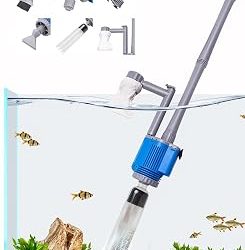
This is step one and often enough on its own for mild infestations. Feed only what fish consume in 2 minutes. Remove uneaten food with a turkey baster immediately after feeding. Trim dying plant leaves before they decay. Vacuum the substrate weekly with a siphon to remove detritus.
Population will decline within 2–4 weeks as food availability drops. It won’t eliminate snails completely, but brings them to a manageable background level.
Control Method 2: Manual Removal and Traps
For moderate infestations, manual removal accelerates results. At lights-out, snails emerge to feed. Use a flashlight to locate them and remove by hand or with tweezers. Do this nightly for 1–2 weeks to significantly reduce numbers.
Trapping is even easier. Place a lettuce leaf, cucumber slice, or commercial snail trap on the substrate before lights-out. In the morning, remove it covered in snails. Repeat until numbers drop. Commercial traps with bait chambers work passively and are worth the investment for persistent infestations.
Control Method 3: Predator Fish
Adding snail-eating fish is the most elegant long-term solution for community tanks. The best options:
- Assassin snails (Clea helena) — the most effective; they specifically hunt other snails without bothering fish or plants
- Clown loach — excellent snail hunters but need groups of 5+ and grow large; only for tanks 55+ gallons
- Yoyo loach (Botia almorhae) — smaller than clown loach, good for 30+ gallon tanks
- Dwarf puffer — highly effective but can be aggressive to tankmates; best in species-only setups
- Bala shark — eats smaller snails but mainly as supplementary food
Assassin snails are the most targeted approach — they hunt snails exclusively and don’t touch plants or fish. A group of 3–6 assassin snails in a heavily infested 20-gallon tank will reduce pest snail numbers noticeably within a month.
Control Method 4: Chemical Treatment
Use chemicals only as a last resort. They’re effective but carry risk to other invertebrates, plants, and biological filtration.
Copper-based treatments (e.g., Cupramine, copper sulfate) are lethal to snails but also to shrimp, most invertebrates, and some sensitive fish. Never use in a shrimp tank or reef setup.
Fenbendazole (Panacur) targets certain snail species but can also harm some worms and invertebrates. Works better in a bare-bottom quarantine tank than in a planted display.
Proprietary snail treatments (marketed as “snail away” type products) vary in active ingredients — always check compatibility with your tank’s inhabitants before dosing.
After any chemical treatment, do large water changes (50%+) and monitor ammonia closely — a mass snail die-off releases significant ammonia as they decompose.
For more on tank maintenance and water quality, see our guides on how often to do water changes, planted tank maintenance schedules, and controlling algae in freshwater tanks.
Top-Rated Picks
As an Amazon Associate we earn from qualifying purchases at no extra cost to you.



| Product | Brand | Rating | Reviews | Price |
|---|---|---|---|---|
| Herture 40-50 Gallon Fish Tank Stand, Aquarium Stand … | Herture | ★ 4.4 | 749 | under $150 |
| Herture 20-29 Gallon Fish Tank Stand, Aquarium Stand … | Herture | ★ 4.4 | 749 | under $150 |
| Coralife BioCube Aquarium Fish Tank Wood Stand For 32… | Coralife | ★ 4.2 | 808 | under $250 |
| Bestier 20-29-37 Gallon Fish Tank Stand with Power Ou… | Bestier | ★ 4.6 | 445 | under $90 |
| MAHANCRIS 20 Gallon Fish Tank Stand, Aquarium Stand w… | MAHANCRIS | ★ 4.3 | 524 | under $40 |
Related Guides
- Aquarium Cichlid Fish Food Pellet Review
- Quick Picks: Best Live Plants for Beginner Freshwater…
- Freshwater Shrimp Breeding Tank Setup Review
- Best Betta Fish Aquarium Heater 2026
Frequently Asked Questions
Are freshwater snails harmful to my aquarium fish?
Generally no — snails don’t attack healthy fish. They occasionally bother sick or dying fish, but that’s opportunistic rather than predatory. The real problem with large snail populations is water quality. Dense snail colonies produce significant waste and can strain biological filtration in smaller tanks. Some species also eat live plants if plant matter is scarce.
How do snails get into my tank in the first place?
Mainly through live plants, gravel, and decor from other aquariums or pet stores. Snail eggs are microscopic and stick to plant leaves and hardscape surfaces. Always quarantine new plants for 2–4 weeks in a snail-free container, or dip them in a dilute potassium permanganate or hydrogen peroxide solution before adding to your display tank.
Will assassin snails eliminate all my pest snails?
They’ll dramatically reduce populations but likely won’t achieve zero. Assassin snails reproduce slowly, so they naturally balance with the prey population rather than eliminating it entirely. This is usually fine — a small background snail population actually benefits tanks by processing detritus. If you want complete elimination, combine assassin snails with manual removal and reduced feeding.
How do I prevent snails from coming back after treatment?
Quarantine all new plants and decorations before adding them to the display tank. Dip new plants in 1:20 bleach solution for 2 minutes, then neutralize with dechlorinator. Never add water from pet store bags into your tank — net the fish out instead. These habits eliminate the vast majority of snail introduction routes.
Can Malaysian trumpet snails be beneficial in a planted tank?
Yes, in controlled numbers. MTS burrow into substrate and aerate it, preventing anaerobic dead zones that produce hydrogen sulfide. They also process detritus and uneaten food from below the surface. The key is keeping their population in check with controlled feeding — in a well-maintained tank with no excess food, MTS populations stay low and contribute positively to the ecosystem.
Ready to decide? Our #1 pick for 2026 is the Bladder snail (Physa acuta).
Live price & availability on Amazon.
Related Reviews & Guides



Quick Picks: Best 5-Gallon Betta Fish Tank Setups at a…
Best Water Test Kit for Freshwater Shrimp in 2026: Compared and Ranked