Last Updated: October 4, 2026
- Why Frozen Brine Shrimp?
- Nutritional Profile Comparison
- Top Frozen Brine Shrimp Products
- How to Thaw and Feed Frozen Brine Shrimp Properly
- Feeding Frequency and Quantity
- Storage and Shelf Life
- Building a Balanced Diet Around Frozen Brine Shrimp
- Avoiding Overfeeding and Protecting Water Quality
- Related Guides
- Frequently Asked Questions
- Related Articles
- Related Guides
- Top Pick: JADINGSFARM Brine Shrimp Fish Food, Ready to Use Aquarium Fish Food, Non-Living Instant Baby brine Shrimp, Food for Betta Saltwater Marine Freshwater Fish, Reef Aquariums, Corals, Axolotl,Jelly
- Best Value: Vorenzyme Liquid Brine Shrimp Fish Food, No Hatching Required, Ready-to-Feed Fish Fry Food for Betta Fry, Guppies, Discus Fry & Tropical Fish, Freshwater & Saltwater Aquariums
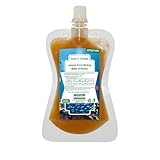
- Premium Choice: yizeril Instant Brine Shrimp Fish Food, High Protein Liquid, 12.7 oz
 Fish Food Frozen Brine Shrimp” style=”max-width:100%;height:auto;margin-bottom:1rem” loading=”lazy”>
TL;DR: Frozen brine shrimp is one of the most versatile and universally accepted fish foods available. Nutrient profiles vary significantly between brands and enrichment methods — here’s how to choose the best option for your fish.
Frozen Brine Shrimp Food: Best Picks and Feeding Guide for Aquarium Fish
Frozen brine shrimp food is a staple in almost every serious hobbyist’s freezer. Nearly every fish will eat it, from picky marines to finicky freshwater species. The challenge is that not all frozen brine shrimp is equal — enrichment levels, size, and source quality vary widely between products.
As an Amazon Associate we earn from qualifying purchases at no extra cost to you.


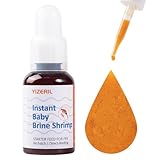

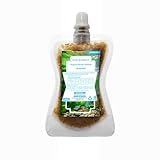

This guide breaks down what makes a quality frozen brine shrimp, how to feed it properly, and which products are worth keeping in your routine rotation.
🛒 Best Price Today on Amazon
Prime members get fast, free shipping on everything above, plus member-only deals. New members get a 30-day free trial — cancel anytime.
Start 30-Day Prime Free Trial →See Today’s Amazon DealsWhy Frozen Brine Shrimp?
Live brine shrimp are the gold standard for triggering feeding responses, but they’re time-consuming to culture and have a short shelf life. Frozen brine shrimp captures most of the palatability benefits at a fraction of the effort. Fish that refuse dry foods often eat frozen brine shrimp without hesitation, making it a critical tool for transitioning new arrivals onto a feeding regimen.
Frozen brine shrimp also works for reef tanks. Most inverts and corals respond to the dissolved nutrients when you broadcast-feed near the water column.
Nutritional Profile Comparison
| Type | Protein | Fat | Key Benefit | Best For |
|---|---|---|---|---|
| Standard frozen brine shrimp | ~60% (dry) | ~15% | High palatability | Feeding triggers, all species |
| Enriched brine shrimp (HUFA) | ~60% | ~20–25% | Omega-3/6 added post-hatching | Marine fish, corals, fry |
| Baby brine shrimp (nauplii) | ~60% | ~15% | Small particle size | Fry, nano fish, small invertebrates |
| Brine shrimp + spirulina blend | ~55% | ~12% | Added plant protein/pigment | Herbivores, color enhancement |
Top Frozen Brine Shrimp Products
These three picks cover standard feeding, enriched marine nutrition, and the baby/nauplii size preferred for fry and nano species.


As an Amazon Associate we earn from qualifying purchases. Product prices and availability are accurate as of the date/time indicated.



As an Amazon Associate we earn from qualifying purchases. Product prices and availability are accurate as of the date/time indicated.


As an Amazon Associate we earn from qualifying purchases. Product prices and availability are accurate as of the date/time indicated.
How to Thaw and Feed Frozen Brine Shrimp Properly
Never drop a frozen cube directly into your tank. The ice melts and dumps a large dissolved nutrient load into the water column at once, spiking ammonia and fouling water quality fast. Instead:
- Place one cube in a small cup of tank water
- Let it thaw fully — about 5 minutes at room temp
- Pour the thawed brine shrimp through a fine mesh strainer
- Discard the nutrient-rich liquid (or add it to a refugium)
- Rinse briefly with RO water to reduce phosphate load
- Add the rinsed shrimp to the tank
For reef tanks, skip the straining — the liquid contains dissolved amino acids that corals and filter feeders appreciate. Just thaw in tank water and broadcast gently near corals with a turkey baster.
Feeding Frequency and Quantity
For most community tanks, frozen brine shrimp 2–3 times per week alongside a varied diet is ideal. It shouldn’t be the sole food source — despite high palatability, plain brine shrimp is nutritionally incomplete as a staple. Rotate with frozen mysis, quality pellets, and species-specific foods.
Feed only what fish consume within 2–3 minutes. Uneaten food fouls the substrate and drives algae growth. When in doubt, underfeed rather than overfeed.
If you’re feeding fry, use baby brine shrimp (nauplii) specifically — adult brine shrimp are too large for most juvenile fish under 3–4 weeks old. Freshly hatched live nauplii are even better for fry conditioning, but frozen nauplii are a practical alternative.
Storage and Shelf Life
Frozen brine shrimp keeps well for 6–12 months in a dedicated freezer (not the frost-free cycle freezer in your kitchen — freeze-thaw cycles degrade quality). Keep cubes in their original packaging, sealed tightly after each use. Don’t refreeze thawed brine shrimp.
For related feeding guides, see our posts on the best tropical fish food staples, how to feed saltwater fish, and how feeding habits affect water quality.
Building a Balanced Diet Around Frozen Brine Shrimp
As universally accepted as frozen brine shrimp is, it works best as part of a varied diet rather than the sole food in the tank. Brine shrimp are highly palatable and trigger strong feeding responses, but on their own they are relatively low in some of the fats and nutrients fish need for long-term health. Treating them as one item in a rotation, alongside a quality staple flake or pellet and other frozen or live foods such as daphnia, bloodworms, or mysis, gives your fish a fuller nutritional profile and keeps mealtimes interesting. Variety also helps ensure picky eaters and different species in a community tank all get what they need.
Matching the food to the fish is just as important as variety. Standard adult brine shrimp suit most community and marine fish, while baby brine shrimp, the freshly hatched nauplii, are sized perfectly for fry, small nano fish, and many invertebrates. Enriched brine shrimp, boosted with omega fatty acids after hatching, are particularly valuable for marine fish, growing fry, and conditioning breeders. Herbivorous and omnivorous fish still need a plant component, so pairing brine shrimp with spirulina-based or vegetable foods rounds out their intake. By thinking of frozen brine shrimp as a reliable building block rather than a complete meal, you get all the appetite-stimulating benefits while avoiding the deficiencies of a single-food diet.
Avoiding Overfeeding and Protecting Water Quality
The convenience of frozen brine shrimp makes overfeeding easy, and uneaten food is one of the leading causes of poor water quality in home aquariums. Each cube contains far more than a small tank needs in one sitting, so thaw only the portion you will use and offer an amount your fish finish within a couple of minutes. Leftover shrimp sink, decompose, and release ammonia and nitrate that fuel algae and stress livestock. Feeding the right small amount once or twice a day is far better for your fish than a single heavy feeding that clouds the water and burdens the filter.
How you prepare the food also affects the tank. Frozen cubes are packed in a nutrient-rich liquid that, while harmless in small amounts, adds dissolved waste if poured straight in. Many keepers thaw the cube in a small cup of tank water and then strain the shrimp through a fine net before feeding, leaving most of the pack juice behind. Rinsing this way reduces the nutrient load entering the water and helps keep nitrate in check. Pair careful portioning with regular partial water changes and routine testing, and frozen brine shrimp will remain a healthy, trusted staple in your feeding rotation without compromising the stable parameters your fish rely on.
Related Guides
- Shrimp Tank Setup: Complete Guide
- Shrimp in Freshwater Tank
- Quick Picks: Best 5-Gallon Betta Fish Tank Setups at a…
Frequently Asked Questions
Is frozen brine shrimp as nutritious as live brine shrimp for fish?
Close, but not identical. Live adult brine shrimp have a slightly higher bioavailability of certain nutrients, and the movement triggers a stronger predatory feeding response. However, enriched frozen brine shrimp often exceeds the nutritional value of non-enriched live brine shrimp due to the HUFA additions. For everyday feeding, quality frozen brine shrimp is a practical equivalent.
Can I feed frozen brine shrimp to cichlids?
Yes, most cichlids readily accept frozen brine shrimp. It’s especially useful for triggering feeding in newly acquired or stressed cichlids. That said, cichlids generally need a more protein-dense staple diet — use brine shrimp as a supplement rather than a primary food source for large predatory cichlids.
Why is frozen brine shrimp making my water cloudy?
You’re almost certainly adding the thaw liquid to the tank. The dissolved organic matter in the brine shrimp liquid clouds water and causes bacterial blooms. Always strain and rinse frozen brine shrimp before adding it to your display tank. If cloudiness persists, do a 25% water change and check your skimmer or filter media.
What size brine shrimp should I feed small fish like neon tetras?
Standard-size frozen brine shrimp works for most nano fish including neons — adult brine shrimp are only 0.5–1 cm and easily consumed by fish as small as 2 cm. For fish smaller than 2 cm or for fry, use frozen baby brine shrimp (nauplii), which are microscopic and appropriate for very young or tiny species.
Can corals eat frozen brine shrimp?
Yes, many corals benefit from broadcast feeding with frozen brine shrimp. LPS corals (hammer, torch, frogspawn) actively capture food with their tentacles and will grab individual brine shrimp. SPS and soft corals benefit more from the dissolved amino acids and smaller particles. Use a turkey baster to direct food near coral mouths during feeding mode (lights dimmed, pumps reduced).
Ready to decide? Our #1 pick for 2026 is the Standard frozen brine shrimp.
Live price & availability on Amazon.
Related Reviews & Guides

Quick Picks: Best Equipment for an African Cichlid Tank…

Is a Canister Filter Worth It Freshwater? An Honest Answer (2026)