Last Updated: October 21, 2026
- Cost Breakdown: Initial Setup vs Long-Term Running Costs
- Water Chemistry: What You Actually Need to Monitor
- Filtration: Canister vs Sump vs Hang-on-Back
- Livestock Options: Diversity and Compatibility
- Top Equipment Picks for Each Path
- Maintenance Time: Weekly Routines Compared
- Which Should You Actually Start With?
- Tank Size and Stocking: How the Two Systems Differ
- Beginner Mistakes That Sink New Tanks
- Frequently Asked Questions
- Related Articles
- Top Pick: Seachem Prime -500 ml/ 17 fl. oz.
- Best Value: API AQUARIUM SALT Freshwater Aquarium Salt 36-Ounce Box
- Premium Choice: API AQUARIUM SALT Freshwater Aquarium Salt 67-Ounce Box

TL;DR: Freshwater tanks cost less, tolerate beginner mistakes, and cycle faster. Saltwater tanks offer unmatched color and biodiversity but demand tighter water chemistry, specialized gear, and a bigger budget. Pick freshwater if you’re under 6 months in; consider saltwater once you understand the nitrogen cycle cold.
Saltwater vs Freshwater Aquarium: Which Should a Beginner Choose?
Every new hobbyist hits this wall: the reef tank photos look jaw-dropping, but every forum thread warns “start freshwater first.” Is that still true in 2026? Yes — but the gap has narrowed. Let’s break down the real differences across cost, chemistry, livestock, and maintenance so you pick the right system for where you actually are as a fishkeeper.
As an Amazon Associate we earn from qualifying purchases at no extra cost to you.



🛒 Best Price Today on Amazon
Prime members get fast, free shipping on everything above, plus member-only deals. New members get a 30-day free trial — cancel anytime.
Start 30-Day Prime Free Trial →See Today’s Amazon DealsCost Breakdown: Initial Setup vs Long-Term Running Costs
Freshwater starter kits run $80–$200 for a 20-gallon all-in-one. A comparable saltwater nano starts at $300–$500 before you add a protein skimmer, RODI unit, and salt mix. The hidden costs compound: saltwater livestock is 3–5× pricier per animal, and a single parameter crash can wipe a $400 coral frag collection overnight.
| Factor | Freshwater | Saltwater |
|---|---|---|
| 20-gal starter cost | $80–$200 | $300–$600 |
| Monthly consumables | $10–$20 | $40–$80 |
| Fish cost (avg) | $3–$15 | $20–$60 |
| Coral frags | N/A | $15–$200+ |
| RODI water unit | Optional | Near-mandatory |
| Protein skimmer | Not needed | Strongly recommended |
| Salinity monitoring | Not needed | Refractometer + daily top-off |
Water Chemistry: What You Actually Need to Monitor
Freshwater demands ammonia, nitrite, nitrate, and pH — four parameters, manageable with a basic liquid test kit. See our aquarium water test kit guide for the best options under $30. Once cycled (see tank cycling for beginners), a planted freshwater tank becomes largely self-regulating.
Saltwater adds specific gravity (1.025–1.026 SG), alkalinity (8–12 dKH), calcium (400–450 ppm), and magnesium (1250–1350 ppm) to that list — especially if you keep coral. The tolerance windows are narrower. A 0.003 salinity swing that’s invisible to a cichlid can bleach a hammer coral.
Filtration: Canister vs Sump vs Hang-on-Back
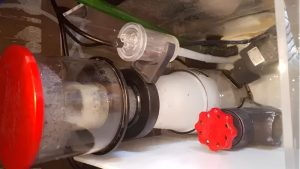
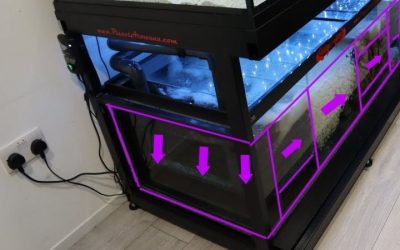
Freshwater tanks work well with hang-on-back filters or canister filters (see our Fluval 207 canister filter review). Saltwater systems benefit from a sump — a separate tank below the display that houses a protein skimmer, refugium, and return pump. Sumps add volume and stability but require drilling or overflow boxes.
For a fish-only saltwater setup (FOWLR), a quality canister can work. Reef systems almost always need a skimmer — see our protein skimmer buyer’s guide for sizing guidance.
Livestock Options: Diversity and Compatibility
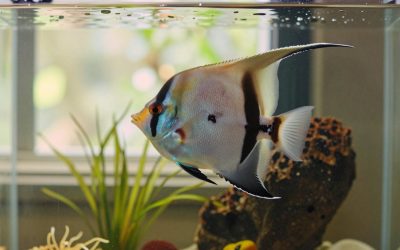
Freshwater gives you enormous variety at low cost: tetras, corydoras, guppies, bettas, angelfish, shrimp (see our shrimp tank setup guide), and planted aquascapes. Beginner-friendly livebearer communities (see livebearer breeding tank setup) can be running in a week.
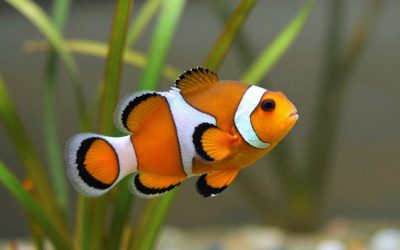
Saltwater livestock — clownfish, tangs, wrasses, gobies — are visually stunning but more sensitive. Many are wild-caught, slow to adapt, and disease-prone in new tanks (ich is more virulent in marine systems; see our ich treatment guide). A proper quarantine tank is mandatory in marine fishkeeping, not optional.
Top Equipment Picks for Each Path
Whether you go fresh or salt, these are the products we recommend most across both setups:


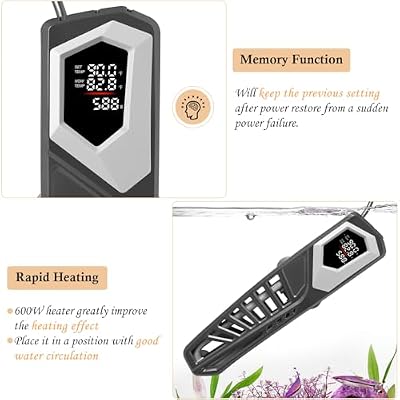


As an Amazon Associate we earn from qualifying purchases. Product prices and availability are accurate as of the date/time indicated.

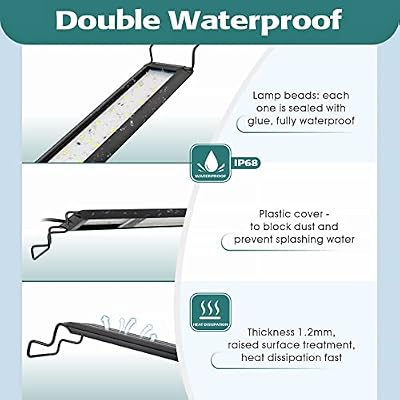


As an Amazon Associate we earn from qualifying purchases. Product prices and availability are accurate as of the date/time indicated.


As an Amazon Associate we earn from qualifying purchases. Product prices and availability are accurate as of the date/time indicated.
Maintenance Time: Weekly Routines Compared
A healthy freshwater community tank needs 1–2 hours/week: gravel vacuuming (see gravel cleaner guide), 20–30% water change, filter rinse monthly. A reef tank at minimum needs: daily top-off for evaporation, 2–3 parameter checks per week, skimmer cup emptying, glass scraping, and 10–15% water changes with freshly mixed saltwater. Budget 3–5 hours/week minimum.
Which Should You Actually Start With?
Start freshwater if: you’ve never cycled a tank, your budget is under $300, you want fish in 4–6 weeks, or you have kids involved. The skills transfer directly — once you understand ammonia spikes, nitrogen cycles, and stocking density, the saltwater chemistry layer becomes intuitive rather than overwhelming.
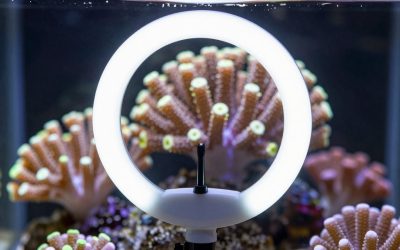
Jump to saltwater if: you’ve run a freshwater tank for 6+ months, you’re specifically drawn to reef keeping (not just “colorful fish”), and you can invest $500+ upfront without pain. A well-planned 20-gallon reef with a good skimmer and LED is deeply satisfying and not as hard as forums from 2010 made it sound.
Tank Size and Stocking: How the Two Systems Differ
One of the most overlooked differences between freshwater and saltwater is how each handles tank size. Larger volumes of water dilute waste and resist sudden swings in temperature and chemistry, which is why beginners are usually steered toward at least a 20-gallon freshwater tank rather than a tiny bowl. In saltwater, that buffer matters even more: a small reef can drift off course from a single missed top-off as evaporation concentrates the salinity. Most experienced reefers suggest 30 gallons or more for a first marine system, simply because the extra water gives you time to catch and correct mistakes before livestock suffer.
Stocking density also follows different rules. Freshwater community fish such as tetras, rasboras, and corydoras are small and can be kept in modest groups, so a well-filtered tank tolerates a fuller population. Saltwater fish tend to be more territorial and need more swimming room per animal, meaning a reef tank of the same size holds noticeably fewer fish. When you plan either system, count on stocking gradually over weeks rather than adding everything at once. This lets your beneficial bacteria population grow to match the bioload and keeps ammonia and nitrite at zero, which is the single most important factor in keeping any new aquarium stable.
Beginner Mistakes That Sink New Tanks
The fastest way to lose fish in either system is skipping the nitrogen cycle. A brand-new tank has no established colony of nitrifying bacteria, so adding a full load of fish on day one exposes them to toxic ammonia. Cycling a tank fishlessly over several weeks, testing until ammonia and nitrite read zero and nitrate appears, prevents the dreaded “new tank syndrome” that claims so many first attempts. Patience here is far cheaper than replacing dead livestock.
Other common errors apply to both paths. Overfeeding is near-universal: uneaten food rots and spikes nitrate, fueling algae. Offer only what your fish finish in a couple of minutes, once or twice a day. Skipping regular partial water changes lets nitrate and other waste accumulate; a weekly change of around 10 to 25 percent keeps parameters in a healthy range. Finally, mixing incompatible species, such as fin-nipping tetras with long-finned fish or aggressive marines with timid tankmates, leads to stress and disease. Research each animal’s adult size, temperament, and water needs before you buy, and your first tank, fresh or salt, has a far better chance of thriving.
Frequently Asked Questions
Can I convert a freshwater tank to saltwater?
Technically yes, but it’s rarely cost-effective. You’ll need a skimmer, live rock, RODI water, and upgraded lighting for coral. Silicone and glass are fine; plastic components (some hang-on-back filters, decorations) may leach at marine salinity. Full strip-down and rebuild is usually cleaner than conversion.
Is saltwater harder to keep than freshwater?
Yes, meaningfully so. The parameter windows are tighter, livestock costs more to replace, disease (especially ich and velvet) progresses faster, and evaporation demands daily attention. That said, a FOWLR (fish-only with live rock) setup with hardy species like damselfish and clownfish is far more forgiving than a full SPS reef.
What’s the minimum tank size for saltwater?
10 gallons is technically possible but unforgiving — small volume means rapid parameter swings. Most experienced reefers recommend 20 gallons as the practical minimum. The larger the volume, the more stable the chemistry and the more time you have to catch problems before they cascade.
Do freshwater planted tanks need CO2?
Not always. Low-tech planted tanks (see low-tech planted tank guide) thrive with low-light species, root tabs, and no CO2 injection. Higher-demand plants like carpeting species and some stem plants benefit from pressurized CO2 (see CO2 system beginner setup), but it’s an intermediate-level addition, not a day-one requirement.
Can saltwater fish survive without live rock?
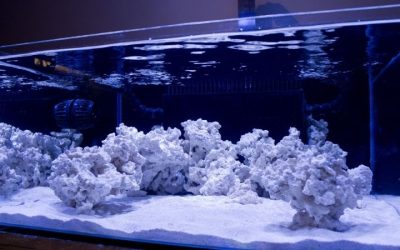
Live rock is the biological filter backbone of most saltwater systems — the bacteria colonizing its porous surface handle ammonia and nitrite processing. Without it, you need an equivalent biological media volume in your sump or canister. Dry rock seeded with bottled bacteria works, but live rock accelerates cycling by 2–3 weeks and introduces beneficial microfauna.
Best Canister Filter for a Reef Tank: Top Reliable Guide
Best App Controlled Aquarium Light for Reef Tanks Guide