Last Updated: October 9, 2026
🛒 Best Price Today on Amazon
Prime members get fast, free shipping on everything above, plus member-only deals. New members get a 30-day free trial — cancel anytime.
What Is an Aquarium Overflow Box and Why Do You Need One?
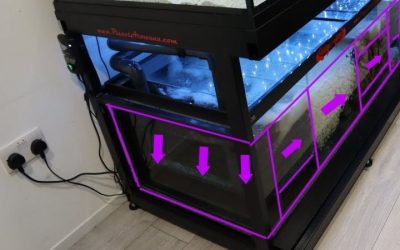
An aquarium overflow box is a device that allows water to flow from a display tank down into a sump filtration system without drilling holes in the tank glass. It uses a U-tube siphon or an external chamber system to continuously transfer water to the sump below, where it passes through mechanical, chemical, and biological filtration before being returned to the tank by a return pump. Overflow boxes make sump filtration possible on non-drilled tanks and are widely used in both freshwater and saltwater aquarium setups. Here are the best options available.
As an Amazon Associate we earn from qualifying purchases at no extra cost to you.

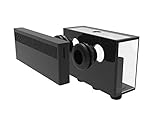

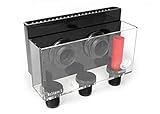


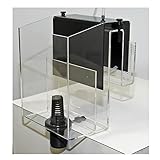
1. CPR AquaFuge Hang-On Overflow Box
CPR overflow boxes are among the most trusted hang-on overflow devices in the hobby. They use a reliable double-sided U-tube siphon system and are available in single and double tube configurations for different flow rate requirements. CPR overflows are rated for flow rates from 300 to 1600 GPH depending on the model and work reliably when properly set up. They include a cleaning brush, airline tubing, and clear acrylic construction that makes it easy to monitor the water level and siphon condition at a glance.
2. Eshopps Eclipse Overflow Box
Eshopps Eclipse overflow boxes feature a modern, integrated design that is quieter and more visually clean than traditional U-tube overflows. The Eclipse uses a patented internal chamber design that maintains the siphon automatically and is resistant to siphon failure due to micro-bubbles — the most common failure point of hang-on overflows. Available in medium and large sizes for flow rates up to 2000 GPH, the Eclipse is a popular choice for serious aquarists who want reliable sump operation on non-drilled tanks.
3. Lifegard Aquatics Quiet One Overflow Box
Lifegard Quiet One overflow boxes prioritize noise reduction and ease of maintenance. Their quiet overflow design minimizes the gurgling and splashing noise that is a common complaint with hang-on overflows, making them ideal for display tanks in living areas where noise is a concern. They are available for tanks up to 75 gallons and feature tool-free cleaning access and a self-starting siphon mechanism. The Quiet One is a well-regarded option for hobbyists who prioritize low-noise operation in their filtration setup.
Buying Guide: Selecting an Aquarium Overflow Box
- Flow rate matching: Match overflow box capacity to your return pump's flow rate. The overflow must handle the full return pump output or water will back up in the display tank.
- Siphon reliability: The biggest risk with hang-on overflows is siphon failure, which can flood the sump. Choose models with anti-siphon failure features and always have an emergency shut-off on your return pump.
- Tank wall thickness: Verify the overflow box is compatible with your tank's glass or acrylic thickness. Thicker tank walls require longer U-tube arms.
- Noise reduction: Gurgling from overflow boxes can be reduced by adjusting the water level in the box, using a Durso standpipe in the sump drain, or choosing a model with a built-in anti-gurgle design.
- Drilling vs. hang-on: If you are purchasing a new tank, consider having it drilled for an internal overflow — drilled overflows are more reliable and cleaner than hang-on alternatives.
How an Overflow Box Keeps Its Siphon and Why It Matters
The whole point of an overflow box is to move water from the display down to the sump at a steady, safe rate, and understanding how it maintains that flow helps you run one without disasters. Most hang-on overflow boxes use a U-tube siphon that carries water over the back of the tank into an outer chamber, from which it drains to the sump. That siphon must stay primed; if air collects at the top of the U-tube, the siphon weakens and the box can stop draining even though the return pump keeps pushing water up. When that happens, the display level rises and can overflow, which is the single most common and costly failure mode of these devices.
Several design and setup choices guard against siphon loss. Boxes that connect to an aspirator or maintenance pump continuously remove the small air bubbles that accumulate at the top of the U-tube, keeping the siphon strong. Newer enclosed-chamber designs are engineered to be more resistant to losing prime. Whatever style you choose, the safest practice is to match your return pump’s true output, after head loss, to the overflow’s rated capacity so the box never has to drain more water than it can handle. Running a return pump that overwhelms the overflow guarantees trouble, while a properly balanced pair runs quietly and reliably for the long term.
Failsafe Planning and Routine Maintenance
Because an overflow box sits at the heart of a system that can flood, building in failsafes is essential rather than optional. The key scenario to plan for is a power outage: when power returns, both the overflow and the return pump must restart correctly. A box that loses its siphon during the outage and does not re-prime, paired with a return pump that immediately resumes pushing water up, will overflow the display. Choosing an overflow designed to maintain or automatically restart its siphon, and confirming this behavior by deliberately cutting power and watching the system recover, is the most important test you can run before trusting the setup unattended.
Routine maintenance keeps the box working as intended. Over time, biofilm, algae, and detritus build up inside the U-tube, the intake teeth, and the chamber walls, gradually restricting flow and increasing the chance of a clog or air pocket. Cleaning these surfaces regularly with the brush most boxes include, and clearing the intake screen of debris, keeps water moving freely. It is also worth sizing the sump with enough empty headroom to catch the water that drains down when the pump stops, so that a brief outage cannot overflow the sump itself. Combining a reliable overflow design, a balanced return pump, regular cleaning, and a sump with room to spare turns a potentially risky piece of equipment into a dependable foundation for sump filtration.
Final Thoughts
An aquarium overflow box is an essential tool for running sump filtration on non-drilled tanks. Choose a model with a flow rate that matches your return pump, prioritize anti-siphon-failure design features, and monitor the siphon regularly to ensure continuous operation. With a reliable overflow in place, the filtration benefits of a full sump system become accessible to any aquarium setup.
Frequently Asked Questions
How do I size an overflow box for my tank?
Match the overflow’s rated flow to your return pump, not to tank volume alone. A common target is five to ten times tank volume per hour through the sump, so a 75 gallon tank usually wants an overflow rated for 600 to 1000 GPH. Always pick an overflow rated above your pump’s actual head-corrected output to avoid flooding the display.
Will an overflow box flood my floor if the power goes out?
A properly set up overflow only drains water down to the level of the intake teeth or the siphon break, typically an inch or two below the rim. Your sump must have enough empty freeboard to hold that volume plus the return line’s back-siphon. Test this by shutting the pump off and watching where the sump level settles.
What is the difference between a hang-on-back and a drilled overflow?
A hang-on-back overflow uses a U-tube siphon over the rim and needs no drilling, so it suits rental situations and tempered-glass tanks. A drilled internal overflow uses a bulkhead through the glass and cannot lose siphon, which makes it far safer long term. Hang-on boxes are the usual culprit in overflow failures when air accumulates in the U-tube.
Are overflow boxes noisy?
The main noise is the splash and gurgle of water falling down the drain pipe. A Herbie or Bean Animal style dual-drain setup with a valved full-siphon line is nearly silent because the pipe runs full of water with no air entrainment. On single-drain boxes, adding a durso standpipe with a small air vent cuts most of the gurgle.
Can I use an overflow box on a freshwater tank?
Absolutely. Sumps benefit freshwater tanks just as much as reef tanks, hiding heaters and adding water volume that stabilizes temperature and parameters. The only real difference is media choice, since freshwater sumps typically run sponge, filter floss and biomedia instead of a protein skimmer, which needs saltwater’s surface tension to function.
Related Reviews & Guides


Saltwater Aquarium Equipment Checklist: Numbers and Cost
Best Calcium Reactor for a Mixed Reef: Top Expert Guide