Last Updated: October 9, 2026
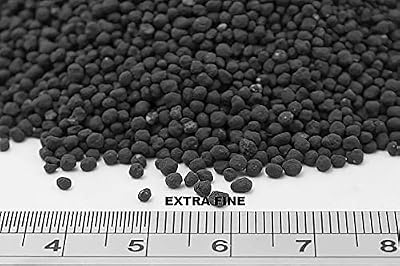
- Top Pick: Brightwell Aquatics "MicroBacter Lattice-Nitratz", Nitrate-Reducing Natural Filtration Media for all Aquariums, 250 ml
- Best Value: Two Little Fishies Little Reactor Nano Aquarium Media Reactor
- Premium Choice: MICROBE-LIFT Special Blend Aquarium Water Care Treatment, Cleaner & Clarifier for Fresh and Saltwater Fish Tanks, Reduces Maintenance & Helps with Aquarium Algae Control and Odor, 4 Ounces (SBH04)

TL;DR: A sulfur-based nitrate reactor uses anaerobic bacteria fueled by elemental sulfur to reduce nitrates to nitrogen gas, delivering near-zero NO3 in reef and FOWLR tanks without large water changes. This guide covers the biology, setup, and dialing-in process so you can run one confidently.
Aquarium Nitrate Reactor Sulfur: Drive Nitrates to Zero in Reef and FOWLR Tanks
Nitrate is the end product of the nitrogen cycle — relatively nontoxic compared to ammonia and nitrite, but a slow poison for SPS corals, a fuel source for nuisance algae, and a stressor for sensitive invertebrates above 5–10 ppm. Traditional solutions — large water changes, deep sand beds, refugiums — work but demand time or space. A sulfur-based nitrate reactor approaches the problem biologically: anaerobic denitrifying bacteria consume nitrate as an oxygen source while metabolizing elemental sulfur, converting NO3 into harmless nitrogen gas that escapes the water column. The result, when dialed correctly, is single-digit or undetectable nitrate with minimal ongoing effort.
As an Amazon Associate we earn from qualifying purchases at no extra cost to you.


🛒 Best Price Today on Amazon
Prime members get fast, free shipping on everything above, plus member-only deals. New members get a 30-day free trial — cancel anytime.
Start 30-Day Prime Free Trial →See Today’s Amazon DealsThe Biology Behind Sulfur Denitrification
The reactor chamber is packed with sulfur pellets — food-grade elemental sulfur, sometimes blended with crushed coral to buffer pH. Thiobacillus denitrificans and related autotrophic bacteria colonize the pellet surface. Water flows through the chamber at an extremely slow rate (typically 1–5 drops per second), creating the oxygen-depleted environment these anaerobes require. They strip oxygen from nitrate ions, releasing N2 gas and consuming sulfur as an energy source. The reaction also produces sulfate and slightly acidic effluent, which is why a pH buffer — crushed coral, calcium carbonate chips — is mixed into the reactor bed or added as a post-chamber stage.
Unlike carbon-based denitrification (vodka, bio-pellets, nitrate reactors using wood chips), sulfur denitrification does not risk hydrogen sulfide poisoning if flow stops briefly. The chemistry is inherently safer for most setups, though effluent should still drip into an area with some oxygenation rather than directly onto delicate coral polyps.
Top Nitrate Reactor Picks


As an Amazon Associate we earn from qualifying purchases. Product prices and availability are accurate as of the date/time indicated.



As an Amazon Associate we earn from qualifying purchases. Product prices and availability are accurate as of the date/time indicated.


As an Amazon Associate we earn from qualifying purchases. Product prices and availability are accurate as of the date/time indicated.
Nitrate Reduction Method Comparison
| Method | Sulfur Reactor | Vodka / Carbon Dosing | Deep Sand Bed | Refugium + Chaeto |
|---|---|---|---|---|
| Mechanism | Autotrophic denitrification | Heterotrophic denitrification | Anaerobic zones | Nutrient export via harvest |
| Crash risk | Low | High (overdose) | Low | Very low |
| Space needed | Small (external unit) | None (dosing pump) | Large (4–6 inch DSB) | Moderate (fuge chamber) |
| Maintenance | Low (refill pellets 6–12 mo) | Daily monitoring | Minimal but long-term | Weekly harvest |
| pH impact | Slight drop (buffered) | Slight drop | Neutral | Raises pH (daytime) |
| Best for | High-bioload reef, FOWLR | SPS-dominant reef | Large mixed reef | Any reef with sump space |
Setting Up and Dialing In the Reactor
Fill the reactor chamber with sulfur pellets and crushed coral at roughly a 3:1 ratio by volume. Connect the reactor in-line with a small feed pump or gravity-feed it from a sump section — flow must be adjustable down to a trickle. Start with an effluent drip rate of 1–2 drops per second. For the first two weeks, test nitrate and effluent every two days. The reactor needs a bacterial colonization period of 2–4 weeks before denitrification becomes measurable. Resist the urge to increase flow prematurely; pushing water through too fast before the colony establishes simply bypasses the anaerobic zone and accomplishes nothing.
Once nitrate begins to fall, increase flow gradually until you hit your target. Most hobbyists aim to reduce nitrate by 5–10 ppm per day on a heavily stocked system. If effluent pH drops below 7.0, add more crushed coral to the buffer section or install a small post-chamber filled entirely with aragonite. Test phosphate simultaneously — as nitrate falls, phosphate can swing unexpectedly if bacterial populations shift, and SPS corals need both parameters managed together.
Maintenance and Pellet Replacement
Sulfur pellets are consumed slowly — a properly sized reactor on a 100-gallon system may need a refill every 6–12 months. Monitor effluent nitrate; a sudden rise without any change in bioload often signals pellet exhaustion. When refilling, do not dump all media at once — keep 20–30% of old pellets to seed the new batch with established bacteria and avoid a reset of the colonization period. Rinse new pellets briefly in RODI water before loading to remove sulfur dust. For more context on managing the full nitrogen cycle, see our biological media filter guide and the refugium setup guide for combining methods.
Related Guides
- Quick Picks: Aquarium Protein Skimmers
- Quick Picks: Best Protein Skimmers for Reef Tanks
- Best Aquarium Phosphate Remover
- Best Aquarium Return Pump for Sump Systems
Frequently Asked Questions
How long does a sulfur nitrate reactor take to lower nitrates noticeably?
Expect 2–4 weeks for bacterial colonization before measurable reduction, then another 2–4 weeks of gradual decline depending on bioload, flow rate, and starting nitrate levels. Tanks with nitrate above 50 ppm may take 6–8 weeks to reach target levels. Do not rush flow increases — patience during startup is the single biggest factor in long-term performance.
Can a sulfur nitrate reactor lower nitrates too much and crash the tank?
Unlike carbon dosing, sulfur reactors are slow-acting and self-limiting — they cannot spike bacterial snow or crash oxygen levels rapidly. However, driving nitrate to absolute zero in a nutrient-poor SPS tank can cause coral tissue loss (commonly called “starvation” in the hobby). Target 1–3 ppm nitrate for SPS systems rather than zero, and test weekly to catch downward trends early.
Does a sulfur reactor affect pH in a reef tank?
Yes, effluent is slightly acidic due to sulfate production. A well-buffered reactor with adequate crushed coral keeps effluent pH above 7.4–7.6, which causes negligible impact on the display tank when dripping into an oxygenated sump zone. If you see main tank pH consistently below 8.1, test the reactor effluent first and add more buffer media before investigating other causes.
What size sulfur nitrate reactor do I need for my tank?
Reactor sizing guides typically specify by tank volume and bioload. A reactor with 500–800 mL of media handles most systems up to 100 gallons with moderate stocking. Heavy-fed FOWLR tanks and systems over 150 gallons benefit from larger units or two reactors in series. Undersizing leads to insufficient denitrification; oversizing causes the colony to under-consume, which can occasionally produce hydrogen sulfide in extreme cases.
Can I use a sulfur nitrate reactor on a freshwater aquarium?
Yes. Sulfur denitrification works in freshwater, particularly for heavily stocked cichlid or discus tanks where large water changes are impractical. The setup and dialing-in process is identical. Freshwater tanks tend to have softer water, so monitor pH more closely and use more crushed coral buffer — carbonate hardness (KH) in freshwater is typically lower than in saltwater, meaning less natural pH buffering to offset the reactor’s acidic effluent.
Ready to decide? Our #1 pick for 2026 is the Mechanism.
Live price & availability on Amazon.
Related Reviews & Guides


Best AIO Reef Tank With Roller Filter Included: Compared Guide
Best Quiet Calcium Reactor: Top Compared Expert Buying Guide