Last Updated: September 7, 2026
 Aquarium Overflow Box Sump Drain” style=”max-width:100%;height:auto;margin-bottom:1rem” loading=”lazy”>
TL;DR: An aquarium overflow box lets non-drilled tanks connect to a sump by siphoning water over the back glass, enabling the filtration capacity of a full sump system without drilling. This guide covers how overflow boxes work, how to prevent siphon breaks, and how to size one correctly for your return pump flow rate.
Aquarium Overflow Box Sump Drain: Add a Sump to Any Non-Drilled Tank
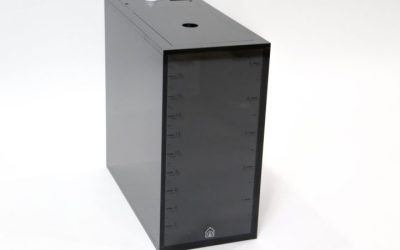
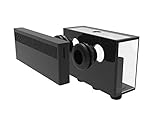
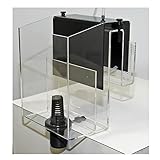
A drilled tank with a built-in overflow is the cleanest way to run a sump — but most tanks sold without reef-ready plumbing are not drilled, and drilling tempered glass is not possible without shattering it. The aquarium overflow box solves this with an elegant siphon principle: two acrylic or PVC boxes hang on opposite sides of the tank’s back glass, connected by a U-tube or siphon lock. Water fills the inner box, siphons over the glass through the connector, and gravity-drains from the outer box down to the sump below. The return pump pushes filtered water back up. No drilling, no permanent modification — but a setup that demands careful attention to siphon reliability.
As an Amazon Associate we earn from qualifying purchases at no extra cost to you. Product prices and availability are accurate as of the date shown and are subject to change.



🛒 Best Price Today on Amazon
Prime members get fast, free shipping on everything above, plus member-only deals. New members get a 30-day free trial — cancel anytime.
Start 30-Day Prime Free Trial →See Today’s Amazon DealsHow the Siphon Works and Why It Breaks
The overflow operates entirely on siphon pressure created by the water level difference between the inner box and the outer drain box. Air is the enemy. Any air bubble that enters the U-tube connector breaks the siphon, causing the outer box to drain and the inner box to fill until it overflows into the tank — which is the opposite of what you want. Siphon breaks happen from power outages (the return pump stops, flow dynamics change), micro-bubbles accumulating in the U-tube over days, or a drop in water level that exposes the U-tube opening. Preventing breaks requires either regular manual priming or an active siphon-maintenance system.
The most reliable anti-siphon-break method is a Durso standpipe or Stockman-style pipe in the inner box combined with an Aqualifter pump — a tiny air pump that continuously evacuates the top of the U-tube, removing any accumulating air bubbles before they grow large enough to break the siphon. This combination, while adding a small cost, transforms an inherently fussy system into one that runs for weeks without intervention. Budget overflow boxes without this feature require weekly manual priming, which many hobbyists find acceptable for freshwater setups but problematic for reef systems where a siphon break during sleep can empty a sump and run the return pump dry.
Top Overflow Box Picks




As an Amazon Associate we earn from qualifying purchases. Product prices and availability are accurate as of the date/time indicated.



As an Amazon Associate we earn from qualifying purchases. Product prices and availability are accurate as of the date/time indicated.


As an Amazon Associate we earn from qualifying purchases. Product prices and availability are accurate as of the date/time indicated.
Overflow Box Specifications Compared
| Feature | HOB Siphon Box (basic) | Dual U-tube Box | Aqualifter-Equipped Box |
|---|---|---|---|
| Max flow rate | 300–600 GPH | 600–1200 GPH | 600–1800 GPH |
| Siphon break risk | High | Moderate | Low |
| Priming method | Manual (squeeze bulb) | Manual | Automatic (Aqualifter) |
| Power outage recovery | Manual re-prime required | Manual re-prime | Self-recovering |
| Noise level | Moderate (gurgling) | Moderate | Low (with Durso pipe) |
| Best for | Freshwater, low-flow | Mid-size reef | Reef, FOWLR, critical setups |
Sizing the Overflow to Your Return Pump
The overflow box must handle at least as much flow as your return pump delivers — but the real-world margin should be 20–30% higher to account for head pressure variations, partial clogging of the overflow teeth, and micro-bubble interference with siphon flow. If your return pump delivers 800 GPH after head loss, choose an overflow rated for at least 1,000 GPH. Undersizing the overflow is the single most common mistake: the sump overflows as water backs up in the return section faster than the overflow can drain it back down.
The drain line from the overflow box to the sump should use the largest diameter tubing or pipe the overflow outlet accepts — typically 1-inch or 1.5-inch — and run with as few elbows as possible. Each elbow reduces maximum flow capacity and introduces air-trapping bends. A straight vertical drop is ideal; if horizontal routing is unavoidable, maintain a consistent downward slope with no uphill sections that would create air locks. See our submersible pump guide for return pump sizing and head-pressure math that feeds directly into overflow sizing decisions, and review the refugium and sump setup guide for plumbing the overflow into a multi-chamber sump correctly.
Installation and Initial Priming
Position the inner box so its teeth or weir edge is 1–2 inches below the tank’s desired water line — this sets the operational water level. Hang the outer box on the exterior glass with the included clamp or suction cups. Fill the tank to the desired level, then fill both boxes with tank water manually. To prime the siphon, use the included bulb syringe to draw water through the U-tube until a continuous flow establishes. Once primed, start the return pump at low flow and verify the siphon maintains itself before ramping up to full flow. Run the system for 48 hours before adding livestock, watching for any signs of siphon interruption or gurgling that indicates an air pocket cycling through the U-tube. Add an Aqualifter to the U-tube air port after initial setup — a $15 addition that eliminates the primary failure mode of the entire system.
Related Guides
Frequently Asked Questions
How do I stop my aquarium overflow box from losing siphon?
The most reliable fix is an Aqualifter pump connected to the air port at the top of the U-tube. It continuously removes micro-bubbles that accumulate and eventually break the siphon. Without an Aqualifter, inspect the U-tube weekly and manually re-prime at the first sign of reduced flow. Some hobbyists add a small amount of glycerin to the U-tube connection points to improve the initial seal, though this is a temporary measure rather than a permanent solution.
What happens if the overflow box loses siphon while I am away?
If the siphon breaks, the outer box drains into the sump and the inner box fills — but the water level in the display tank does not typically overflow because the inner box weir still catches any water above its teeth. The main risk is sump level dropping as the return pump continues running without matching drain flow, potentially running the pump dry. A float valve or low-level shutoff on the sump return section prevents pump damage if you cannot monitor the system.
Can an overflow box handle a saltwater reef tank reliably?
Yes, with the right configuration. An Aqualifter-equipped overflow box with a Durso standpipe has been the standard DIY reef sump solution for decades. The key is redundancy: Aqualifter for siphon maintenance, a second drain line as an emergency overflow, and a sump with enough capacity to handle the full display tank volume draining in a worst-case power-outage scenario. Many successful SPS reef tanks run on this setup.
How noisy is an aquarium overflow box?
Basic overflow boxes with a straight drain pipe produce significant gurgling — a drain-like sound as water and air mix in the downspout. A Durso standpipe or Stockman pipe in the inner box eliminates this by submerging the drain intake and controlling air entrainment, reducing noise to a quiet trickle. Soft tubing on the drain line exit at the sump surface, rather than a hard drop, also significantly reduces splashing noise in the sump chamber.
What is the maximum flow rate a HOB overflow box can handle?
Single-tube overflow boxes typically max out at 300–600 GPH in practice, even if rated higher on paper. Dual U-tube models reach 800–1,200 GPH. For systems requiring more flow — large reef tanks with high-output return pumps — multiple overflow boxes in parallel or a professional drilling of a non-tempered glass panel are more reliable options than pushing a single HOB unit to its rated maximum, where siphon instability increases significantly.
Ready to decide? Our #1 pick for 2026 is the Max flow rate.
Live price & availability on Amazon.
Related Reviews & Guides


Best LED Light for a Frag Tank: Coverage and Sizing Guide
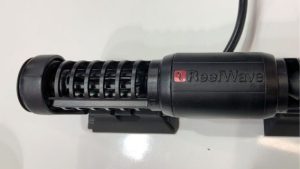
Best Red Sea ReefWave Pump for Glass Thickness: Tested Guide