Last Updated: October 4, 2026
- Top Pick: Saltwater Fish and Reef Tanks: From Beginner to Expert
- Best Value: Brightwell Aquatics MicroBacter Start XLM – Concentrated Saltwater Nitrifying Bacteria – Quick Start Fish Tank Starter, Lift Microbe Levels & Water Filtering – Marine Aquarium Treatments, 8.45 fl oz
- Premium Choice: API REEF MASTER TEST KIT Reef Aquarium Water Test Kit 1-Count
🛒 Best Price Today on Amazon
Prime members get fast, free shipping on everything above, plus member-only deals. New members get a 30-day free trial — cancel anytime.
Introduction
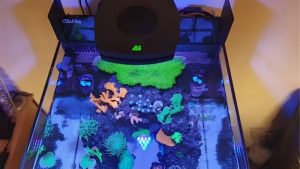
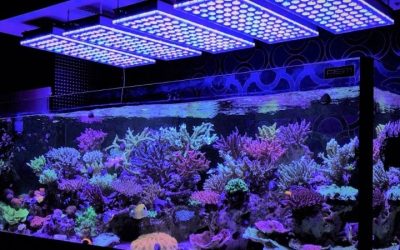
Starting a reef tank is one of the most rewarding challenges in the aquarium hobby — a well-maintained reef aquarium is a breathtaking living ecosystem of coral, fish, and invertebrates that recreates the vibrant biodiversity of a tropical ocean reef. While reef tanks have a reputation for complexity and cost, modern all-in-one systems, precision equipment, and established husbandry knowledge have made them more accessible to beginners than ever before. The key is starting with a realistic plan, quality foundation equipment, and beginner-appropriate coral species.
As an Amazon Associate we earn from qualifying purchases at no extra cost to you.



What to Look For
- Tank Size Consideration: Contrary to intuition, larger reef tanks are generally more forgiving for beginners than nano systems — larger water volume means slower parameter swings, more margin for error, and a more stable environment for sensitive coral; a 30–75 gallon tank is an ideal beginner reef size.
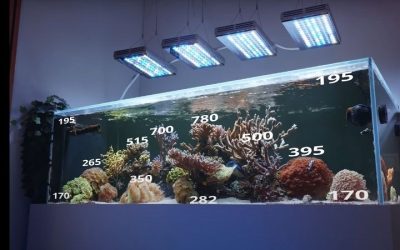
- Lighting Investment: Coral requires specific light spectra and intensity to photosynthesize through their symbiotic zooxanthellae algae — do not skimp on reef lighting; a quality LED fixture designed specifically for reef keeping is a non-negotiable investment for coral success.
- Water Chemistry Management: Reef keeping requires regular testing and maintenance of calcium (400–450 ppm), alkalinity (8–12 dKH), and magnesium (1,250–1,350 ppm) — the so-called "Big Three" that coral consumes as it grows; establish a consistent testing and dosing routine from the start.
Top Picks
Red Sea MAX-E 170 Reef System
Red Sea's MAX-E series are purpose-built all-in-one reef tanks that integrate filtration, circulation, and lighting in a single, elegantly designed system. The 170-liter version provides an ideal beginner reef volume with enough space for a meaningful coral collection, and the included equipment is specifically selected for reef keeping rather than repurposed from generic freshwater products. Red Sea's ReefLED lighting delivers the intensity and spectrum that soft corals and LPS require for healthy growth.
Kessil A160WE Controllable LED Aquarium Light
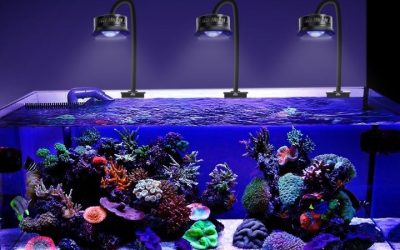
The Kessil A160WE is a compact, highly efficient LED reef light renowned for its stunning color rendering and the distinctive shimmering light effect that mimics natural sunlight through moving water — a feature that reef corals respond to positively. Its single-point dense matrix LED design delivers high PAR values in a small footprint, making it ideal for nano and small reef tanks up to 24 inches wide, and the controllable output allows growth-optimized intensity scheduling.
Salifert Reef Foundation ABC+ Test Kit Bundle
Salifert produces some of the most accurate and easy-to-read reef chemistry test kits available to hobbyists, and their calcium, alkalinity, and magnesium kits are the go-to choice for precision reef parameter testing. The reagent-based tests provide far more reliable results than dip strips, and the color charts are calibrated for easy interpretation. Regular testing with accurate kits is the single most important habit a beginning reef keeper can develop.
Essential Equipment for a Beginner Reef Tank
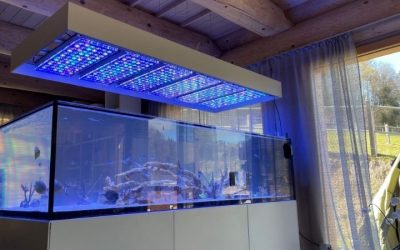
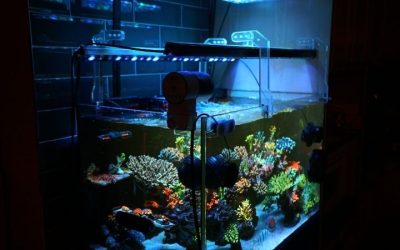
A reef tank supports living corals and invertebrates alongside fish, which demands more equipment and precision than a fish-only or freshwater setup. The core components include a tank, strong reef lighting, a protein skimmer, powerheads for water movement, and a heater. Reef lighting is especially important because corals rely on light for the symbiotic algae that nourish them, so quality LED or other reef-capable lighting is essential rather than optional. Live rock provides biological filtration and the structure on which corals are placed, forming the backbone of the system.
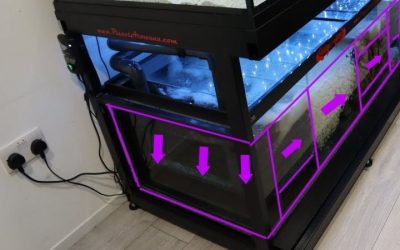
Water movement and filtration are central to reef success. Powerheads create the flow that keeps detritus suspended for removal and supplies corals with oxygen and nutrients, while a protein skimmer removes dissolved organic waste before it degrades water quality. Many beginners start with an all-in-one reef tank that integrates filtration and a return pump, simplifying setup considerably. Stable equipment matters because corals are far less tolerant of swings than hardy fish, so reliable heaters, accurate salinity measurement with a refractometer, and consistent flow are worth investing in from the start.
Water Parameters and Starting Out Slowly
Reef tanks require closer parameter management than fish-only systems because corals are sensitive to water chemistry. Salinity is typically held around 1.024 to 1.026 specific gravity, with stable temperature, and corals additionally depend on stable calcium, alkalinity, and magnesium to build their skeletons. Beginners should establish the tank and let it cycle fully before adding any livestock, confirming with tests that ammonia and nitrite read zero. Using purified RO/DI water for mixing salt and top-offs prevents unwanted contaminants and algae-fueling nutrients from entering the system.
The most important advice for a beginner reef is to start slowly and prioritize stability over speed. Add a few hardy fish first, then begin with beginner-friendly soft corals before attempting more demanding species. Consistency in parameters matters more than chasing ideal numbers, since corals tolerate steady conditions far better than fluctuating ones. Regular partial water changes with freshly mixed salt water replenish trace elements and export waste, forming the backbone of routine maintenance. Reef keeping rewards patience and steady husbandry; a carefully cycled, gradually stocked, consistently maintained reef tank is far more likely to flourish than a rushed one.
Frequently Asked Questions
What equipment does a beginner reef tank need?
The essentials are a tank, quality reef lighting, a protein skimmer, powerheads for flow, a heater, and live rock. Many beginners choose an all-in-one reef tank that integrates filtration and a return pump.
Why is reef lighting so important?
Corals rely on light to power the symbiotic algae that nourish them, so reef-capable lighting is essential rather than optional. Quality LED or other reef lighting directly affects coral health and color.
What salinity should a reef tank be?
A reef tank is typically kept around 1.024 to 1.026 specific gravity, measured with a refractometer. Stable salinity, temperature, and supporting parameters are critical for coral health.
What corals are best for beginners?
Hardy soft corals are the best starting point because they tolerate minor parameter variations better than demanding species. Beginners should master these before attempting more sensitive corals.
How do I start a reef tank successfully?
Cycle the tank fully, then stock slowly with hardy fish and beginner corals while keeping parameters stable. Consistency and patience matter more than speed, and regular water changes keep the system healthy.
Final Thoughts
A beginner reef tank set up with quality equipment, properly cycled, and stocked patiently with hardy starter corals will deliver one of the most visually spectacular and intellectually engaging experiences in all of fishkeeping. Take the time to learn the chemistry, invest in proper lighting, and resist the temptation to rush — a reef tank rewards patience with an ecosystem of extraordinary beauty.
Related Reviews & Guides

Best Refill Reservoir For Ato Systems: Best Compared Guide
Best Canister Filter for Saltwater Tanks: Top Expert Pick