Last Updated: October 21, 2026
- Top Pick: MagTool DC Protein Skimmer with Controllable Pinwheel Pump (N130 Plus)
- Best Value: AQUATOP Xyclone PS-370 Protein Skimmer – 370 GPH Needle Wheel Pump Included – For Saltwater Aquariums Up to 100 Gallons – In-Sump or Hang-On Dual Outlet Design
- Premium Choice: MagTool DC Protein Skimmer with Controllable Pinwheel Pump (N170 Plus)
🛒 Best Price Today on Amazon
Prime members get fast, free shipping on everything above, plus member-only deals. New members get a 30-day free trial — cancel anytime.
Why Every Saltwater Tank Needs an Aquarium Protein Skimmer
An aquarium protein skimmer is one of the most important filtration devices in marine fishkeeping. Also called a foam fractionator, it works by introducing millions of tiny air bubbles into saltwater. Organic waste proteins, dissolved organics, and other pollutants bind to the surface of these bubbles and are lifted into a collection cup where they can be disposed of — removing them from the system before they break down into nitrates. A quality protein skimmer dramatically reduces nutrient load, improves water clarity, and supports the oxygen levels that reef corals and sensitive marine fish require. Here are the top picks.
As an Amazon Associate we earn from qualifying purchases at no extra cost to you.


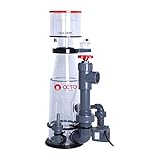


1. Reef Octopus Classic Protein Skimmer
Reef Octopus is among the most respected brands in protein skimmer manufacturing. Their Classic series uses high-quality needle wheel impellers to create an extremely fine, dense bubble column that maximizes contact time between water and bubbles. The result is highly efficient skimming with a consistent, dry skim that fills the collection cup with concentrated dark organic waste. Reef Octopus skimmers are known for stable operation after an initial break-in period and are suited for tanks from 50 to 200+ gallons depending on the model selected.
2. Aqua Euro USA Hang-On Protein Skimmer
Hang-on back (HOB) protein skimmers offer an accessible entry point into protein skimming without the need for a sump. The Aqua Euro hang-on style skimmers mount directly on the tank rim and process water efficiently in smaller reef and FOWLR (fish only with live rock) setups up to about 75 gallons. They are simpler to set up and adjust than in-sump models and are ideal for aquarists running smaller display tanks without a dedicated sump filtration system.
3. Bubble Magus Curve Protein Skimmer
Bubble Magus Curve skimmers are popular mid-range in-sump protein skimmers that offer excellent performance per dollar. The curved body design optimizes water contact time and produces consistent wet or dry skim depending on adjustment. They feature a large easy-to-empty collection cup, a high-quality needle wheel pump, and straightforward water level adjustment via a simple gate valve. The Curve series covers tanks from 50 to 150 gallons and is widely recommended by experienced reefers as a reliable, cost-effective option.
Buying Guide: Selecting the Right Protein Skimmer
- Tank volume rating: Choose a skimmer rated for 1.5x your actual tank volume. Manufacturers' ratings are often optimistic; upsizing ensures adequate skimming capacity.
- Sump vs. hang-on: In-sump skimmers are generally more efficient and easier to maintain. HOB models are appropriate for tanks without a sump.
- Needle wheel vs. pinwheel: Needle wheel impellers produce finer bubbles and more efficient foam fractionation. Look for quality impeller design when comparing models.
- Break-in period: New skimmers often take 1-2 weeks to break in and stabilize. Expect erratic water levels and weak production initially — this is normal.
- Cup cleaning: A larger collection cup requires less frequent emptying. Look for a wide-mouth cup that is easy to remove and clean without mess.
How Protein Skimmers Keep Saltwater Tanks Clean
A protein skimmer, also called a foam fractionator, removes dissolved organic waste from saltwater before it breaks down into nitrate and phosphate. It works by injecting a fine column of bubbles into a reaction chamber, where organic compounds cling to the bubble surfaces and rise into a collection cup as dark, smelly foam. By physically exporting waste, a skimmer reduces the load on your biological filter, improves water clarity, and boosts oxygenation, which is why it is considered essential equipment for reef and most marine fish-only systems.
Skimmers are far more effective in saltwater than freshwater because salt water’s surface tension supports stable bubbles. Choosing the right unit means matching it to your tank’s volume and bioload, and most experienced reefers slightly oversize their skimmer rather than running one at its limit. Common styles include in-sump models for tanks with a sump, hang-on-back skimmers for all-in-one or smaller systems, and nano skimmers for compact reefs. A heavily stocked tank produces more waste and benefits from a more powerful skimmer than a lightly stocked one.
Tuning and Maintaining a Protein Skimmer
A new skimmer needs a break-in period of a few days to a couple of weeks before it produces consistent foam, so do not panic if performance is erratic at first. Tuning involves adjusting the water level or air intake so the foam head rises steadily into the collection cup without overflowing. You are aiming for the right balance: a wet skim pulls more water and dilutes the waste, while a dry skim produces thicker, more concentrated gunk. Adjust gradually and let the skimmer settle after each change.
Regular maintenance keeps a skimmer working well. Empty and clean the collection cup frequently, since a full cup stops the skimmer from exporting waste, and clean the neck and body periodically as organic film builds up and reduces efficiency. Many factors temporarily affect skimming, including new carbon, certain additives, and feeding, so expect day-to-day variation. With proper sizing, patient tuning, and routine cleaning, a protein skimmer becomes one of the most valuable tools for maintaining the pristine water quality that corals and marine fish demand.
Frequently Asked Questions
Do I really need a protein skimmer for a saltwater tank?
A skimmer is highly recommended for reef and most marine systems because it exports organic waste before it becomes nitrate and phosphate. Lightly stocked or heavily planted nano tanks can sometimes manage without one, but most marine keepers consider it essential.
Why isn’t my new protein skimmer producing foam?
New skimmers need a break-in period of a few days to a couple of weeks to produce stable foam. During this time the surfaces condition themselves, so erratic performance at first is completely normal.
Should I run my skimmer wet or dry?
A dry skim produces thick, concentrated waste and removes less water, while a wet skim pulls more volume but dilutes the gunk. Most keepers aim for a slightly dry skim and adjust based on their tank’s needs.
What size protein skimmer do I need?
Match the skimmer to your tank volume and bioload, and slightly oversize rather than running one at its limit. Heavily stocked tanks produce more waste and need a more powerful unit.
Can you use a protein skimmer in freshwater?
Protein skimmers are far less effective in freshwater because it lacks the surface tension needed to form stable bubbles. They are designed for saltwater systems and rarely used on freshwater tanks.
Final Thoughts
An aquarium protein skimmer is a non-negotiable piece of equipment for any serious marine tank. It removes organic waste before it can degrade water quality, supports the high oxygen levels reef corals need, and reduces the frequency and volume of water changes required. Invest in a quality skimmer rated for your tank size and it will be the hardest-working piece of equipment in your filtration system.
Best Aquarium Chiller for Reef Tanks: Top Cooling Picks
Reef Tank for Beginners: Starter Guide and Essential Equipment