Last Updated: October 4, 2026
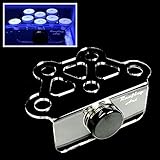
- Top Pick: Reefing Art Magnetic Coral Frag Rack Strongest N52 Magnets Holds up to 41 Plugs (Medium Slim)
- Best Value: Magnetic Reef Coral Frag Rack Floating Rock Strong Magnets Strong N52 Magnets for 1/2" Glass (Coralline Purple)
- Premium Choice: Reefing Art Magnetic Coral Frag Rack Strongest N52 Magnets Holds up to 41 Plugs (Large Max)

TL;DR: A frag rack is the most practical way to stage new coral frags for observation, healing, and placement before committing them to the display rockwork. Magnetic racks offer the most flexible repositioning without disturbing the tank; egg-crate DIY racks cost less but lack precision. Flow positioning and light intensity at rack height are the two variables that determine frag survival rate. Best pick: ASIN B07PZWLRRT.
Best Aquarium Frag Rack for Coral Reefs 2026
Coral fragging — the process of cutting, dividing, or propagating coral colonies — is the hobby within the hobby for serious reef keepers. Whether you are fragging your own established colonies to trade with other hobbyists, receiving frags from a local reef club, or buying frags from an online vendor, a dedicated frag rack is the essential intermediate step between “just arrived” and “placed in the display.” Frags need to heal their cut tissue, acclimate to your tank’s specific flow and light levels, and be observed for signs of stress or pest introduction before being positioned permanently on your rockscape. A properly placed frag rack makes all of this manageable without repeatedly disturbing your established coral colonies.
As an Amazon Associate we earn from qualifying purchases at no extra cost to you.




🛒 Best Price Today on Amazon
Prime members get fast, free shipping on everything above, plus member-only deals. New members get a 30-day free trial — cancel anytime.
Start 30-Day Prime Free Trial →See Today’s Amazon DealsTypes of Frag Racks for Reef Tanks
- Magnetic frag racks: Two-piece design with an internal magnet inside the tank and an external magnet outside the glass. Cling to the tank wall at any position — adjust height and location without getting your hands wet. The gold standard for in-display frag staging. Weight rating is critical; most hold 8–15 plugs of standard 3/4-inch diameter.
- Suction cup racks: Attach to the tank glass via suction cups. Less adjustable than magnetic, and suction cups lose grip over time in saltwater — a dropped rack can damage corals beneath it. Reliable for lighter frags; less suited for heavy SPS colonies.
- Freestanding / aquascape-mounted racks: Acrylic or PVC structures that sit on the substrate or mount to rockwork. Best for large volumes of frags; not repositionable without physical tank disturbance.
- DIY egg-crate racks: Fluorescent light diffuser grid cut to size, suspended with zip ties or acrylic rods. Maximum frag capacity at minimal cost. Standard for high-volume frag propagation setups; less aesthetic for display tanks.
Top Pick: Aquarium Frag Rack for Reef Tanks
BEST OVERALL
Two Little Fishies Frag Rack Magnetic
BEST LARGE CAPACITY
Innovative Marine Frag Rack Magnetic 20-Plug
BEST BUDGET
Coral Frag Rack Suction Cup 10-Plug Acrylic
Frag Rack Spec Comparison
| Spec | Two Little Fishies Magnetic | IM Magnetic 20-Plug | Suction Cup Acrylic |
|---|---|---|---|
| Mount type | Magnetic | Magnetic | Suction cup |
| Plug capacity | 10–12 plugs | 20 plugs | 10 plugs |
| Glass thickness rating | Up to 3/4 inch | Up to 1/2 inch | N/A |
| Plug hole diameter | 3/4 inch standard | 3/4 inch standard | 3/4 inch standard |
| Material | Acrylic + neodymium magnet | Acrylic + neodymium magnet | Acrylic |
| Repositionable | Yes — no hands wet | Yes — no hands wet | Partially (re-suction) |
| Best for | Display tanks up to 3/4 in. glass | High-volume propagation | Nano/thin-glass tanks |
Positioning Your Frag Rack for Maximum Coral Survival
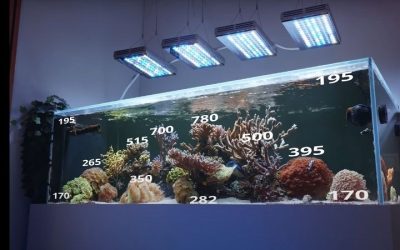
Two variables determine whether frags thrive or die on the rack: flow and light intensity. New frags — particularly SPS (small polyp stony) — are more susceptible to both low flow (which allows detritus accumulation and bacterial infection at the cut tissue) and excess light intensity (which stresses already-compromised photosynthetic tissue). The general protocol for new frag staging:
- Position at mid-tank height initially — not at the top where light intensity is highest, not at the substrate where flow is lowest.
- Orient toward indirect flow — enough movement to keep detritus off the plug and prevent bacterial accumulation, but not direct powerhead blast that physically stresses healing tissue.
- Observe for 48–72 hours before considering placement adjustment. Polyp extension (or lack of) is the primary health indicator for LPS and SPS; zoanthid frags should open within 12–24 hours of stable conditions.
- Acclimate light intensity gradually if moving frags from a lower-light source tank to a higher-PAR display. Use the rack to stage frags at lower PAR initially and reposition higher over 1–2 weeks.
Pair your frag rack with a quarantine protocol to prevent pest introduction. New frags should ideally spend 4–6 weeks in a dedicated quarantine tank (see our quarantine tank setup guide) treated with coral-safe pest dips (CoralRx, Bayer) before entering the display. If going directly to display — a common hobbyist compromise — a frag rack at minimum keeps new acquisitions isolated from your rockscape while you observe for Acropora-eating flatworms, nudibranchs, or rapid tissue necrosis. For reef tank builders starting a skimmer and sump system, our protein skimmer guide covers flow requirements by tank volume.
Related Guides
- Aquarium Salt Marine Mix Reef Review
- Best Aquarium Overflow Box for Sump Filtration
- Aquarium Coral Frag Plug Disk Review
- Best Beginner Saltwater Aquarium Kit 2026
Frequently Asked Questions
What size frag plugs fit standard frag racks?
The 3/4-inch (19mm) diameter plug is the de facto standard in the reef hobby — virtually all commercial frag racks, plug trays, and coral vendors use this size. A minority of vendors use 1-inch or 1.5-inch “puck” style bases for larger colonies; these require correspondingly larger rack hole sizes. When purchasing a frag rack, confirm it accepts standard 3/4-inch plugs — the Two Little Fishies and Innovative Marine racks both use this standard.
How thick can my aquarium glass be for a magnetic frag rack?
Magnetic frag rack holding strength drops significantly as glass thickness increases. The Two Little Fishies rack is rated for glass up to 3/4 inch (19mm) — appropriate for most 75–150 gallon display tanks. Larger tanks with 1-inch or thicker glass (180+ gallon, custom rimless builds) require specifically rated heavy-duty magnetic racks or neodymium magnet upgrades. Always test the magnetic hold before loading frags — a dropped rack onto established coral is a costly accident.
Can I use a frag rack for soft corals and zoanthids?
Absolutely — frag racks are as useful for soft corals and zoanthids as for SPS and LPS. Zoanthid frags glued to plugs are one of the most traded coral types in the hobby, and staging them on a rack before placing in the rockscape lets you confirm they are opening and healthy before committing to a position. Soft corals (leathers, Kenya trees, mushrooms) often need 1–2 weeks on a rack after fragging before their cut base fully heals and they are ready for permanent placement.
How do I glue coral frags to plugs?
Cyanoacrylate gel (super glue gel, not liquid) is the standard reef-safe adhesive — the same chemistry as aquarium plant glue used in freshwater planted tanks. Apply a small amount to the dry plug surface, press the coral base firmly for 30–60 seconds, then submerge. The glue cures underwater and is inert once set. Use gel formulation only — liquid super glue creates white exothermic reaction clouds underwater that can chemically burn coral tissue. For two-part epoxy applications (heavier frags on larger pucks), use a reef-safe epoxy putty worked until uniform in color before application. See our aquarium super glue guide for brand comparisons and techniques.
How many frag racks do I need for a reef tank?
For a hobbyist trading frags occasionally: one 10–12 plug magnetic rack handles most use cases. For active coral propagators trading through local reef clubs or online markets: two racks plus a dedicated frag tank (even a simple 20-gallon with a skimmer and reef-spec lighting) is the practical minimum for managing inventory without overcrowding your display. High-volume propagators quickly outgrow tank-mounted racks and transition to dedicated frag systems — a separate conversation from display reef keeping.
Ready to decide? Our #1 pick for 2026 is the Mount type.
Live price & availability on Amazon.
Related Reviews & Guides

Aquarium Wave Maker Powerhead Reef
Best Nano Reef Tank Starter Setup: Top Compared Beginner Guide