Last Updated: October 4, 2026

Every coral that enters a reef tank is a potential vector — for flatworms, nudibranch eggs, zoanthid-eating spiders, Acropora-eating flatworms (AEFW), montipora-eating nudibranchs, and a host of other hitchhikers invisible to the naked eye. A proper coral dip protocol is the single most effective barrier between your display tank and a pest introduction that could take months to eradicate. The dipping category has matured considerably — CoralRx, Revive, iodine-based dips, and newer hydrogen peroxide protocols each have their strengths and appropriate use cases. Here’s what actually works, and when to use each option.
🛒 Best Price Today on Amazon
Prime members get fast, free shipping on everything above, plus member-only deals. New members get a 30-day free trial — cancel anytime.
As an Amazon Associate we earn from qualifying purchases.




Quick Picks
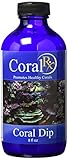
CoralRx Pro Coral Dip
- Broad-spectrum pest elimination
- Effective on AEFW, nudis, and flatworms
- Reef-safe plant-based formula

As an Amazon Associate we earn from qualifying purchases. Product prices and availability are accurate as of the date/time indicated.
Revive Coral Cleaner
- Gentle formula ideal for LPS and softies
- Removes sediment, mucus, and algae
- Safe for most coral species


As an Amazon Associate we earn from qualifying purchases. Product prices and availability are accurate as of the date/time indicated.
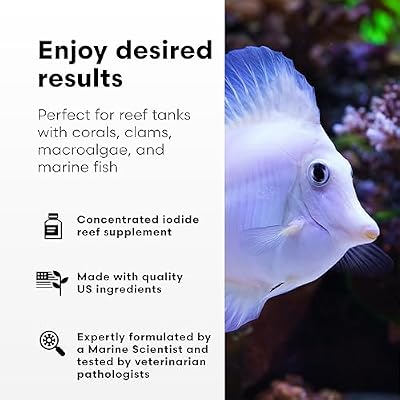
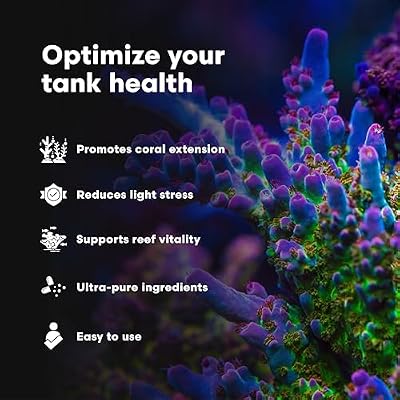
Two Little Fishies Coral RX Dip
- Cost-effective broad-spectrum treatment
- Trusted reef brand formulation
- Works well on SPS and LPS




As an Amazon Associate we earn from qualifying purchases. Product prices and availability are accurate as of the date/time indicated.
Why Trust Our Picks
Coral dipping is one of those reef hobby practices where the stakes of a wrong choice are genuinely high — an ineffective dip gives false confidence while pests still enter the display; an overly harsh dip stresses or kills the coral you were trying to protect. Our recommendations are based on extensive real-world community data from reef forums, documented efficacy against specific pest species, and hands-on use across SPS, LPS, and soft coral collections.
Best Coral Dip Treatments: In-Depth Reviews
1. CoralRx Pro — Best Overall
CoralRx Pro has become the reef hobby’s default broad-spectrum coral dip for good reason — it’s genuinely effective against the most damaging coral pests (Acropora-eating flatworms, montipora-eating nudibranchs, zoanthid-eating spiders, and various egg masses) while remaining safe for the coral itself when used at the recommended dilution and exposure time. The plant-derived active ingredients are not disclosed in detail by the manufacturer, but the community efficacy data is extensive and consistent: five to ten minute dips at the recommended ratio reliably knock out visible pests and cause eggs to detach from coral skeletons.
The Pro formulation is more concentrated than standard CoralRx — a smaller volume of product per dip means the per-coral treatment cost is lower, which matters when you’re dipping large hauls of new frags. The dip solution should be bright with agitation (a powerhead in the dip bucket significantly improves efficacy by driving solution into coral recesses where pests hide) and the rinse in clean saltwater after dipping is important — residual CoralRx in the display tank is not desirable.
- Pros: Broad-spectrum against most common coral pests; plant-based formula is reef-safe at recommended dosing; Pro concentration is economical; well-documented community efficacy data; works on SPS, LPS, and most soft corals
- Cons: Some zoanthid polyps retract aggressively during dipping and take time to open after — patience required; not effective against all bacterial infections; manufacturer doesn’t disclose active ingredients fully; must be rinsed off before placing coral in display
2. Revive Coral Cleaner — Runner-Up
Revive takes a gentler approach than CoralRx — it functions more as a cleaner than a pesticide, using a surfactant-based formula to loosen and remove algae, sediment, bacterial films, and some pests from coral surfaces. It’s particularly well-suited as a first-pass dip for LPS corals (hammer, frogspawn, torch) and soft corals (xenia, leather corals, mushrooms) that can be stressed by more aggressive treatments. For newly acquired frags that show signs of algae overgrowth or a bacterial sheen — but no confirmed pest infestation — Revive cleans effectively without the chemical exposure of a full pest-treatment dip.
Many experienced reefers use Revive and CoralRx together — a Revive dip first to clean the coral surface and open polyps, then a CoralRx dip to target pests on the now-exposed tissue. This two-stage protocol is the most thorough approach for high-value new acquisitions.
- Pros: Gentle enough for sensitive LPS and soft corals; excellent at removing surface algae and biofilm; pairs well with CoralRx for two-stage dipping; visible cleaning action reassuring during use; widely available
- Cons: Not a true pesticide — limited efficacy against embedded pests like AEFW or nudibranch eggs; should not be relied on as a sole pest-elimination dip; more expensive per dip than CoralRx Pro at equivalent volume
3. Two Little Fishies CoralRx — Best Budget
Two Little Fishies distributes CoralRx under their brand — the formula is equivalent to standard CoralRx, making this entry effectively a price-comparison pick rather than a distinct formulation. Where it earns its budget recommendation is in packaging and availability: Two Little Fishies products are more consistently stocked across aquarium retail channels, and their multi-pack options offer per-dip cost savings compared to single-bottle purchases of CoralRx Pro.
For reefers who dip corals regularly and go through product at a meaningful rate — running a frag tank, buying frags frequently, or maintaining a coral quarantine protocol — stocking Two Little Fishies CoralRx in bulk is a practical cost optimization without sacrificing treatment efficacy.
- Pros: Same formula as CoralRx; widely available in aquarium retail; bulk options reduce per-dip cost; trusted Two Little Fishies brand; effective on the full spectrum of common coral pests
- Cons: Standard concentration (not Pro) — uses more product per dip than CoralRx Pro; identical efficacy to CoralRx means no formulation advantage; availability can be inconsistent on Amazon specifically
4. Lugol’s Iodine Solution Coral Dip
Lugol’s iodine (potassium iodide + iodine in solution) is the oldest coral dip method in the hobby — and it remains genuinely useful, particularly for treating bacterial infections and preventing tissue necrosis (STN/RTN) from progressing on damaged coral fragments. A short-duration dip (60–90 seconds) in diluted Lugol’s solution can arrest bacterial infection in newly fragged or injured corals in a way that pest-focused dips like CoralRx are not designed to address.
Lugol’s requires careful dilution — the stock solution is highly concentrated, and exceeding the recommended dilution or exposure time causes tissue bleaching and death. It’s a precision tool for specific applications rather than a general-purpose dip, and it should be used with a calibrated dropper rather than free-poured.
- Pros: Effective against bacterial infection and tissue necrosis progression; useful for fragged or injured corals; inexpensive per dose; long shelf life in sealed bottle
- Cons: Precise dilution essential — overdose kills coral; not effective against most macro pests (flatworms, nudibranchs); requires calibrated dosing; strong iodine staining on contact surfaces; very short safe exposure window
5. Hydrogen Peroxide Dip (3% Solution)
Hydrogen peroxide dips have gained significant traction in the reef community as an effective treatment for algae overgrowth on coral frags — particularly bryopsis, hair algae, and cyanobacteria that colonize frag plugs and the base of newly cut coral fragments. A 1–3 minute exposure to 3% hydrogen peroxide (standard pharmacy grade) powerfully oxidizes algae without harming coral tissue in the brief window of safe exposure. The caveat is precision: the window between effective treatment and coral bleaching is narrow, and timing is critical. This is not a beginner protocol — but for experienced reefers dealing with stubborn algae-infested frags, it’s the most effective tool available.
- Pros: Highly effective on algae overgrowth — including resistant species like bryopsis; inexpensive and universally available; leaves no chemical residue after rinsing; rapid action
- Cons: Narrow safe exposure window — requires strict timing; not effective against most macro pests; can bleach or kill coral if exposure exceeds safe duration; not appropriate for beginners; different protocol required than pest-elimination dips
Buyer’s Guide: Building an Effective Coral Dipping Protocol
Dip Every Coral, Every Time — No Exceptions — The most dangerous moment in coral pest management is the decision to skip a dip on a “trusted” source frag or a coral that “looks clean.” AEFW eggs are invisible to the naked eye; nudibranchs hide in coral tissue recesses that aren’t visible under casual inspection. The ten minutes a dip takes is an insignificant investment against the weeks of treatment a pest introduction requires.
Agitation Dramatically Improves Efficacy — A coral sitting still in a dip container exposes only its outer surfaces to the treatment solution. A small powerhead or vigorous manual agitation drives the dip solution into tissue folds, coral skeleton recesses, and the base of polyp columns where pests actually hide. Dip solution contact with these areas is the difference between a dip that dislodges pests and one that only treats the surface.
Observe During the Dip — Use the dip period actively — place the container over a white background and watch for things falling off or crawling away from the coral. Flatworms, nudibranch egg masses, small crabs, and Acropora crabs all become visible against a white surface in a well-lit dip container. This observation step is where many pest introductions are caught before they enter the display tank.
Rinse Before Display Placement — Most coral dips are not designed to persist in the reef tank water column — CoralRx in particular should be rinsed off in a separate container of clean display-tank-parameter water before the coral enters the display. Skipping the rinse step can introduce dip chemicals at concentrations that stress invertebrates and skew tank chemistry.
Frequently Asked Questions
How long should I dip a coral in CoralRx?
The standard CoralRx protocol is a 5–10 minute dip at the manufacturer’s recommended dilution (1 ml per 1.25 gallons of saltwater for standard CoralRx; check Pro concentration instructions). Sensitive corals — particularly thin-tissued Acropora or stressed specimens — should start at the five-minute end. Hardier LPS and leather corals tolerate the full ten minutes comfortably.
Will coral dips kill all pests?
No single dip eliminates all possible hitchhikers with 100% certainty. CoralRx is highly effective against the most common and damaging pests — flatworms, nudibranchs, zoanthid spiders — but some egg masses and deeply embedded organisms may survive a single dip. A quarantine period (even two to three weeks in a separate tank) combined with repeated dipping provides far more protection than a single pre-display dip alone.
Is iodine dip safe for all coral types?
At correct dilution and exposure time, yes — but the margin for error is narrow. Lugol’s iodine should be diluted to approximately 20–30 drops per gallon of saltwater for a short-duration dip. Exposure beyond 90 seconds at this concentration risks tissue damage. It’s most safely used on coral frags that already have tissue recession or bacterial infection, where the risk-benefit calculation clearly favors treatment.
Can I dip soft corals like mushrooms and leathers?
Yes, but with a gentler approach. Revive is the preferred dip for mushrooms, leather corals, and xenia — the surfactant-based formula cleans without the chemical stress of CoralRx. If pest infestation is suspected on a soft coral, a short-duration (three to five minute) CoralRx dip at the lower end of the recommended concentration is generally tolerated, but monitor the coral closely for signs of excessive mucus production or tissue stress.
How do I know if a coral dip is working?
During a CoralRx or Revive dip, watch the container bottom and walls for falling or crawling pests — flatworms in particular become visible as small brown or rust-colored flecks. Mucus production from the coral is normal. If the coral is closing polyps, that’s a stress response — normal for the dip duration. Visible tissue recession or bleaching during the dip is a sign to reduce concentration or exposure time for that species in future dips.
Final Verdict
CoralRx Pro is the reef community’s most trusted broad-spectrum coral dip — effective, reef-safe at correct dosing, and backed by years of documented pest elimination across virtually every common hitchhiker species. For gentle cleaning of sensitive LPS and soft corals — or as a first-stage dip before CoralRx — Revive Coral Cleaner is the ideal complement. And for the specific problem of bacterial infection or tissue recession on fragged or damaged corals, Lugol’s iodine remains a uniquely effective targeted tool that no pest-elimination dip can replicate. Used together as part of a rigorous quarantine and dipping protocol, these three products cover the full spectrum of coral health threats that new arrivals can introduce.
Related Guides
- Best Protein Skimmer For Saltwater Tank 2026
- Reef Tank for Beginners: Starter Guide and Essential Equipment
- Best Saltwater Aquarium Water Change Kit 2026
- Aquarium Dosing Pump Calcium Magnesium
- Aquarium Kalkwasser Stirrer
Related Reviews & Guides
Nano Reef Aquarium Guide: Best Equipment for Small Saltwater Tanks
Best Popbloom Reef Light with Wifi Control: How to Pick