Last Updated: October 9, 2026
- Top Pick: Marine Macro Bundle – 1 Frag Red Gracilaria Hayi & 1 Frag Red OGO Gracilaria – Ideal for Marine Aquarium Setup
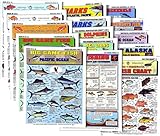
- Best Value: Saltwater Fish Identification Chart Set – Waterproof Quick Reference Guide
- Premium Choice: The 101 Best Aquarium Plants: How to Choose Hardy, Vibrant, Eye-Catching Species That Will Thrive in Your Home Aquarium (Adventurous Aquarist Guide)
🛒 Best Price Today on Amazon
Prime members get fast, free shipping on everything above, plus member-only deals. New members get a 30-day free trial — cancel anytime.
The Best Marine Fish for Beginners to Start With
One of the most common mistakes new saltwater aquarists make is purchasing beautiful but delicate marine fish that are too challenging for an immature system. Choosing hardy, adaptable species that tolerate the inevitable learning curve of a new saltwater tank dramatically improves the chance of success. The best marine fish for beginners are forgiving of minor parameter fluctuations, accept a variety of prepared foods, and resist disease well. Here are the top species to consider for your first marine setup.
As an Amazon Associate we earn from qualifying purchases at no extra cost to you.





1. Ocellaris Clownfish (Amphiprion ocellaris)
Ocellaris clownfish are the quintessential beginner marine fish. Captive-bred specimens are disease resistant, adapt readily to aquarium life, accept a wide variety of foods, and stay small enough for tanks as small as 10-20 gallons. They are peaceful toward most tank mates and do not require an anemone to thrive, though they will readily host in one if available. Their iconic orange-and-white coloration and entertaining personality make them a perennial favorite at every level of the hobby. Always purchase captive-bred specimens.
2. Firefish Goby (Nemateleotris magnifica)
Firefish gobies are elegant, peaceful nano fish with vibrant red and orange posterior coloration that makes them stunning accents in any reef or FOWLR tank. They stay small (to about 3 inches), are completely reef-safe, and readily accept a variety of small frozen and prepared foods. Firefish prefer tanks with plenty of live rock for retreating and are best kept in pairs or as single specimens in tanks under 30 gallons. They are exceptional jumpers, so a tight-fitting lid is essential for any firefish-containing tank.
3. Tailspot Blenny (Ecsenius stigmatura)
The tailspot blenny is a charismatic, hardy nano fish that makes an excellent beginner marine species. It reaches only about 2.5 inches in length and spends much of its time perching on rockwork, using its pectoral fins to prop itself up while surveying its territory — a behavior that endears it to every fishkeeper who keeps one. Tailspot blennies are omnivores that readily accept a variety of algae-based flake, pellet, and frozen foods. They are peaceful, reef-safe, and exceptionally hardy — tolerating the imperfect conditions of new tanks better than most marine fish.
Buying Guide: Choosing Hardy Marine Fish
- Tank cycling first: Never add fish to a tank that has not completed a full nitrogen cycle. Ammonia and nitrite spikes in an uncycled tank are lethal even to hardy species.
- Captive-bred priority: Choose captive-bred fish whenever available. They are healthier, more disease-resistant, and their care does not impact wild reef ecosystems.
- Quarantine all new fish: Even healthy-looking fish can carry parasites. A 4-week quarantine in a separate hospital tank prevents disease introduction to your display tank.
- Stocking order: Add the most peaceful species first and most aggressive last. Establish territories before introducing territorial fish to reduce conflict.
- Feeding variety: Offer multiple food types to new fish — frozen mysis, brine shrimp, and high-quality pellets — to ensure they are eating before considering them established.
Hardy Marine Fish That Suit Beginners
Starting a saltwater tank is far more rewarding when you choose forgiving, hardy fish that tolerate the small parameter swings new aquarists inevitably make. Several species have well-earned reputations as beginner-friendly. Ocellaris clownfish are perhaps the classic choice, being hardy, readily captive-bred, and full of personality. Many damselfish are extremely tough, though some can be territorial as they mature. Certain blennies and gobies are peaceful, hardy, and stay small, making them excellent for modest tanks. These species adapt well to aquarium life and handle minor mistakes better than delicate fish.
When selecting beginner marine fish, prioritize captive-bred specimens where available, since they are accustomed to aquarium foods and conditions and survive far better than wild-caught counterparts. Consider adult size and temperament before buying, as a tiny fish at the store may grow large or become aggressive. Researching each species’ needs and compatibility prevents the common disappointment of stocking a tank with fish that outgrow it or fight. A short list of hardy, well-matched species is the foundation of a successful first marine tank.
Acclimation, Compatibility, and Care
Marine fish are more sensitive to sudden changes than most freshwater species, so careful acclimation is critical when introducing them. Slowly equalizing the temperature and then the water chemistry, often through drip acclimation, reduces the shock of moving between the bag and your tank. Quarantining new arrivals for a few weeks in a separate tank is strongly recommended in the marine hobby, as it lets you observe for disease and treat problems before they reach your display.
Compatibility planning keeps a marine community peaceful. Add the most peaceful fish first and the more assertive species last, so no single fish establishes the whole tank as its territory. Avoid overcrowding, which raises aggression and strains water quality, and research whether a fish is reef-safe if you keep corals or invertebrates. A varied diet of quality marine foods, stable salinity and temperature, and consistent water changes keep beginner marine fish healthy. With hardy species, patient acclimation, and good husbandry, a first saltwater tank can thrive and build the experience needed for more demanding fish later.
Related Guides
- Reef Tank for Beginners: Starter Guide and Essential Equipment
- Best Aquarium Frag Rack for Coral Reefs 2026
- Best Chiller For Saltwater Aquarium 2026
- Aquarium Refractometer Salinity Tester
- Aquarium Hydrometer Salinity Refractometer
Frequently Asked Questions
What is the best beginner saltwater fish?
Captive-bred ocellaris clownfish are a popular first choice for their hardiness and personality. Certain blennies, gobies, and some damselfish are also hardy and beginner-friendly.
Should I buy captive-bred or wild-caught marine fish?
Captive-bred fish are generally a better choice for beginners because they are already used to aquarium foods and conditions. They tend to survive and adapt far better than wild-caught specimens.
How do I acclimate new marine fish?
Equalize temperature first, then slowly match water chemistry, often through drip acclimation, to reduce shock. Quarantining new fish for a few weeks before adding them to the display is strongly recommended.
In what order should I add marine fish?
Add the most peaceful species first and the more assertive ones last, so no single fish claims the whole tank. This reduces territorial aggression in the community.
Are all beginner marine fish reef-safe?
Not necessarily. Some hardy fish may nip corals or eat invertebrates, so check each species’ reef-safe status before adding it to a tank with corals. Compatibility research prevents costly mistakes.
Final Thoughts
Starting with hardy, beginner-appropriate marine fish is the most reliable path to saltwater aquarium success. Clownfish, firefish gobies, and tailspot blennies represent the most forgiving and enjoyable entry points into marine fishkeeping. Build your system around these proven species, maintain stable water quality, and you will have a thriving saltwater tank that motivates you to explore more challenging species over time.
Related Reviews & Guides


Protein Skimmer for Saltwater Tanks

Reef LED Programmable Coral Light