Last Updated: October 4, 2026
- Top Pick: Tropic Marin Coral Clean 250 ml.
- Best Value: Manganese, 120 mL Highly Concentrated Trace Element Supplement for Reef Tanks Saltwater Aquariums, Maximizes Coral Health, 3X Manganese Potency, Dosing Dropper Included
- Premium Choice: Brightwell Aquatics Calcion Calcium Supplement for Reef Aquariums 250ml
🛒 Best Price Today on Amazon
Prime members get fast, free shipping on everything above, plus member-only deals. New members get a 30-day free trial — cancel anytime.
Introduction
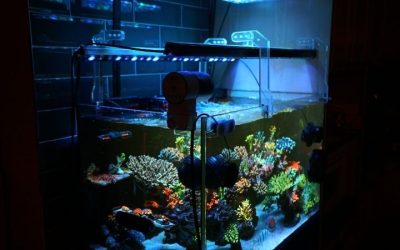
Caring for saltwater coral successfully requires understanding their dual nature as animal and photosynthetic organism — corals house symbiotic algae in their tissue that provides most of their energy through photosynthesis, while also capturing planktonic food from the water column with their tentacles. Getting coral care right means optimizing both light delivery and water chemistry simultaneously, maintaining the stable conditions these sessile animals need to grow, color up, and thrive long-term in the captive reef environment.
As an Amazon Associate we earn from qualifying purchases at no extra cost to you.




What to Look For
- Coral Difficulty Level: Start with soft corals and LPS (large polyp stony) species like mushrooms, zoanthids, hammer coral, and frogspawn before attempting SPS (small polyp stony) corals — softer species tolerate parameter fluctuations that would bleach or kill the more demanding SPS varieties.
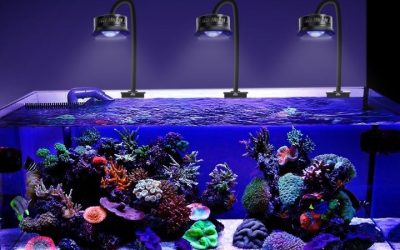
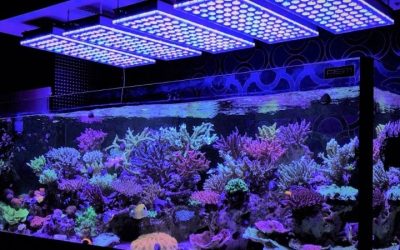
- Lighting Spectrum and Intensity: Most reef corals thrive under blue-heavy LED spectrum peaking around 450–470nm — this wavelength drives photosynthesis most efficiently in zooxanthellae and produces the stunning fluorescent coloration that makes reef corals so visually spectacular under actinic lighting.
- Flow and Placement: Different coral genera have different flow preferences — euphyllia (hammer, frogspawn) prefer moderate, indirect flow while acropora requires strong, turbulent water movement; research each coral's flow requirements before placing it in the tank to prevent tissue damage from inappropriate current levels.
Top Picks
Brightwell Aquatics Reef Code A and B Two-Part System
Brightwell Aquatics' Reef Code is a two-part calcium and alkalinity dosing system that maintains both parameters simultaneously without the pH instability associated with kalkwasser or the complexity of calcium reactors. The balanced A+B formula ensures that calcium and alkalinity are added in the correct ratio, preventing the gradual imbalances that lead to coral growth inhibition and bleaching. This system scales from small nano reefs to large mixed-reef displays.
Polyp Lab Reef-Roids Coral Food
Polyp Lab Reef-Roids is one of the most widely recommended coral foods in the reef keeping community, providing a fine-particle suspension of marine plankton that triggers strong polyp extension and feeding responses in both LPS and soft corals. Regular targeted feeding with Reef-Roids dramatically accelerates coral growth rates and improves coloration compared to light-only systems, and the fine particle size is appropriate for corals across a wide range of polyp sizes.
Seachem Reef Advantage Magnesium
Magnesium is frequently overlooked in reef chemistry maintenance despite being the third critical pillar of coral health — low magnesium causes calcium and alkalinity to precipitate out of solution, making it impossible to maintain target levels regardless of how much you dose. Seachem Reef Advantage Magnesium is a highly soluble, easy-to-dose supplement that raises magnesium rapidly without affecting other parameters, and its quality and purity are consistent batch to batch.
Water Quality and Lighting for Corals
Healthy corals depend on pristine, stable water more than almost anything else, so successful reef keeping starts with water chemistry. Corals draw down calcium, alkalinity, and magnesium as they grow, and these core parameters must be kept stable, typically through testing and supplementation. Keep salinity steady near a specific gravity of 1.025, temperature around 75 to 80 degrees Fahrenheit, and nutrient levels low but not zero. Consistency is the watchword, since corals tolerate slightly off values far better than rapid swings.
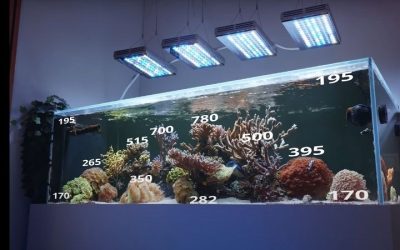
Lighting is the other pillar of coral health, because many corals host symbiotic algae that photosynthesize and feed their host. Different corals have different light requirements: soft corals and many large-polyp stony corals are more forgiving, while small-polyp stony corals demand intense, high-quality lighting. Position corals in the tank according to their light and flow needs, giving high-light species the brighter upper areas and lower-light species shadier spots, and acclimate new corals gradually to avoid light shock.
Flow, Placement, and Supplementation
Water movement is essential for corals, delivering food and oxygen, carrying away waste, and preventing detritus from settling on coral tissue. Reef tanks benefit from strong, varied, turbulent flow rather than a single direct jet, often achieved by crossing the output of two powerheads. Match flow intensity to your corals, as some prefer gentle currents and others thrive in vigorous movement.
- Maintain core parameters: Test and supplement calcium, alkalinity, and magnesium to keep them stable.
- Match light to coral type: Place demanding stony corals high and forgiving softies lower, acclimating new arrivals slowly.
- Provide turbulent flow: Varied, indirect movement keeps detritus off corals and delivers nutrients.
Acclimating New Corals Safely
Bringing new corals into a reef tank requires patience to avoid shock. Acclimate them gradually to your water chemistry, and just as importantly, ease them into your lighting, since a coral moved suddenly under intense light can bleach. Many keepers start new corals lower in the tank or shaded and move them up over days to weeks. Dipping new corals in a reef-safe solution before adding them helps remove pests and parasites that could hitchhike into your display. Place each coral with enough space to grow without touching neighbors, since many corals sting competitors. Careful, gradual introduction gives new corals the best chance to settle in and flourish.
Frequently Asked Questions
What water parameters do corals need?
Corals need stable salinity near 1.025, a temperature around 75 to 80 degrees Fahrenheit, and steady calcium, alkalinity, and magnesium levels. Stability matters more than perfection, since corals react badly to rapid swings.
What kind of lighting do corals require?
Requirements vary by coral: soft and large-polyp stony corals are relatively forgiving, while small-polyp stony corals need intense, high-quality light. Place each coral according to its light needs and acclimate new ones gradually.
Why is water flow important for corals?
Flow delivers food and oxygen to corals, removes waste, and keeps detritus from smothering their tissue. Reef tanks generally do best with strong, varied, turbulent movement rather than a single direct stream.
What are easy corals for beginners?
Soft corals and many large-polyp stony corals are considered beginner friendly because they tolerate a wider range of conditions. Mastering stable water quality with these before attempting demanding small-polyp stony corals is a wise approach.
Do I need to dose supplements for corals?
Yes, as corals grow they consume calcium, alkalinity, and magnesium, which must be replaced to keep levels stable. Regular testing tells you how much to add, whether by hand or with an automated dosing system.
Final Thoughts
Successful saltwater coral care is built on the foundation of stable, appropriate water chemistry and adequate quality lighting — master these two elements and the majority of commonly kept reef corals will grow, color up, and thrive in your aquarium. Start with forgiving species, test your water religiously, and dose consistently to maintain the stable chemical environment that reef corals require for long-term captive success.
Related Reviews & Guides



What Size Protein Skimmer for 75 Gallon Reef? Size Guide With Measurements (2026)
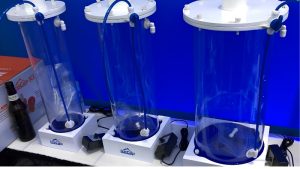
Best Kalkwasser Stirrer For Reef Tanks: Top Compared Guide