Last Updated: October 4, 2026
🛒 Best Price Today on Amazon
Prime members get fast, free shipping on everything above, plus member-only deals. New members get a 30-day free trial — cancel anytime.
Why an Aquarium Dosing Pump Is Essential for Reef Tanks
Reef aquariums constantly consume calcium, alkalinity, and magnesium as corals use these elements to build their skeletons. Manually adding supplements daily is time-consuming and introduces inconsistency — and consistency is critical for coral health. An aquarium dosing pump automates this process, delivering precise, programmed doses of two-part additives or calcium reactant solutions on a set schedule throughout the day. This maintains stable, predictable water chemistry that corals thrive in. Here are the best aquarium dosing pumps for reef tanks of every size.
As an Amazon Associate we earn from qualifying purchases at no extra cost to you.
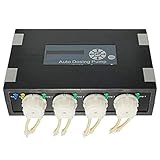

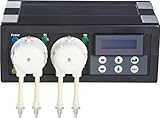


1. BRS Dual Channel Peristaltic Dosing Pump
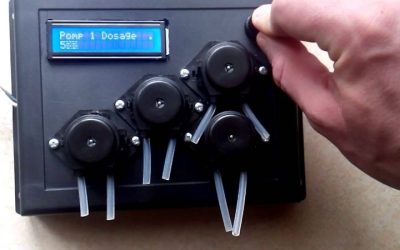
BRS (Bulk Reef Supply) dosing pumps are among the most popular and reliable entry-level dosing solutions for reef tanks. The dual channel peristaltic pump delivers two separate solutions (calcium and alkalinity) simultaneously and can be programmed for multiple small doses throughout the day rather than one large daily dose, improving stability. BRS pumps are compatible with a wide range of aquarium controller systems and are priced accessibly for beginner to intermediate reef keepers who want to move beyond manual two-part dosing.
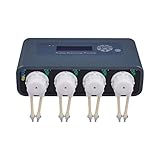
2. Kamoer X4 WiFi Automatic Dosing Pump
The Kamoer X4 is a four-channel WiFi-connected dosing pump that allows aquarists to control dosing schedules remotely via smartphone app. With four independent channels, it can dose calcium, alkalinity, magnesium, and a fourth additive (such as amino acids, trace elements, or probiotic bacteria) on separate schedules. The Kamoer X4 features an accurate peristaltic head design and quiet operation, making it suitable for living room display tanks. Its app-based programming is intuitive even for users new to automated dosing.
3. Neptune Systems DOS Dosing and Fluid Metering System
Neptune Systems DOS (Dosing and Optical Sensing) is a premium dosing system designed to integrate with the Apex aquarium controller ecosystem. It uses optical flow sensing to verify that each dose is actually delivered — alerting the user if a tube runs dry or a clog occurs. This verification capability makes the DOS the most reliable dosing solution available and is particularly valuable for high-value SPS coral tanks where dosing failures can rapidly harm corals. It is the go-to choice for serious reef aquarists who run full Apex controller setups.
Buying Guide: Choosing an Aquarium Dosing Pump
- Number of channels: A two-channel pump handles calcium and alkalinity. Four-channel units add magnesium and a fourth supplement. Choose based on your coral mix and supplementation plan.
- Dose accuracy: Peristaltic pumps are the standard for accuracy. Calibrate your pump before first use by timing a measured dose and adjusting programming accordingly.
- Dose frequency: More frequent, smaller doses produce more stable chemistry than one large daily dose. Programs with 4-12 daily micro-doses are preferred for SPS tanks.
- Controller integration: If you run an Apex or other aquarium controller, choose a compatible dosing pump that integrates with your existing system for centralized monitoring.
- Tube maintenance: Peristaltic tubing degrades over time. Inspect and replace tubing every 12-18 months to prevent dose inaccuracies from worn heads.
What a Dosing Pump Does for a Reef Tank
In a thriving reef aquarium, corals constantly consume key elements from the water, and a dosing pump is the tool that replaces them with precision. As corals grow they draw down calcium, alkalinity, and magnesium, the trio that forms the backbone of stable reef chemistry. A dosing pump delivers measured amounts of supplement on an automated schedule, keeping these parameters steady instead of letting them drift between manual additions. Stability is the goal, since corals respond far better to consistent conditions than to fluctuating ones.
Most reef keepers begin by dosing the big three: calcium and alkalinity to support coral skeleton growth, and magnesium to keep the other two in balance. Because alkalinity and calcium can react if dosed together, they are added at separate times, which is exactly where a multi-channel dosing pump excels. By spreading small doses throughout the day, the pump avoids the sharp swings that come from adding everything at once.
Calibrating and Dosing Accurately
A dosing pump is only as good as your research and calibration. Before relying on it, test your tank to learn how quickly each element is being consumed, then calculate the daily dose needed to keep levels stable. Calibrate the pump so the volume it delivers matches what it reports, and recheck periodically as tubing ages.
- Test first: Measure calcium, alkalinity, and magnesium to determine your tank’s consumption before setting doses.
- Separate reactive supplements: Schedule calcium and alkalinity dosing at different times so they do not precipitate.
- Spread doses out: Many small doses across the day keep parameters more stable than one large dose.
Integrating Dosing Into Reef Maintenance
A dosing pump works best as part of a consistent overall maintenance routine rather than a set-and-forget gadget. Keep up with regular testing, because your corals’ demand for calcium and alkalinity rises as they grow, meaning your doses will need periodic adjustment. Top off evaporated water with fresh water to keep salinity stable, since dosing assumes a steady salt level. Refill your supplement containers before they run dry so dosing never stops, and route the dosing lines so additions enter an area of good flow for quick mixing. Combined with routine water changes and attentive observation, automated dosing keeps reef chemistry remarkably stable and your corals thriving.
Frequently Asked Questions
What does a reef dosing pump do?
It automatically delivers measured amounts of supplements like calcium, alkalinity, and magnesium on a schedule to replace what corals consume. This keeps key parameters stable, which corals need to grow and stay healthy.
What should I dose in a reef tank?
The most common additions are calcium, alkalinity, and magnesium, the core elements corals use to build their skeletons. Testing your water shows how fast each is consumed so you can set appropriate doses.
Why dose calcium and alkalinity separately?
Calcium and alkalinity supplements can chemically react and precipitate if added at the same time. A multi-channel dosing pump lets you schedule them at different times to avoid this and keep both stable.
How do I know how much to dose?
Test your tank over time to measure how quickly each element drops, then calculate a daily dose that offsets that consumption. Recheck regularly, since demand rises as corals grow.
Do I need to calibrate a dosing pump?
Yes, calibration ensures the pump actually delivers the volume it reports, which is essential for accurate dosing. Recalibrate periodically because tubing wears and flow can drift over time.
Final Thoughts
An aquarium dosing pump transforms reef maintenance from a daily manual chore into a set-and-monitor routine that supports your corals' health around the clock. Whether you start with a simple dual-channel BRS pump or invest in a fully integrated Neptune DOS system, automated dosing is one of the most impactful upgrades a reef keeper can make. Choose a system scaled to your tank size and coral demands, calibrate carefully, and enjoy the stability it brings to your reef.
Related Reviews & Guides


Best AquaIllumination Hydra LED for Coral Growth Reviews
Common Mistakes When Buying a Calcium Reactor: Top Compared