Last Updated: October 17, 2026
- Marine Angelfish at a Glance
- Two Groups, Two Different Commitments
- Popular Dwarf Species
- Tank Size and Layout
- Reef Safety: What “Reef-Safe With Caution” Means
- Diet and Feeding
- Behaviour and Tank Mates
- Difficulty, Health and Lifespan
- Decision Table: Which Angel for Which Tank
- Buying and Quarantine Steps
- Water Parameters and Maintenance
- Who Should Skip Saltwater Angelfish
- Frequently Asked Questions
Saltwater angelfish are marine fish in the family Pomacanthidae, and they split into two very different groups: dwarf angelfish (genus Centropyge), which stay at or under about 15 cm and are usually kept in mature systems of roughly 55 gallons (about 200 litres) or more, although sources vary, and large angelfish (such as emperor, queen and French angels), which grow to a foot or more, need hundreds of litres and are generally unsafe in reef tanks. Most are moderate to advanced fish, and even the “reef-safe with caution” dwarfs may nip corals. Freshwater angelfish (Pterophyllum) are an unrelated cichlid and have completely different needs.
Quick answer: Our top pick in 2026 is the Dwarf angels (Centropyge) — our #1 rated choice. See the full ranked comparison, alternatives and buying advice below.
Marine Angelfish at a Glance
| Group | Typical adult size | Tank guidance | Reef safety | Difficulty |
|---|---|---|---|---|
| Dwarf angels (Centropyge) | About 8 to 15 cm; the genus is rarely longer than 15 cm | Sources vary widely: Practical Fishkeeping lists a 120 x 45 x 30 cm tank (about 160 litres) for flame and coral beauty angels, while hobby sources cite anything from 30 to 70 gallons, with 55 gallons or more commonly preferred; smaller species such as the cherub are reported in smaller systems, and larger dwarfs do better with more space | Reef-safe with caution; may nip clams, large-polyp stony corals and zoanthids | Moderate to advanced |
| Large angels (Pomacanthus, Holacanthus and relatives) | A foot or more as adults | Juveniles need large tanks; hobby guides suggest adults need very large systems of 150 gallons or more, often much more (figures vary by species) | Generally reef-incompatible | Advanced |
| Freshwater angelfish (Pterophyllum) | Different family, freshwater cichlid | Not relevant to marine tanks | Not applicable | Not applicable |
Two Groups, Two Different Commitments
Dwarf Angelfish (Centropyge)
The Centropyge genus contains roughly three dozen described species, and Practical Fishkeeping gives around 15 cm as the largest size the group reaches. They are the angelfish most often considered for home aquariums because of their size. They are still territorial reef fish with strong personalities, and they need rockwork for hiding and grazing.

Brightwell Aquatics AngeLixir Angelfish Food Enhancer, 125ml
Included for 'Saltwater Angelfish: Species, Tank Size and Reef Safety' because the listing specifies 125ml, details this guide uses to compare options.
View on Amazon
Brightwell Aquatics AngeLixir Angelfish Food Enhancer, 250ml
Included for 'Saltwater Angelfish: Species, Tank Size and Reef Safety' because the listing specifies 250ml, details this guide uses to compare options.
View on Amazon
Dayoluva Instant Baby Brine Shrimp Fry & Small Fish Food, No Hatch Required, High-Protein with DHA, Staple Fry Food for Betta, Guppy, Discus, Angelfish, Freshwater & Saltwater Fish (50ml/1.7 fl oz)
Included for 'Saltwater Angelfish: Species, Tank Size and Reef Safety' because the listing specifies No Hatch Required and High-Protein with DHA, details this guide uses to compare options.
View on Amazon
Ocean Nutrition Fish Feeder Seaweed Clips for Saltwater Fish - Aquarium Suction Cups, Holds Food Intact, Prolongs Feeding Process, Pack of 2 for Tangs, Rabbitfish, Marine Angelfish, Wrasses, Damsels
Included for 'Saltwater Angelfish: Species, Tank Size and Reef Safety' because the listing specifies Aquarium Suction Cups and Holds Food Intact, details this guide uses to compare options.
View on AmazonLarge Angelfish
The larger genera include the emperor, queen, French, blue and rock beauty angelfish. Retail and hobby sources describe juveniles as colourful and tempting to buy, but adults can reach a foot or more (some species around 40 cm), need very large and mature systems and are described as unsuitable for reef tanks because they graze on corals, sponges and other sessile invertebrates. Juveniles often change colour and pattern dramatically as they mature, and they are generally considered fish for experienced keepers with large aquariums.
Popular Dwarf Species
| Species | Approx. size | Notes from hobby sources |
|---|---|---|
| Cherub / pygmy angelfish (Centropyge argi) | About 8 cm | Western Atlantic; hobby sources describe it as one of the smaller and hardier Centropyge, kept in smaller tanks than other species (recommended minimums range from about 20 to 55 gallons) |
| Flame angelfish (C. loricula) | About 10 cm | Orange and red with blue-edged fins; generally described as hardy; reef-safe with caution, and some guides report a higher tendency to nip LPS corals and zoanthids than the coral beauty |
| Coral beauty (C. bispinosa) | About 10 cm | Purple and orange; widely available and often named as a better reef option; may pick at clams and soft coral |
| Lemonpeel angelfish (C. flavissima) | About 14 cm | Yellow with a blue eye ring; FishBase lists up to 14 cm and a maximum reported age of 11 years; some sources do not consider it reef safe |
| Bicolour angelfish (C. bicolor) | About 15 cm | Practical Fishkeeping lists the bicolour among the largest dwarfs at up to about 15 cm; hobby guides generally treat it as a poorer reef candidate |
| Multicolour angelfish (C. multicolor) | Roughly 10 cm | Colourful; commonly given about 55 gallons or more for one fish |
Sizes are approximate; individual fish and different sources vary. Some rarer dwarfs carry a high price and are significantly harder to keep, so research the specific species.
Tank Size and Layout
Sources vary, so use these as ranges and not fixed rules:
- Small dwarfs (such as the cherub): Hobby sources range from about 20 to 30 gallons up to 55 gallons for a single cherub; the smaller figures demand very stable water and are on the small side.
- Medium dwarfs (flame, coral beauty, multicolour): Practical Fishkeeping lists a 120 x 45 x 30 cm tank (about 160 litres) for flame and coral beauty; retail sources give anywhere from 30 to 70 gallons, and newer guides tend toward 55 to 70 gallons or more.
- Larger dwarfs (lemonpeel, bicolour): sources vary from about 30 gallons (older guides) to 70 gallons or more; the larger figure is the safer plan.
- Large angelfish: hobby guides describe juveniles as needing roughly 100 to 150 gallons as temporary housing and adults needing 150 gallons or more, with the biggest species such as emperor and queen angels requiring even larger setups.
Length matters more than height because angelfish need horizontal swimming room. A mature tank with lots of live rock gives them places to graze and hide. Because angels are jumpers when startled, a lid or tight-fitting cover is sensible.
Reef Safety: What “Reef-Safe With Caution” Means
Marine hobby guides describe dwarf angelfish as reef-safe with caution, not reef-safe. This means the fish may leave the corals alone for months and then start nipping, and the keeper should accept possible coral losses. Common targets include:
- Large-polyp stony (LPS) corals
- Zoanthids and soft corals
- Clam mantles
Small-polyp stony (SPS) corals usually fare better. Good feeding reduces but does not eliminate nipping, and tank maturity and each fish’s personality play a big role. Practical Fishkeeping notes there are no guarantees with corals and that a mature fish-only-with-live-rock (FOWLR) system is safest. Large angels such as emperor, queen, French and rock beauty are generally considered reef-incompatible and belong in fish-only tanks.
Diet and Feeding
Angelfish graze on algae, sponges and small invertebrates in the wild. In aquariums, hobby sources recommend:
- Small meals at least twice a day, with some guides suggesting two to three feedings.
- Marine algae sheets such as nori, plus spirulina-based foods.
- Frozen mysis, chopped seafood and other meaty foods.
- Sponge-based angelfish formulas, especially for larger species that naturally eat sponge.
Variety helps reduce nipping. A diet heavy on one type of food can lead to health problems and picky eating.
Behaviour and Tank Mates
- One dwarf per tank is the safe default. Dwarf angels are territorial, and hobby guides say two together need at least 100 gallons and often more (some say 125 gallons or larger for coral beauties) with plenty of rockwork breaking sight lines. Some species can be kept in harems in very large systems, but results vary.
- Add the angel late. Placing it after more peaceful fish reduces territorial aggression.
- Avoid aggressive tank mates. Larger damsels, triggerfish and some wrasses can bully it.
- Beware of similar shapes. Fish of similar body shape, including other angels, may fight.
Difficulty, Health and Lifespan
Dwarf angelfish are generally rated moderate to advanced. They are sensitive to transport stress and marine parasites, and copper-based treatments must be dosed carefully, according to hobby guides. Many keepers quarantine new fish for several weeks in a separate tank before adding them to the display. Wild-caught fish are normal in this group, and some individuals refuse to eat in captivity. Lifespan figures are patchy: FishBase lists a maximum reported age of 11 years for the lemonpeel, and some hobby guides claim 10 to 15 years or more for coral beauties, which is unverified. Plan for a commitment of a decade or more. Large angels need even more space and experience, and buying a small juvenile does not change that.
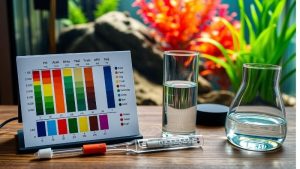
Welfare note: an unstable, immature or tiny tank is the most common reason for angelfish decline. Use a reliable test kit, keep salinity and temperature stable, and consult a marine fish veterinarian or an experienced local reef club if a fish stops eating.
Decision Table: Which Angel for Which Tank
| Your setup | Better choice | Avoid |
|---|---|---|
| Mature 55 to 75 gallon reef with soft and LPS corals (nipping risk remains) | A single coral beauty or flame angel, accepting some risk | Bicolour, any large angel |
| Small mature system with SPS-heavy corals | Cherub angel, with caution (small systems still need stable water) | Species that pick at polyps if you value your corals |
| Fish-only with live rock, 200 litres or more | Lemonpeel or flame angel | Mixing several dwarfs without very large space |
| Very large fish-only tank (hundreds of gallons) | Juvenile large angels bought with the adult tank in mind | Buying a juvenile without a plan for adult size |
| New tank under a few months old | Wait and build the system first | Any angelfish |
Buying and Quarantine Steps
- Research the exact species. Common names are confusing and some look-alike dwarfs have very different needs and sizes.
- Wait for a mature tank. Angels graze on algae and micro-organisms in live rock, and many keepers wait several months after cycling before adding one.
- Look for a fish that is already eating. Ask the seller to show it feeding on prepared food. Thin or hiding fish are poor risks.
- Quarantine for several weeks. A bare separate tank lets you observe feeding and treat parasites without harming corals. Copper treatments harm invertebrates and require careful dosing, so ask an experienced marine keeper or a marine veterinarian for guidance.
- Add it after peaceful tank mates. The angel then arrives into an established community and is less likely to claim the whole tank as its territory.
- Monitor coral for the first weeks. If nipping starts, offer more algae and varied foods, and be ready to rehome the fish.
Water Parameters and Maintenance
Marine angelfish come from warm, stable tropical reef water, so stable temperature and salinity matter more than chasing exact numbers. Typical reef or fish-only setups use a heater, a controller, a hydrometer or refractometer and regular testing of ammonia, nitrite, nitrate and alkalinity. Sudden swings stress fish and make parasitic disease more likely. Plan on regular partial water changes with matched saltwater and keep rockwork stable so it cannot collapse on a fish. Sponge-eating large angels in particular rely on a varied diet, and poor nutrition is a recognised cause of decline in captivity.
Who Should Skip Saltwater Angelfish
Angelfish are a poor match for a tank under a few months old, for keepers who cannot test water regularly, and for anyone who wants guaranteed coral safety. People with delicate clams or prized LPS colonies should think carefully before adding even a dwarf. Anyone tempted by a small juvenile of a large species should decide in advance where a fish of a foot or more will live, because rehoming oversized marine fish is difficult. If the budget covers only a small system, a hardier and smaller marine fish is a more welfare-friendly choice than a stressed angelfish in cramped quarters.
Frequently Asked Questions
Are saltwater angelfish the same as freshwater angelfish?
No. Freshwater angelfish (Pterophyllum) are cichlids from South America, while marine angelfish belong to the family Pomacanthidae. They have different water, diet, tank and behaviour needs, and care guidance for one does not apply to the other.
Which saltwater angelfish is most reef safe?
No marine angelfish is considered completely reef safe. Hobby guides usually name coral beauty, flame and cherub angelfish as the better options for reef tanks, with the cherub often described as less prone to nipping, but individuals vary and any of them can nip clams, LPS corals or zoanthids.
How big a tank does a dwarf angelfish need?
Sources vary: Practical Fishkeeping lists about 160 litres for flame and coral beauty angels, and hobby guides give anywhere from 30 to 70 gallons, with 55 gallons or more commonly preferred. Small species such as the cherub are sometimes kept in smaller systems, but a larger, mature tank gives more stability.
Can I keep two dwarf angelfish together?
It is risky. Hobby sources suggest at least 100 gallons with extensive rockwork, and success depends on species and individuals. Many keepers choose a single dwarf to avoid fighting.
What do saltwater angelfish eat?
They eat a mixed diet of marine algae, frozen mysis and other meaty foods, and sponge-based angelfish diets, fed in small portions two or more times daily. A varied diet reduces coral nipping but does not remove it.
Are saltwater angelfish good for beginners?
Generally no. They are sensitive to stress, need a mature system and can be expensive to replace. Beginners usually do better learning marine basics with hardier fish first.
Why does my angelfish nip my corals?
Angelfish naturally graze on sessile invertebrates. Even well-fed individuals can start picking at corals or clam mantles. Offer varied foods, provide algae-covered rock and be prepared to remove the fish if damage continues.
Ready to decide? Our #1 pick for 2026 is the Dwarf angels (Centropyge).
Live price & availability on Amazon.
Related Reviews & Guides
6 Best Stands For 20 Gallon Fish Tank 2026
Angelfish Care Guide: Tips for Keeping These Stunning Cichlids