Last Updated: September 30, 2026
Dosing pump noise is condition-bound, so no maker publishes a same-condition decibel benchmark you can rank directly. The best quiet dosing pump is the one with documented low-noise design run at settings that keep it quiet, so understand what actually drives noise before trusting any whisper-soft or near-silent claim.
As an Amazon Associate we earn from qualifying purchases.
By David Nguyen
Quick answer: For most people in 2026, the best quiet dosing pump is the Neptune DŌS QD — our #1 rated choice. See the full ranked comparison, alternatives and buying advice below.
What Actually Makes a Doser Noisy
A peristaltic doser makes sound from its motor, rollers, and tubing, and how much depends on speed and mechanical load. Faster flow, poor tubing alignment, a suction-side head, and worn or blocked lines all add noise, so quietness comes from both the design and how you run the pump, not from a single rating.
Speed and Flow Rate Drive Noise
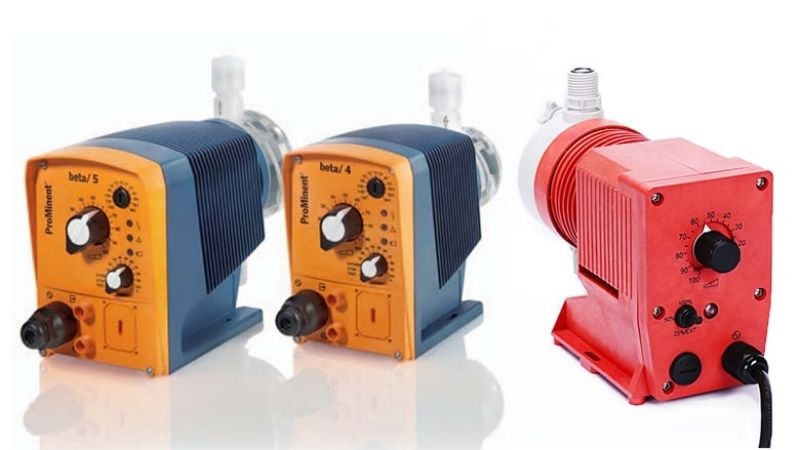
The biggest lever on noise is how fast the pump runs, since higher flow means faster rollers and more sound. EcoTech’s support notes that a lower rate reduces noise and suggests staying under about 20 to 30 mL per minute for quieter use, so a pump run slowly is often quieter than a nominally silent one pushed hard.
Because noise scales with speed, the same pump can be quiet or audible depending on the dose you set. Kamoer’s own support says the X1 PRO T is not silent and that higher continuous flow can be heard, so plan to run any doser at the lowest rate your schedule allows if quiet operation is a priority for you.
Tubing Alignment and Suction-Side Head
How the tubing is routed and where the pump sits relative to the liquid both affect the sound it makes. Poor tubing alignment or a suction-side head can add noise and vibration, so a pump that is quiet on a bench can become audible once plumbed awkwardly, which is why installation matters as much as the pump itself.
Plan the line path and mounting before blaming the pump, since small changes often cut noise more than swapping hardware. Route tubing smoothly, mount the pump against a solid surface to limit vibration, and position it sensibly, because these steps address causes a decibel rating never captures.
Wear and Blockage Add Sound
Noise is not a single-cause problem, and a pump that grows louder over time is often telling you about wear or a partial blockage. Peristaltic tubing wears, and a restricted line makes the motor work harder, so rising noise can be a maintenance signal rather than an inherent flaw in the pump’s design.
Treat a change in sound as a prompt to inspect rather than to tolerate, since addressing the cause restores quiet operation. Check tubing for wear, kinks, or debris and replace worn parts on schedule, since a well-maintained pump run at a sensible speed stays far quieter than a neglected one.
Maker Claims Are Not dB Tests
Quiet claims come from makers and sellers, not standardized decibel tests, so treat them as directional rather than exact. Neptune describes the DŌS as whisper-soft, BRS calls a ReefDose mode whisper-quiet, and AUTOAQUA calls its unit compact and quiet, but none is a measured figure you can compare directly.
Because there is no common benchmark, weigh the described conditions rather than the adjectives alone. A claim tied to a specific low-flow mode is more useful than a bare whisper-soft label, so read what condition the quiet applies to, and expect real-world noise to depend on your speed, tubing, and upkeep regardless.
Quiet Dosing Pumps
These four verified pumps carry maker or seller quiet claims tied to specific conditions rather than measured decibels, so read each in context. The right pick depends on the flow rate you will run, how you plumb and maintain the pump, and how much weight you place on a documented low-noise mode.
Neptune DŌS QD
The Neptune DŌS QD suits a reefer who wants a maker-described quiet pump integrated with Apex. Neptune calls it whisper-soft to near-silent across a 0.1 to 250 mL per minute range, so at modest dosing rates it is documented as quiet, though there is no published decibel figure to compare against other pumps directly.
Its strength is a strong maker quiet claim paired with Apex integration for scheduled dosing. The catch is that the claim is descriptive, not measured, and it requires an Apex controller, so verify the quiet holds at your flow rate, and count the ecosystem cost before choosing it purely for low noise.
EcoTech Versa
The Versa fits a keeper willing to run a low flow rate to keep noise down. EcoTech support calls it extremely quiet and notes that a lower rate reduces noise, recommending under about 20 to 30 mL per minute for quieter operation, so its quietness is explicitly condition-bound to how slowly you run it.
Its strength is that the maker gives an actionable condition for quiet use rather than a bare claim. The trade-off is that at higher continuous rates it will be more audible, so plan to dose at the lower end of its range where quiet matters, and treat the recommendation as the key to keeping it silent.
AUTOAQUA Smart Doser2
The AUTOAQUA Smart Doser2 suits a keeper who wants a compact pump the maker describes as quiet for two liquids. It runs up to about 21 mL per minute per head with plus or minus two percent accuracy, so at typical dosing speeds it fits a quiet routine, though again there is no measured decibel value to rank it by.
Its strength is a compact, maker-described quiet design with app scheduling for two channels. The catch is the absence of a dB figure and a 1 mL minimum dose, so confirm the quiet holds at your rate and that your smallest dose fits, since the claim is directional rather than a tested benchmark you can compare.
Red Sea ReefDose4
The ReefDose4 fits a reefer who wants a documented whisper-quiet mode across four channels. BRS notes that its 15 mL per minute mode prioritizes whisper-quiet operation, so run at that slower setting for the quietest result, with fine plus or minus 0.05 mL accuracy across a 0.2 to 1000 mL per day range per head.
Its strength is a seller-documented quiet mode tied to a specific slow flow rate, which is more useful than a vague claim. The trade-off is that the wording is a seller claim rather than a dB test, so expect noise to rise at faster modes, and choose the slow mode when quiet operation is your priority.
| Product | Quiet Claim | Key Spec | Watch Out For |
|---|---|---|---|
| Neptune DŌS QD | Whisper-soft (maker) | 2 heads; 0.1–250 mL/min | No dB; needs Apex |
| EcoTech Versa | Quiet at low rate | 1 head; run <20–30 mL/min | Louder at high flow |
| AUTOAQUA Doser2 | Compact and quiet | 2 heads; ~21 mL/min; ±2% | No dB; 1 mL minimum |
| Red Sea ReefDose4 | Whisper-quiet mode | 15 mL/min mode; ±0.05 mL | Seller claim, not dB |
Quiet Dosing Pump FAQs
These questions come up when keepers shop for a quiet doser. Each answer leads with the direct call, then the condition that changes it, so you can judge noise from documented design and how you run the pump rather than assuming a whisper-soft label guarantees silence at every flow rate and setup.
Is there a truly silent dosing pump?
No pump is guaranteed silent, and there is no standardized decibel test to prove it. Makers use terms like whisper-soft or near-silent, and Kamoer even states its X1 PRO T is not silent, so treat quiet as a matter of design plus how you run the pump rather than an absolute promise.
You can get very close to silent by running slowly and installing carefully. Choose a pump with a documented quiet mode, dose at a low rate, route tubing cleanly, and maintain the wear parts, since those steps do more for real-world quiet than chasing a label that no measured benchmark supports.
Does flow rate affect how loud a doser is?
Yes, strongly. Higher flow spins the rollers faster and makes more noise, which is why EcoTech recommends staying under about 20 to 30 mL per minute for quieter use. The same pump can be quiet or audible depending on the rate you set, so speed is the single biggest lever you control.
Where your schedule allows, dose at the lowest rate that still fits your routine. Splitting a daily amount into more, smaller doses at a slow rate can be quieter than one fast dose, so plan the schedule with noise in mind rather than running the pump at its maximum speed by default.
Can I trust whisper-quiet marketing claims?
Treat them as directional, not measured. Neptune, BRS, and AUTOAQUA all describe their pumps as quiet, but none publishes a comparable decibel figure, so the adjectives cannot be ranked head to head. A claim tied to a specific low-flow mode is more useful than a bare whisper-soft label.
Read the condition the claim applies to and expect real noise to depend on your setup. Since quiet is condition-bound, verify it holds at your flow rate, tubing, and maintenance state, because a documented quiet mode plus sensible operation tells you more than the marketing word on the box.
How do I make my dosing pump quieter?
Run it slower, plumb it cleanly, and keep it maintained. Lower flow reduces roller noise, smooth tubing alignment and a solid mounting cut vibration, and replacing worn tubing addresses the rising noise that wear and partial blockages cause, so most quieting comes from operation rather than from swapping the pump.
Treat a change in sound as a signal to inspect rather than ignore. Check for kinks, debris, and wear, service parts on schedule, and position the pump sensibly relative to the reservoir, since a well-maintained pump run at a sensible speed stays far quieter than a neglected one regardless of its quiet claim.
Final Thoughts
Quiet in a doser is condition-bound, with no measured benchmark to rank, so it comes from documented low-noise design plus running the pump slowly and maintaining it. The best quiet dosing pump is the verified unit whose quiet claim ties to a low-flow mode you will actually use, so dose slowly and plumb it cleanly.
Ready to decide? Our #1 pick for 2026 is the Neptune DŌS QD.
Live price & availability on Amazon.
Related Reviews & Guides

Best Rotary Drum Filter for Large Aquariums: Expert Picks
Best Aquarium Controller for a Vacation Setup: Trusted Picks