Last Updated: October 21, 2026
For a first saltwater tank, ease and a near-complete kit matter more than headline specs, so the best all in one saltwater tank for beginners is the forgiving, mostly-included setup with a stable volume and parts you can actually find, not the flashiest option on the shelf.
As an Amazon Associate we earn from qualifying purchases.
By David Nguyen
How to Choose an All-in-One Saltwater Tank as a Beginner
A beginner is best served by a tank that is easy to start, forgiving to run, and simple to support. What is included, how stable the volume is, and whether parts are available matter more than specs. Weigh those, and treat the AIO label as a starting point, not a guarantee of completeness.
What’s Included Sets the Learning Curve
For a beginner, the gear a tank ships with shapes the whole first experience. An all-in-one that includes a light, pump and filtration ready to run removes hurdles, while one needing many add-ons steepens the learning curve. Favor a more complete kit to start.
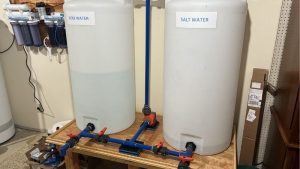
Still, AIO does not mean everything, so read the SKU. A heater, RODI water, salt and often an auto top-off are usually separate whatever the label says. Knowing the gaps before buying lets a beginner budget the essentials and avoid a stalled, incomplete first setup.
A Forgiving, Stable Volume
Beginners make parameter mistakes, so a steadier volume forgives more. Larger water volumes swing more slowly in temperature and salinity, buying time to react while you learn. A modest step up from the tiniest tank noticeably eases those early swings. That slower swing buys time to fix a newcomer’s mistakes.
Balance stability against space and budget, since bigger costs more and takes more room. A mid-nano is often the beginner sweet spot, forgiving yet manageable. Choosing for volume, not just price, gives a first tank the stability that makes early mistakes survivable.
Parts and Support You Can Find
A beginner benefits from a tank whose parts and help are easy to find. A popular model like the Fusion 15 has readily available accessories and a large community, so replacements and answers are close at hand. That support smooths the inevitable early problems.
An orphaned bargain can strand a beginner when a part fails or a question arises. Choosing a well-supported model means spares, upgrades and advice are accessible, which matters more for a newcomer than saving a little on a tank few others run. Available help matters more to a beginner than a small saving.
Match Ambitions to the Light
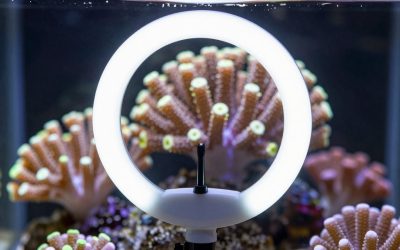
Beginners often over-expect the stock light, so set the goal honestly. Watts and Kelvin are not PAR, so a basic light suits fish and hardy softies but limits demanding corals. Deciding fish-first or reef-first up front avoids disappointment and wasted spend. Deciding fish-first or reef-first early prevents wasted spend.
For a fish or easy-softie start, a simpler tank’s light is enough; for corals, budget an upgrade or pick a reef-capable model. Matching ambitions to the light keeps the first tank realistic, so it succeeds at what you actually intend rather than under-delivering on a reef.
Top Picks
These four are ranked for beginners: forgiving volume, an included-heavy kit and available support, with the gaps noted. Specs are manufacturer-stated and prices change, so confirm current figures and what each SKU includes. The right pick matches your budget and whether you want fish or a first reef.
| Product | Best For | Key Spec | Watch Out For |
|---|---|---|---|
| Fluval EVO 13.5 | Easiest all-in start | Integrated light and filter | Basic light for corals |
| IM Fusion 15 | Popular, parts available | ~225 sq in; under $100 | Add heater and top-off |
| Waterbox AIO 20 | Roomier, more stable | 20 gallons | Verify included gear |
| Red Sea MAX NANO G2 | Most complete-feeling | ReefLED G2 60; ATO-ready | Higher cost |
Fluval EVO 13.5 — Easiest All-in Start
The Fluval EVO 13.5 is the easiest entry, shipping integrated with a light and filtration ready to run at a low cost. For a beginner it removes hurdles, with less to source before launch and a simple, self-contained design. It lowers the barrier to a first saltwater tank.
Its stock light is basic, fine for fish and hardy softies but limiting for corals, so a reef plan means an upgrade. Add a heater and top-off to complete it. As a low-cost, low-friction start it suits a cautious beginner testing the hobby before investing more.
IM Fusion 15 — Popular and Supported
The Fusion 15, near 225 square inches and listed around $100, pairs a workable size with a large community and available accessories. For a beginner, that support means spares, upgrades and advice are easy to find when early problems arise. Its popularity is a practical advantage.
Plan to add a heater and an auto top-off, since the tank leans on you to complete it. Confirm the SKU’s contents first. As a well-supported, sensibly sized nano it gives a beginner a stable base and an easy path to help, which matters more than a flashier spec.
Waterbox AIO 20 — Roomier and Stable
The Waterbox AIO 20, at a full 20 gallons, offers a beginner more forgiving volume than the smaller nanos. The extra water steadies temperature and salinity, easing the swings that trouble newcomers. Its tidy integrated design keeps the larger tank manageable for a first setup.
Verify what the SKU includes, since a light and top-off may be extra, and note it is exactly 20 gallons rather than under. The larger volume asks for a little more space and salt, but rewards a beginner with stability that makes early mistakes easier to recover from.
Red Sea MAX NANO G2 — Most Complete
The MAX NANO G2 feels the most complete for a beginner wanting corals, with a capable ReefLED G2 60 and ATO readiness built in. That integration removes the usual first upgrades, and the steadier volume forgives learning errors. It front-loads the parts a first reef needs.
The trade is a higher cost, so it suits a beginner ready to invest in doing it once. For a fish-first start it may be more than needed, but for a first reef its built-in capability lowers the early failure rate, making the extra spend a reasonable head start. Front-loading the reef parts lowers the early failure rate.
Frequently Asked Questions
Beginners ask which tank is easiest to start, what size to pick, whether AIO means everything is included, and if they can keep corals. Each answer gives the practical rule first, then the condition that adjusts it for fish or a reef. Each answer favors the forgiving path a newcomer needs most.
Which tank is easiest for a beginner?
The one that ships most complete and has good support, so there is less to source and help is close. An integrated model like the Fluval EVO 13.5 lowers the barrier, while a well-supported one like the Fusion 15 makes spares and advice easy to find. Both ease the start.
Match the choice to your goal, since a fish-first start needs less than a reef. Reading the SKU for what is included, and picking a model with an active community, does more for a beginner than chasing specs on a tank few others run and support. Support and completeness beat raw specs for a first tank.
What size should a beginner pick?
A forgiving, steadier volume, so a mid-nano often beats the tiniest tank. Larger volumes swing more slowly in temperature and salinity, buying time to react while you learn. A tank around the mid-teens to twenty gallons balances stability with manageable space and cost.
Remember system volume is not display volume, so the real water is less than the headline. Balance stability against your space and budget, and if you may add corals, a little headroom saves an early upgrade while keeping the first tank easy to run. A little headroom keeps a beginner’s first tank forgiving.
Does AIO mean everything is included?
No. An all-in-one bundles filtration into the tank, but a heater, RODI water, salt and often an auto top-off are separate, and contents vary by model. Read the exact SKU rather than the label, since two AIO tanks can ship with quite different gear. The SKU, not the AIO label, tells you the real contents.
Treat the tank as the core, not the whole system. Listing what it includes against what a stable tank needs shows the gaps before buying, so a beginner can budget the essentials and avoid a first setup that stalls for want of a missing piece. That gap check is what keeps a first setup from stalling.
Can a beginner keep corals?
Yes, starting with hardy soft corals under a suitable light, which the stock fixture may not provide. Watts and Kelvin are not PAR, so a basic light limits corals even when it looks bright. A reef-capable model, or a light upgrade, makes a coral start realistic.
Begin gentle and add corals slowly, watching how they respond. Easy softies suit a stable nano with a capable light, while demanding species need more PAR and steadier parameters. Matching corals to the light keeps a beginner’s first reef forgiving rather than frustrating.
Final Thoughts
For a newcomer, the best all in one saltwater tank for beginners is the forgiving, near-complete one with a stable volume and easy-to-find parts, not the flashiest. Read what the SKU includes, match your light to fish or corals, and add the essentials, and the first tank starts on solid ground.
DC vs AC Protein Skimmer Pump Which Is Better, Explained
Best Aquarium Sump for a Nano Reef Tank: Top Expert Guide