Last Updated: October 4, 2026
Sticker price is the smallest part of the total cost to set up a 26 gallon aio reef, because lighting, flow, rock, salt and testing often outweigh the tank itself. A current reference basket lands near under $1,500 before livestock, and each line below shows exactly where that reef money actually goes.
As an Amazon Associate we earn from qualifying purchases.
By David Nguyen
Quick answer: For most people in 2026, the best total cost to set up a 26 gallon aio reef is the Tank and return pump — our #1 rated choice. See the full ranked comparison, alternatives and buying advice below.
How Much a 26 Gallon AIO Reef Costs
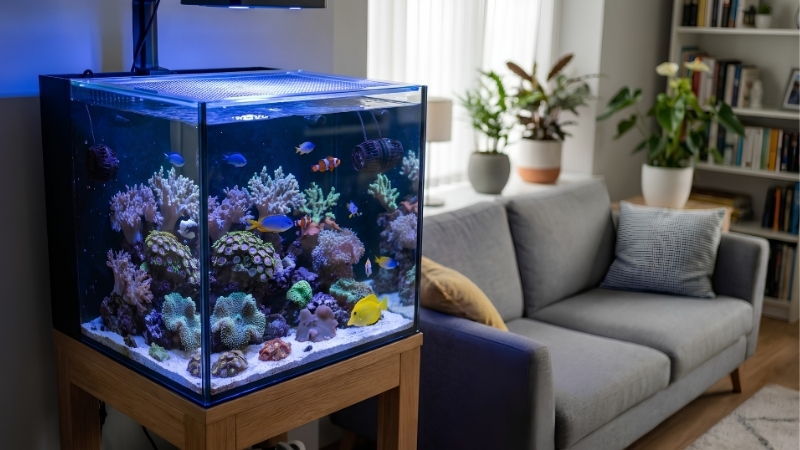
Priced as of 09/2026 from mainstream retailers, a complete build around the 26.23-gallon LANDEN 60P totals roughly $1,400 excluding a home RO/DI unit, or about $1,600 with one. The table groups that basket by function so you can swap any single line for for your own preferred reef gear choice.
| Input | Result | Note | Exception |
|---|---|---|---|
| Tank and return pump | under $350 | LANDEN 60P, 26.23 gal, 8 mm glass | Used or open-box kits cost less |
| Light and mount | under $400 | AI Prime 16HD under $300 plus under $80 mount | Softie-only tanks can use cheaper fixtures |
| Flow and heater | under $300 | AI Nero 3 under $250, Eheim JAGER 100W under $40 | Heater wattage depends on room temperature |
| Rock, sand and salt | under $200 | 20 lb LifeRock, 20 lb Arag-Alive, 55-gal salt | Dry rock costs less but cycles slower |
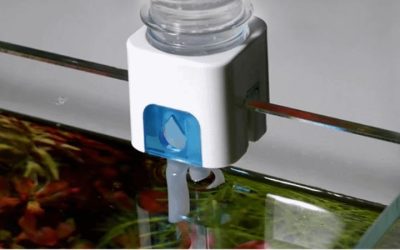
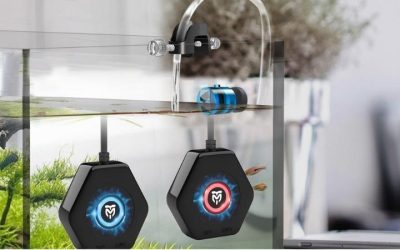
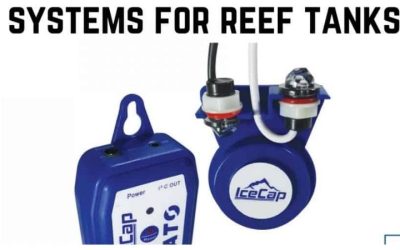
| Testing and ATO | under $300 | API kits, refractometer, Osmolator 3 Nano | Hanna Marine Master raises this line |
| Reference basket | under $1,500 | Excludes stand, livestock, tax and shipping | BRS 75 GPD RO/DI adds under $200 |
The Reference Number and What It Covers
The under-$1,500 figure covers tank, return pump, lighting and mount, a powerhead, heater, rock, sand, a salt bucket, testing gear and an automatic top-off unit, every line priced as of 09/2026. Adding the BRS 4-stage 75 GPD RO/DI system brings the reference basket to to roughly $1,600 for the same reef build.
It deliberately excludes a stand, livestock, tax, shipping, cycling bacteria, food and backup equipment, which are the lines that most often surprise first-time buyers. Treat the number as one documented basket priced on one date, not as a universal quote quote for every 26-gallon reef build out there.
How the Big-Ticket Lines Break Down
Lighting is by far the heaviest single category here: the AI Prime 16HD runs under $300 with a manufacturer-stated 24 by 24 inch coverage area, and its dedicated tank mount adds under $80. Flow and heat come next, with the AI Nero 3 for under $250 and an Eheim JAGER 100W heater for under $40 for this reference reef build.
The Nero 3 lists 2,000 GPH as a maximum, not a setting you run continuously on a tank this size, so treat that rating as headroom rather than a target. Note that published AI Prime wattage conflicts between 55W and 59W across sources, so skip electricity math until you confirm the real draw at the wall.
Reading the Table Units Correctly
Each row states a dollar figure tied to a specific product at a specific date, not a category average. Gallons, GPH and watts are different units and are not interchangeable: the LANDEN return pump is rated 185 GPH while the Nero 3 lists 2,000 GPH maximum, and neither figure describes the actual tank volume.
Do not add a powerhead’s rating to a return pump’s rating and call the result turnover; the two serve genuinely different jobs at different points in the loop. Rock quantity uses a rough guideline of about 1 pound per gallon, which varies widely with rock density density and the reef aquascape you choose.
Limits of Any Single Budget Number
Retail prices move constantly, stock rotates, and any of these items may be discontinued or discounted after publication. Big-ticket reef gear such as lights, powerheads and controllers typically sees its deepest cuts around Prime Day and Black Friday, which can can reshape this reef basket quite noticeably.
Recurring costs sit outside the setup figure entirely: salt, test reagents, RO/DI cartridges and replacement DI resin all repeat for as long as the tank keeps running. Estimate twelve months of consumables alongside the build, because they often rival a significant of what the initial reef hardware itself cost.
Adjust for Your Situation
That basket assumes one particular build. Four fairly common adjustments move the figure substantially in either direction: keeping corals undemanding, pushing flow for a mixed reef, buying water instead of making it, and choosing how precisely you want to measure measure your water parameters over time.
Soft Coral Builds Cost Less
A softie and easy-LPS tank does not need the strongest fixture on the market. Swapping out the under-$300 AI Prime 16HD and its under $80 mount for a lower-output light can remove well over $200 from the basket total, which is the largest single saving available saving available without downgrading the tank.
The trade-off is upgrade risk: if you later add demanding LPS or SPS, you end up buying lighting a second time. Verify PAR at your intended coral depth rather than trusting coverage claims, since a 24 by 24 inch coverage figure describes area at a stated height, not usable light not usable light down at the sand bed below.
Mixed Reef Flow Costs More
Mixed reefs with stony corals usually want stronger, more random flow than a single return nozzle can produce alone. The AI Nero 3 for under $250 provides that headroom, but its 2,000 GPH figure is a maximum rating; on a 26-gallon tank it typically runs at a small small fraction of that maximum setting.
If you add a second powerhead or a controller later, budget for those items separately and confirm magnet mounts match your 8 mm glass thickness. Oversized flow devices tuned too high can blast sand and irritate corals, so plan for adjustable output rather than rather than the maximum advertised numbers.
Buying Water vs. Home RO/DI
The BRS 4-stage 75 GPD RO/DI system adds under $200 and pushes the basket to about $1,600, but it removes repeated trips for water. Whether it pays back depends on local store pricing per gallon, how much you change weekly, and whether your tap chemistry water chemistry is hard on filter cartridges.
Filters and DI resin are pure consumables with no fixed lifespan; replacement intervals depend on source TDS, water pressure and volume produced. Store-bought water avoids that maintenance entirely, so compare twelve months of cartridges against twelve months of of purchased gallons before you decide.
Basic vs. Premium Testing
The reference basket uses two API test kits and a refractometer together totaling about $150. Upgrading to a Hanna Marine Master for under $500 in place of the under-$100 API pair lifts the total to roughly $1,800 without RO/DI, or about $2,000 with the BRS unit BRS unit included in the finished build.
Premium colorimeters reduce reading subjectivity but introduce their own recurring reagent costs, which continue every time you test. For a first reef, accurate salinity and a consistent testing routine usually matter more than instrument precision, so upgrade upgrade only after the reef tank is stable.
Frequently Asked Questions
These four practical questions decide whether the basket above fits your situation: whether it can realistically be done cheaper, how much rock is really needed, what the RO/DI rating means in practice, and what precision testing actually adds to the final bill adds to the final bill once reagents count.
Can you set one up for under $1,000?
Often yes, though not with this exact gear list. The largest savings come from lighting, flow and testing: a modest fixture, one single powerhead and basic kits can bring a 26-gallon build well below the under-$1,500 reference, especially when paired with a when paired with a used or open-box reef tank.
Cutting the wrong lines usually costs more later. A heater that cannot hold temperature, unreliable salinity measurement or a light too weak for your corals all force repeat purchases, so keep accurate salinity gear and adequate heating even on a tight first build build with fairly modest coral ambitions.
How much live rock does 26 gallons need?
A common starting guideline is around 1 pound per gallon, which puts a 26-gallon tank near 20 to 26 pounds. That is a rough planning figure, not a requirement, since modern porous dry rock and open aquascapes often use noticeably less while still providing still providing plenty of bacterial surface.
A 20-pound box of CaribSea LifeRock runs under $150 and 20 pounds of Arag-Alive sand adds under $40 as of 09/2026 at mainstream retailers. Buy the structure that suits your scape and flow paths first; excess rock crowds swimming space and traps detritus in a tank this size, in a tank this size, creating more work later.
What does a 75 GPD RO/DI rating mean?
It describes gallons per day the membrane can produce under the manufacturer’s rated test conditions, not what your household tap will actually deliver. Real output falls with lower pressure and colder water, so a 75 GPD unit may produce meaningfully less in a cold garage or garage or on low household water pressure.
That rating also says nothing at all about cartridge lifespan, which depends on your source water. Monitor output TDS with an inline meter and change filters based on those readings and pressure, rather than on a fixed calendar date that ignores how much water much water your reef has actually consumed.
Is premium testing gear worth the jump?
It adds roughly $400 to this reference basket, moving the total near under $1,900 without RO/DI. That buys repeatability and removes color-matching guesswork, which matters most once you dose alkalinity and calcium for stony corals and need to trust small changes trust small changes between consecutive tests.
For a new 26-gallon build with softies, that money usually does more good as better lighting or a more reliable top-off. Remember that reagents are ongoing for every method, so compare a full year of consumables rather than only the instrument price when deciding only the instrument price on the shelf.
Final Thoughts
The total cost to set up a 26 gallon aio reef lands near under $1,500 in this documented basket, about $1,600 with a home RO/DI, all priced 09/2026. Treat those figures as one transparent starting point, then swap lines to match your corals, your water source and your water source and your own reef budget.
Ready to decide? Our #1 pick for 2026 is the Tank and return pump.
Live price & availability on Amazon.
Related Reviews & Guides
Best Controllable Return Pump for Sump: Top Top Picks

6 Best LED Lighting For Reef Tank 2026