Last Updated: October 21, 2026
Bringing home a new coral frag is one of the most exciting moments in the reef hobby, but it is also where many corals are lost before they ever have a chance to grow. Unlike fish, corals cannot swim away from stress, so the shock of a sudden change in temperature, salinity, or light lands directly on their delicate tissue.
Proper acclimation is a slow, deliberate process that lets a coral adjust to your tank’s exact parameters over 30 to 60 minutes for water chemistry, and often several weeks for lighting. This guide walks through each stage so your new SPS, LPS, or soft corals settle in, open up, and start encrusting instead of bleaching or melting away.
As an Amazon Associate we earn from qualifying purchases at no extra cost to you.


⚡ Save on Your Next PC — Amazon Prime
Prime members get fast free shipping on the systems above, plus early access to Prime Day & Black Friday PC deals. New members get a 30-day free trial.
Watch: How to Acclimate Live Corals to Your Reef Tank — Video Review
Step 1: Temperature and Float Acclimation
Float the sealed bag or place the frag in an acclimation container so the water reaches your display temperature, ideally a steady 78°F. A temperature gap of more than 2-3°F is enough to stress zooxanthellae, the symbiotic algae that give coral its color.
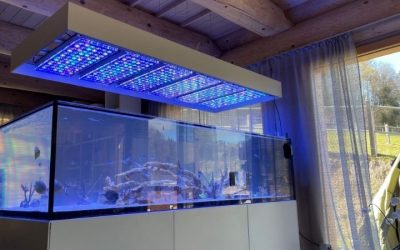
- Dim your tank lights or turn them off entirely during the first hour to reduce light shock.
- Never dump shipping water into your display; it is often low in oxygen and high in ammonia.
Step 2: Drip Acclimation for Salinity
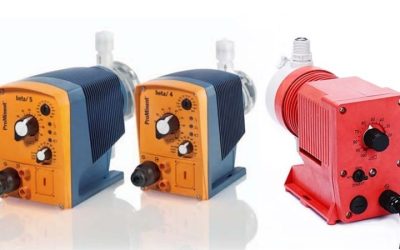
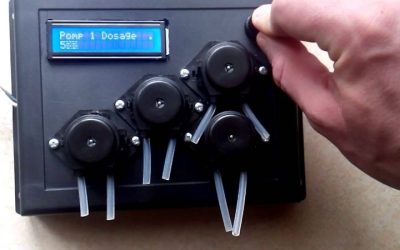
Salinity is the parameter corals are most sensitive to. Use a slow drip of roughly 2-4 drops per second so the shipping water gradually blends with your tank water over 30-45 minutes, letting the coral adjust to your specific gravity of around 1.025.
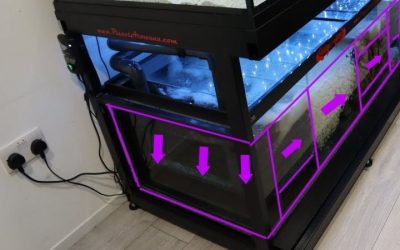
An acclimation box such as a magnet-mounted or acrylic isolation box keeps the frag contained and visible while still exposed to display water flow and stability.
Step 3: The Coral Dip
Before a coral touches your display, dip it in a dedicated coral dip to remove pests like flatworms, aiptasia, and predatory nudibranchs. Swirl the frag gently for the recommended time, then rinse in clean tank-temperature saltwater so hitchhikers never reach your rockwork.
Step 4: Placement and Light Adjustment
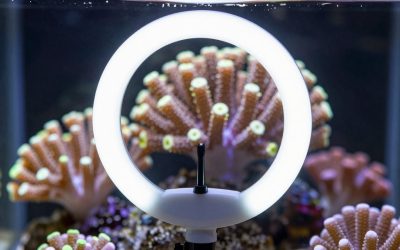
Start new corals low in the tank where light is weakest, then move them up a few inches per week over a month. This gradual increase prevents light shock, which shows up as sudden paling. Supplements such as Coralife Part A and B calcium and alkalinity buffers help newly placed corals build skeleton once they are settled.
Tips
- Quarantine new corals for two to four weeks when possible to catch pests and disease before they spread.
- Test alkalinity daily during the first weeks; swings above 1 dKH per day stress corals more than a slightly high or low steady value.
- Keep flow moderate on fresh frags so they can clear detritus without being blasted off the rock.
- Glue or epoxy frags in place only after they show open polyps, signaling they have accepted the spot.
Frequently Asked Questions
How long should coral acclimation take?
Plan on 30-60 minutes for temperature and salinity, then several weeks of gradual light and placement adjustment for full acclimation.
Do I need to dip every coral?
Yes. Even reputable frags can carry microscopic pests, and a five-minute dip is far cheaper than an aiptasia or flatworm outbreak.
Why is my new coral not opening?
Closed polyps for the first day or two are normal. If it persists beyond a week, check flow, light intensity, and alkalinity stability before moving the frag.
Can I acclimate corals and fish the same way?
The drip method is similar, but corals need extra attention to light and a pest dip, which fish do not require.
Conclusion
Successful coral acclimation is patience turned into a routine: match temperature, drip for salinity, dip for pests, and ease into light over weeks rather than hours. Get those four stages right and your frags will transition from stressed travelers to thriving, encrusting colonies that anchor a healthy reef for years.
How to Choose Protein Skimmer Capacity in 2026: What Actually Matters
4 Best Reef Aquarium Chillers 2026