Last Updated: October 9, 2026
The freshwater vs saltwater aquarium for beginners decision comes down to how many layers you want to manage: freshwater generally has fewer equipment and chemistry steps, saltwater adds salinity, and a reef adds alkalinity, calcium, magnesium, stronger flow and coral lighting on top. Neither is impossible; they differ in complexity.
As an Amazon Associate we earn from qualifying purchases.
By David Nguyen
Quick answer: For most people in 2026, the best freshwater vs saltwater aquarium for beginners is the Salinity — our #1 rated choice. See the full ranked comparison, alternatives and buying advice below.
What Actually Changes Between Them
Both are real aquariums with real upkeep, so the honest comparison is about added layers, not one being effortless. Saltwater introduces salinity, a reef stacks more chemistry, evaporation behaves differently, and both still cycle. These four differences explain why marine tanks ask more of a beginner than most freshwater setups.
Salinity Is the Core Difference
The defining change is salinity. A freshwater tank has no marine salinity target, while a marine tank must be mixed and maintained to a set level, with a common mixed-reef example around 34 ppt or 1.025 specific gravity (BRS, 2026). That single parameter drives extra tools and routine.
Maintaining salinity means mixing saltwater, measuring it with a refractometer, and topping off correctly. It is not difficult once set up, but it is a whole task that simply does not exist in freshwater, and it is the first thing a beginner takes on when moving to marine.
Both Still Need the Nitrogen Cycle
Whichever you choose, the tank must cycle before stocking. In freshwater, the goal after cycling is ammonia and nitrite reading zero with nitrate managed by water changes (Aqueon, 2026), and the same nitrogen cycle underpins a marine tank. This is common ground, not a difference.
So do not assume freshwater has no water chemistry; it has cycling, pH, hardness and nitrate to manage. The difference is that marine adds parameters on top of this shared foundation, not that freshwater is chemistry-free. Both reward testing and patience during the establishment phase.
A Reef Adds More Chemistry
Fish-only marine is a step up from freshwater, and a reef is another step again. Corals need stable alkalinity, calcium and magnesium, plus stronger circulation and coral-specific lighting, none of which a basic freshwater community tank requires. That extra chemistry is the biggest jump in ongoing effort.
A fish-only saltwater tank sits between the two, adding salinity but not full reef chemistry. Not every saltwater tank needs a protein skimmer either; it depends on the system and stocking. Match your ambition to the layers you are ready to manage, since reef keeping is the most demanding path.
Evaporation Behaves Differently
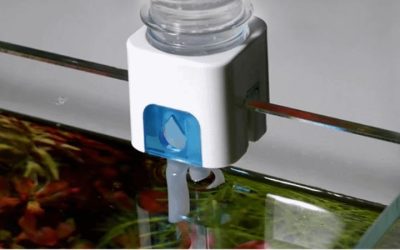
Evaporation matters more in marine tanks because of how salinity works. When water evaporates, the H2O leaves but the salts stay behind, so a marine tank’s salinity rises as it evaporates. The correct fix is to top off with fresh water, not saltwater, to keep salinity stable.
Freshwater tanks also lose water to evaporation, but without a salinity target the top-off is simpler. This is one of the small but important habits a marine beginner learns early, and getting it wrong, by topping off with saltwater, slowly drives salinity up over time.
Beginner Setup Comparison in Practice
Concrete examples make the difference clearer, but treat them as specific products, not category averages. Below are a freshwater starter, a marine all-in-one, the salinity tooling gap, and the reef-versus-fish-only choice. Prices are current snapshots for these exact kits and should not be read as what every tank costs.
| Factor | Freshwater | Saltwater | Note |
|---|---|---|---|
| Salinity | None to manage | Mixed and measured | Needs a refractometer |
| Core chemistry | Cycle, pH, hardness | Above plus salinity | Reef adds alk, Ca, Mg |
| Top-off | Simple fresh water | Fresh water only | Salts stay when water leaves |
| Example kit price | ~under $90 (10 gal) | ~under $250 (13.5 gal AIO) | Different sizes, not averages |
Freshwater Example: Aqueon 10 Gallon
A typical freshwater start is the Aqueon 10-gallon LED kit, bundling a hood, filter and heater at around $90 at Petco as of 09/2026 (Petco, 2026). It gives a beginner the core hardware to cycle a tank and keep a community of hardy freshwater fish with a relatively short equipment list.
The appeal is simplicity: fewer parameters, no salinity tool, and a lower entry cost for this kit. It still needs cycling, water changes and testing, so it is not maintenance-free, but the layer count is lower, which is why freshwater is often recommended as a first aquarium.
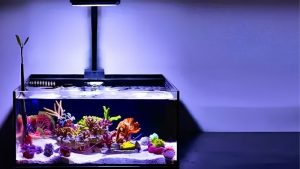
Marine Example: Fluval EVO 13.5
A common marine start is the Fluval EVO 13.5 all-in-one, with 132 GPH filtration and an included 16W, 14,000K reef LED at around $225 at Petco as of 09/2026 (Fluval, 2026). It bundles reef-capable lighting and filtration, which shortens the marine equipment list compared with piecing it together.
This kit costs more than the freshwater example, but the two are different sizes and packages, so do not read it as saltwater costing a fixed percentage more in general. It is one marine on-ramp, and you still add salt, a salinity tool, rock and testing to run it.
The Salinity Instrument Gap
The clearest tooling difference is salinity measurement. A marine tank needs a refractometer or dedicated salinity tool that a freshwater tank simply does not, and it is essential rather than optional. This is a small recurring habit, testing and adjusting salinity, that defines part of marine upkeep.
Budget for a seawater-scale refractometer alongside a marine kit from the start. It is not expensive, but forgetting it leaves you unable to run the tank properly, since salinity underpins every other marine parameter and cannot be eyeballed the way some freshwater keepers get away with.
Reef vs Fish-Only Marine
Within saltwater, the reef-versus-fish-only choice changes the workload again. A fish-only marine tank adds salinity to a freshwater-like routine, while a reef adds coral chemistry, stronger flow and specific lighting. A beginner can start fish-only and move toward corals later as confidence grows.
This staged path is often the gentlest way into marine, learning salinity first, then reef chemistry. It also means a saltwater tank does not automatically require the full reef equipment list, so match the setup to whether corals are the goal now or a future step.
Frequently Asked Questions
Beginners weighing the two ask the same things: whether saltwater is much harder, whether freshwater has any chemistry, how to top off a marine tank, and whether a skimmer is mandatory. Short answers first, then the caveats.
Is saltwater much harder than freshwater for beginners?
It is more involved, mainly because of salinity and, for reefs, extra chemistry, flow and lighting. Fish-only marine is a moderate step up from freshwater, while a reef is the most demanding. None is impossible, but marine asks a beginner to manage more layers and tools from the start.
Many people start freshwater to learn cycling and routine, then move to marine. If saltwater appeals, beginning fish-only before adding corals spreads the learning out. The right choice depends on how much complexity you want to take on rather than one being strictly better.
Does freshwater have no water chemistry?
No, that is a myth. Freshwater tanks still cycle and have pH, hardness and nitrate to manage; they simply have fewer parameters than marine. Saying freshwater has no chemistry sets beginners up to neglect testing, which causes the same problems it does in any aquarium.
The real difference is that marine adds salinity and, for reefs, alkalinity, calcium and magnesium on top of that shared foundation. Treat freshwater chemistry seriously, and the jump to marine becomes a matter of adding layers rather than learning water quality from scratch.
Do you top off a marine tank with saltwater?
No. Because evaporation removes water but leaves the salts behind, salinity rises as a marine tank evaporates, so you top off with fresh water to bring it back down to target. Topping off with saltwater instead steadily pushes salinity too high over time.
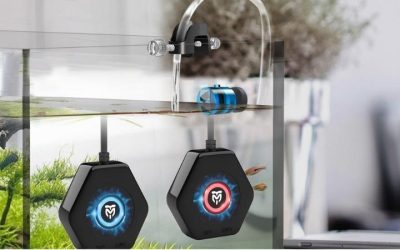
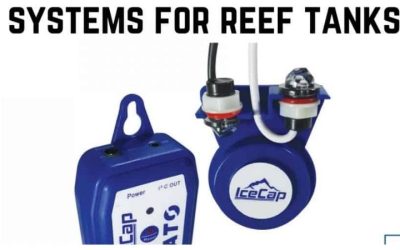
Keep a supply of fresh, dechlorinated or RO water for daily or automated top-offs, and reserve mixed saltwater for water changes. This is one of the first marine-specific habits to learn, and getting it right keeps salinity stable between changes without constant correction.
Does every saltwater tank need a protein skimmer?
No. A skimmer helps many reef and heavily stocked marine tanks, but it is not universally required, and plenty of smaller or lightly stocked systems run without one. Whether you need it depends on the tank, stocking and filtration, not on it being saltwater.
Nano marine tanks in particular often rely on water changes and filtration instead of a skimmer. Decide based on your bioload and system rather than assuming it is mandatory, and add one if nutrient control becomes a problem rather than buying it reflexively at the start.
Final Thoughts
The freshwater vs saltwater aquarium for beginners choice is really about how many layers you want to manage: freshwater keeps it simpler, fish-only marine adds salinity, and a reef adds full chemistry, flow and lighting. Both still cycle and both need testing, so pick based on the complexity you are ready for, and treat the example kits as specific products rather than category averages.
As an Amazon Associate we earn from qualifying purchases at no extra cost to you. Prices and availability are accurate as of the date shown and are subject to change.
Ready to decide? Our #1 pick for 2026 is the Salinity.
Live price & availability on Amazon.
Related Reviews & Guides

Best Aquarium Controller for Reef Tanks: Expert Picks
6 Best Saltwater Aquariums With Sump 2026