Last Updated: October 4, 2026
🛒 Best Price Today on Amazon
Prime members get fast, free shipping on everything above, plus member-only deals. New members get a 30-day free trial — cancel anytime.
Introduction
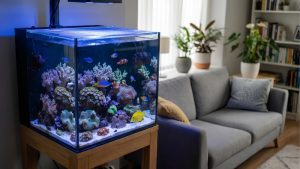
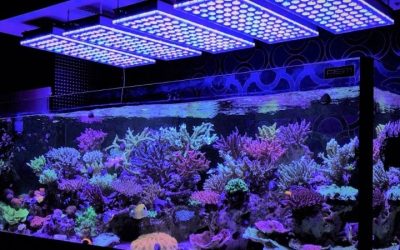
A nano reef aquarium — typically defined as a saltwater reef system under 30 gallons — offers a cost-effective, space-efficient entry point into coral keeping that has exploded in popularity thanks to advances in compact LED reef lighting and all-in-one tank designs. While small systems demand more frequent maintenance and more precise parameter management than larger reefs, modern equipment has made nano reef success genuinely achievable for dedicated beginners willing to invest time in learning the fundamentals. The intimate scale of a nano reef also creates an intensely detailed viewing experience that larger tanks cannot replicate.
As an Amazon Associate we earn from qualifying purchases at no extra cost to you.






What to Look For
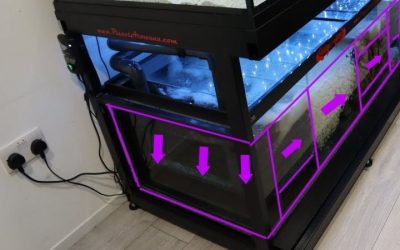
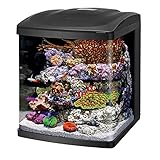
- All-In-One System Advantages: Purpose-built nano reef all-in-one tanks incorporate filtration chambers, return pump, and equipment mounts into the tank's design — eliminating the separate sump complexity of larger systems while providing a clean, organized equipment setup that suits the nano format perfectly.
- Water Change Frequency: Small water volume means parameters shift faster — nano reef keepers should expect to perform 10–20% water changes 1–2 times per week to maintain stability; consistent small water changes are more effective and less disruptive than infrequent large ones.
- Livestock Selection: Choose nano-appropriate coral and fish — small, slow-growing coral species like mushrooms, palythoa, and candy cane coral suit nano reefs perfectly, while large, fast-growing SPS colonies will quickly overwhelm the available space and increase parameter instability.
Top Picks
Innovative Marine Nuvo Fusion 10 Aquarium
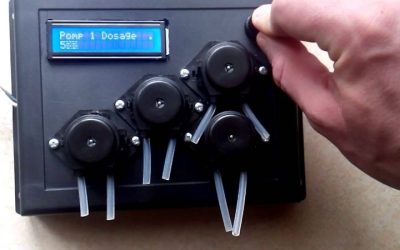
Innovative Marine's Nuvo Fusion series are among the most popular nano reef all-in-one tanks available, featuring precision-cut rimless glass, integrated rear filtration chambers, and a thoughtfully designed equipment area that accommodates heaters, dosing pump tubing, and return pumps without modification. The 10-gallon Fusion is an ideal starter nano reef size, and IM's extensive ecosystem of compatible accessories makes customization and upgrades straightforward as the reef matures.
AI Prime 16HD Reef LED Light
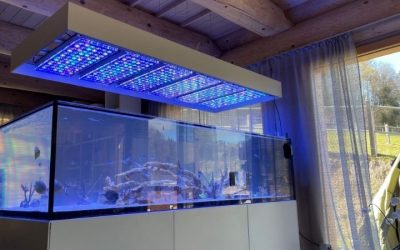
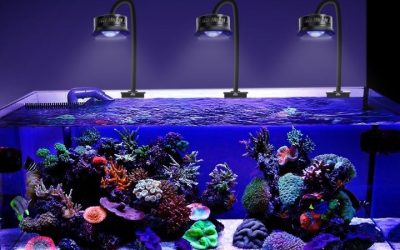
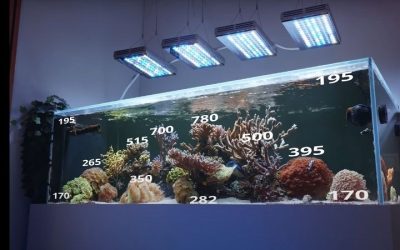
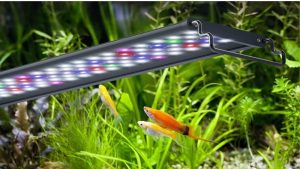
The AquaIllumination Prime 16HD is one of the most highly regarded compact reef LED lights available, delivering professional-grade spectrum control and intensity in a fixture sized perfectly for nano reef tanks up to 24 inches. Its Bluetooth and Wi-Fi app control allows detailed programming of sunrise/sunset cycles, storm effects, and intensity scheduling, and its PAR output satisfies the demands of LPS and many SPS corals at normal mounting heights. This light genuinely represents the performance tier that coral thrives under.
Reef Crystals Saltwater Mix
Reef Crystals by Instant Ocean is a premium salt mix specifically formulated for reef aquariums with elevated calcium, magnesium, and trace element concentrations that support coral growth and color from the start. Unlike standard marine salt mixes designed for fish-only systems, Reef Crystals provides the chemical foundation that reef corals expect, reducing the need for immediate supplementation when the system is freshly filled. Consistent use of quality salt mix is one of the most impactful quality decisions in nano reef maintenance.
Essential Equipment for a Nano Reef
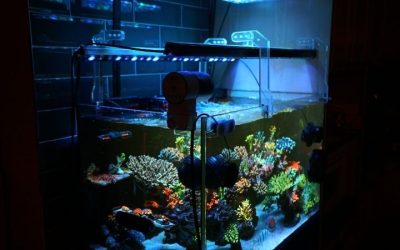
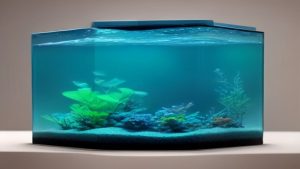
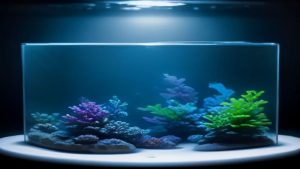
A nano reef, generally a saltwater reef system under about 30 gallons, packs a living coral ecosystem into a compact footprint, but the small water volume makes equipment choice and stability especially important. The essentials mirror a larger reef scaled down: quality reef lighting, gentle but adequate flow from a small powerhead, a reliable heater, and live rock for biological filtration and structure. Many nano reefs use all-in-one tanks with an integrated rear filtration chamber, which neatly houses filter media and a return pump while keeping the display clean. Reef-capable lighting remains essential, since corals depend on light regardless of tank size.
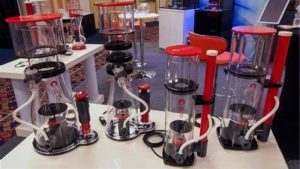
Because small volumes change quickly, precision and reliability matter even more in a nano reef than in a large system. A correctly sized, dependable heater prevents the rapid temperature swings small tanks are prone to, and accurate salinity measurement with a refractometer is critical when even small evaporation noticeably shifts concentration. Some nano keepers add a small protein skimmer, though diligent water changes can substitute in lightly stocked systems. The goal is stable, appropriately scaled equipment rather than oversized gear crammed into a small tank.
Maintaining Stability in a Small Reef
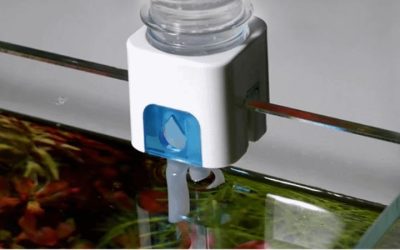
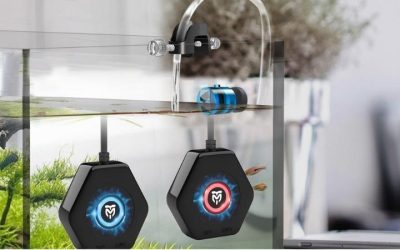
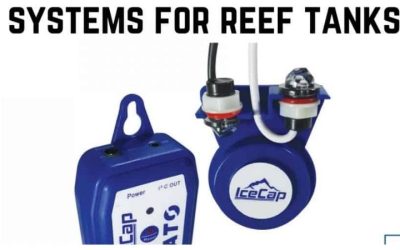
Stability is the defining challenge of nano reef keeping, because the small water volume amplifies any change. Evaporation alone can shift salinity noticeably in a day, so regular freshwater top-offs to replace evaporated water are essential to keep salinity steady; topping off with purified RO/DI water prevents mineral buildup. Parameters like temperature, salinity, calcium, and alkalinity must be monitored closely, since corals tolerate steady conditions far better than the swings a neglected nano can produce.
Frequent, modest water changes are the backbone of nano reef maintenance, exporting waste and replenishing trace elements in the small volume; many keepers change a fixed small percentage weekly using freshly mixed salt water. Light stocking is equally important, as overstocking quickly overwhelms a nano’s limited capacity to absorb waste, so restraint in adding fish and corals keeps the system stable. Start with hardy soft corals and a few small, reef-appropriate fish, and add livestock gradually after the tank has cycled fully. With consistent top-offs, regular small water changes, light stocking, and close monitoring, a nano reef can be every bit as vibrant and healthy as a much larger system.
Frequently Asked Questions
What counts as a nano reef tank?
A nano reef is generally a saltwater reef system under about 30 gallons. The compact size is appealing but demands close attention to stability because the small water volume changes quickly.
What equipment does a nano reef need?
The essentials are reef lighting, a small powerhead for flow, a reliable heater, and live rock, often in an all-in-one tank with integrated filtration. Reef-capable lighting is essential for coral health.
Why are top-offs important in a nano reef?
Evaporation can shift salinity noticeably in a small volume within a day, so regular freshwater top-offs keep salinity stable. Using purified RO/DI water for top-offs prevents mineral buildup.
How often should I do water changes in a nano reef?
Frequent, modest water changes, often a small fixed percentage weekly with freshly mixed salt water, work best. They export waste and replenish trace elements in the limited volume.
Can beginners keep a nano reef?
Yes, with attention to stability. Starting with hardy soft corals and a few small fish, keeping stocking light, and maintaining consistent parameters lets beginners succeed with a nano reef.
Final Thoughts
A nano reef aquarium is one of the most rewarding and visually captivating setups in the entire aquarium hobby, delivering the full complexity and beauty of a coral reef in a format that fits on a desk or countertop. Start with quality equipment, stock conservatively with hardy beginner coral, maintain consistent water change habits, and your nano reef will become a living centerpiece that draws admiration from everyone who encounters it.
Related Reviews & Guides

Protein Skimmer Break In Period What to Expect, Explained
6 Best Sump Reef Aquariums 2026