Last Updated: September 27, 2026

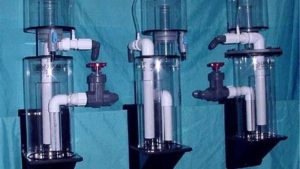
Coralife Biocube Protein Skimmer, Aquarium Skimmer
Included for 'Best Budget Protein Skimmer: Top Expert Picks for Beginners' because the listing specifies Aquarium Skimmer, details this guide uses to compare options.
View on Amazon
Coralife Hang on DC-Controlled Mini Protein Skimmer Saltwater Aquariums
Included for 'Best Budget Protein Skimmer: Top Expert Picks for Beginners' as a relevant option in this category; details come from the product listing.
View on Amazon
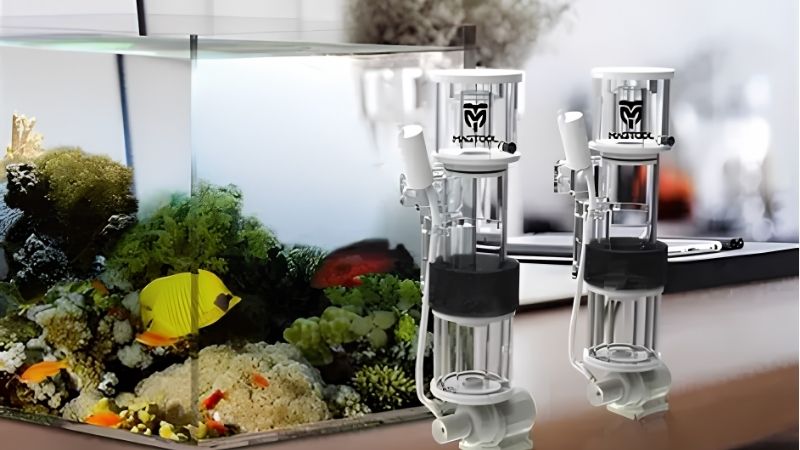
MagTool DC Protein Skimmer with Controllable Pinwheel Pump (N100 Plus)
Included for 'Best Budget Protein Skimmer: Top Expert Picks for Beginners' as a relevant option in this category; details come from the product listing.
View on Amazon
VEVOR Protein Skimmer for 30-80 Gal Saltwater Aquarium Hang On with DC Pump, Protein Skimmer with DC Pinwheel Pump, Adjustable Control, for 30-80 Gal Medium Saltwater Aquariums & Reef Tank Fish Tank
Included for 'Best Budget Protein Skimmer: Top Expert Picks for Beginners' because the listing specifies Protein Skimmer with DC Pinwheel Pump and Adjustable Control, details this guide uses to compare options.
View on AmazonMaximum gallon labels sell skimmers, and load-adjusted ratings actually size them. The best budget protein skimmer matches your real bioload, your available water depth and the space you have, rather than the largest number printed on the box. Four models compared below.
As an Amazon Associate we earn from qualifying purchases.
By David Nguyen
How to Choose a Budget Protein Skimmer
Four checks decide this purchase: reading published gallon ratings as load-adjusted bands, confirming the unit fits your available water depth and footprint, treating air draw and wattage as context rather than scores, and accounting properly for the running cost of continuous operation.
Read Gallon Ratings as Load Bands
Published ratings shift quite dramatically with stocking levels. BRS lists the TUNZE 9004 as suiting 20 gallons heavily stocked, 40 gallons at medium load and 60 gallons lightly stocked, which is three different answers from a single product depending entirely on the tank behind it.
Single maximum figures compress that whole range down into marketing copy. The Curve 5 Elite is listed at 75 gallons heavily stocked, 100 at medium and 125 lightly stocked, so match your feeding regime and fish count to the appropriate band rather than simply to the headline number.
Check Water Depth and Footprint
In-sump skimmers require a specific water depth to operate correctly, and the Curve 5 Elite specifies 9.5 to 11 inches. A sump running any shallower will not float the unit at its designed level, which changes foam production considerably regardless of the skimmer’s underlying quality.
In-tank units avoid that constraint entirely, and TUNZE rates the 9001 for tanks of between 5.3 and 37 gallons while hanging inside the display. Measure your sump chamber and available depth before shopping, since this single figure eliminates unsuitable candidates faster than price ever does.
Air Draw and Wattage Are Context
Published air figures describe pump capability rather than actual skimming performance. The 9001 draws 100 litres per hour, the 9004 draws 150, the 9004 DC draws 200 and the Curve 5 Elite draws 300, and those numbers only compare meaningfully alongside body volume and internal design.
Wattage works in much the same way, running from 2.5 watts on the 9001 to roughly 5 watts on the DC version with a stated maximum near 10. Treat both published figures as inputs describing scale and running cost, rather than as any ranking of how well a given skimmer actually performs.
Account for Continuous Running Cost
Skimmers run around the clock, so wattage becomes an ongoing running cost rather than a mere specification. A 2.5 watt unit and a 9.5 watt unit differ modestly per day and noticeably across a year, which matters a great deal when the whole point of the purchase was to save money.
Consumables are minimal by comparison, amounting mostly to cup cleaning and the occasional pump servicing. The larger ongoing consideration is whether an undersized skimmer eventually forces you into more frequent water changes, since that recurring cost in salt and time dwarfs the wattage difference entirely.
Top Picks
Four models spanning in-tank and in-sump designs, ordered by the load each realistically handles rather than by headline gallon claims. Published ratings, air draw, wattage and September 2026 pricing all appear throughout, alongside the limitation that ultimately decides each one.
| Product | Best For | Key Spec | Watch Out For |
|---|---|---|---|
| TUNZE 9004 | Balanced budget choice | 20/40/60 gal bands, 150 L/h, 4 W | Bands shift with feeding |
| TUNZE 9001 | Smallest tanks | 5.3 to 37 gal, 100 L/h, 2.5 W | In-tank space used |
| Curve 5 Elite | Larger sumps | 75/100/125 gal, 300 L/h air | Needs 9.5 to 11 in depth |
| TUNZE 9004 DC | Adjustable control | 15 to 79 gal, 200 L/h, about 5 W | Highest price here |
TUNZE 9004, Best Overall Budget Pick
At 199.99 USD, the TUNZE 9004 draws 150 litres of air per hour on just 4 watts, and BRS publishes it as suiting 20 gallons heavily stocked, 40 gallons at medium load and 60 lightly stocked. That published band structure makes it unusually honest about where it genuinely performs well.
The drawback is that same honesty, since a heavily fed 40 gallon reef sits outside the comfortable range rather than safely inside the headline figure. Assess your own feeding regime truthfully before buying, because an overloaded skimmer will produce disappointing foam quite consistently.
TUNZE 9001, Best for the Smallest Tanks
Rated for 5.3 to 37 gallons with 100 litres per hour of air draw on just 2.5 watts, the 9001 costs 149.99 USD and hangs inside the display itself, which removes any sump requirement entirely. For a nano reef running without a sump, that combination is difficult to beat on price alone.
It occupies display space and sits in plain view, which matters in an aquascaped nano tank where every inch remains visible. The modest air draw also places it firmly at the lightly stocked end of its published range once feeding increases beyond a couple of small fish in the display.
Curve 5 Elite, Best for Larger Sumps
Listed at 212.49 USD, this in-sump unit draws 300 litres of air per hour through its pump and is published at 75 gallons heavily stocked, 100 gallons at medium and 125 lightly stocked, which covers considerably more system than either of the in-tank alternatives does at a broadly similar price.
It requires between 9.5 and 11 inches of water depth in the sump, which rules out shallower chambers entirely. That quoted price also reflects a dated sale figure rather than any permanent position, so verify the current pricing before treating this one as the obvious value option.
TUNZE 9004 DC, Best Adjustable Control
The DC version covers 15 to 79 gallons with 200 litres per hour of air draw, running around 5 watts with a stated maximum near 10, at 259.99 USD. Adjustable output also lets you tune foam production as stocking gradually changes rather than replacing the whole unit a year or two later.
It is the most expensive option covered here, which does stretch the budget framing, and that wider gallon range still requires careful load adjustment at both of its ends. Controllability earns back its price on a tank whose stocking will grow, and considerably less on an entirely static system.
Frequently Asked Questions
Four questions decide most budget skimmer purchases: how to size for a real bioload, whether more air genuinely means better skimming, whether a sump is necessary at all, and how much power these units actually consume. Direct answers below, with the exceptions worth knowing first.
How Do You Size a Skimmer for Your Bioload?
Use the load-adjusted band rather than the single maximum figure. BRS publishes the 9004 at 20 gallons heavily stocked and at 60 gallons lightly stocked, so a 40 gallon tank holding several fish and fed daily belongs nearer the heavy end than to the middle of that published range.
Count feeding frequency alongside the fish count, since nutrient input drives skimming far more than water volume does. A lightly stocked 60 gallon system fed sparingly does genuinely sit in the light band, while a 30 gallon tank fed heavily behaves much like something considerably larger.
Does More Air Draw Mean Better Skimming?
Not on its own, no. Published air figures describe pump capability, and the 300 litres per hour on the Curve 5 Elite simply reflects a larger body handling a bigger system rather than proving any real superiority over the 150 litres per hour on the 9004 when running in a smaller tank.
Skimming performance emerges from air volume, bubble size, contact time and body design all working together. Comparing air draw across skimmers of very different sizes tells you about scale and nothing else, and comparing it within one single size class tells you rather more than that.
Do You Need a Sump for These Skimmers?
Not necessarily, since in-tank models exist for precisely this sort of tank situation. TUNZE rates the 9001 for 5.3 to 37 gallons when mounted inside the display, which suits all-in-one tanks and nano reefs running without any sump plumbing or any additional chamber space at all.
In-sump units deliver more capacity for the money but impose their own requirements, and the Curve 5 Elite needs between 9.5 and 11 inches of water depth. Measure that sump chamber before ordering, because insufficient depth compromises performance in ways that no later adjustment will fix.
How Much Power Do Budget Skimmers Use?
Very little individually, although they do run entirely continuously. Published figures here range from 2.5 watts on the 9001 up to around 5 watts on the 9004 DC with a stated maximum near 10, which makes them fairly minor contributors beside the heaters, lighting and return pumps.
Calculate the annual figure by multiplying watts by running hours rather than guessing at it, since continuous operation accumulates quietly. The more significant cost remains an undersized unit that drives extra water changes, which quietly consumes salt, time and patience steadily across a year.
Final Thoughts
Size from the load-adjusted band, confirm the depth and footprint, then read air and wattage purely as context. The best budget protein skimmer is the TUNZE 9004 for most small reefs, the 9001 for nano tanks running without a sump, and the Curve 5 Elite wherever sump depth allows.
Best Automated Dosing Pumps for Reef Tanks in 2026: Compared and Ranked
Best LED Mounting Arm for Reef Lights: How to Choose It