Last Updated: October 9, 2026
- What Does an Aquarium Return Pump Do?
- Key Specs to Evaluate
- Top Aquarium Return Pump Picks
- How to Size a Return Pump for Your Tank
- DC vs AC Return Pumps
- Installation Tips
- Why Head Pressure Changes Everything in Sump Sizing
- Failsafes and Power-Outage Planning for Sump Returns
- Related Guides
- Frequently Asked Questions
- Related Articles
- Top Pick: JEREPET 1250gph Aquarium 24V DC Water Pump with Controller, Submersible and Inline Return Pump for Fish Tank,Aquariums,Fountains,Sump,Hydroponic,Pond,Freshwater and Marine Water Use (32W,13.1FT)
- Best Value: JEREPOND 660GPH Aquarium Return pump with LCD display controller, DC 24V 25W aquarium pump for saltwater freshwater aquarium,fish tank,sump,20 speeds ECO Quiet Submersible and inline pump
- Premium Choice: hygger 1060GPH Quiet Submersible and External 24V Water Pump, with Controller (30%-100% Settings), Powerful Return Pump for Fish Tanks, Aquariums, Ponds, Fountains, Sump, Hydroponics (33W, 13.1ft)

TL;DR: An aquarium return pump moves water from your sump back to the display tank. Choosing the right GPH rating, head pressure, and noise level is critical for a stable reef or planted system. This guide covers what to look for and which pumps deliver the best value.
Best Aquarium Return Pump for Sump Systems: What Every Hobbyist Needs to Know
If you’re running a sump on your reef or planted tank, your aquarium return pump is the engine that keeps everything running. Get it wrong and you’ll fight constant flow imbalances, temperature swings, and equipment failures. Get it right and your tank practically runs itself.
As an Amazon Associate we earn from qualifying purchases at no extra cost to you.
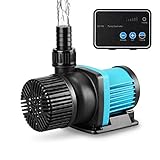


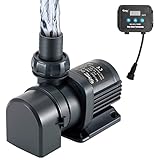


This guide covers the fundamentals of selecting a return pump, the specs that matter most, and three top picks across different tank sizes.
🛒 Best Price Today on Amazon
Prime members get fast, free shipping on everything above, plus member-only deals. New members get a 30-day free trial — cancel anytime.
Start 30-Day Prime Free Trial →See Today’s Amazon DealsWhat Does an Aquarium Return Pump Do?
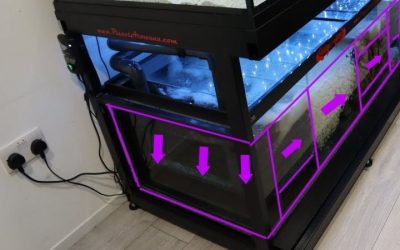
The return pump sits in the sump’s return chamber and pushes filtered, temperature-stabilized water back up to the display tank. It works in a closed loop with your overflow — water spills into the overflow, drains to the sump, gets filtered and heated, then the pump pushes it back up through the return line.
Flow rate (measured in GPH — gallons per hour) must match your tank volume and the vertical distance the pump needs to push water. That vertical distance is called head pressure and dramatically reduces actual output compared to the pump’s rated GPH at zero head.
Key Specs to Evaluate
| Spec | What It Means | Recommended Range |
|---|---|---|
| Max GPH | Flow at zero head pressure | 5–10x tank volume |
| Max Head | Max vertical lift in feet | 10–15 ft for most sumps |
| Wattage | Power draw | Lower = cheaper to run |
| DC vs AC | DC = variable speed + quieter | DC preferred for reefs |
| Noise (dB) | Audible vibration level | <35 dB ideal |
| Impeller Type | Wet-rotor = submerged, inline = external | Depends on sump design |
Top Aquarium Return Pump Picks
The following three pumps cover small, medium, and large sump setups. All are DC-controllable for variable flow.




As an Amazon Associate we earn from qualifying purchases. Product prices and availability are accurate as of the date/time indicated.



As an Amazon Associate we earn from qualifying purchases. Product prices and availability are accurate as of the date/time indicated.


As an Amazon Associate we earn from qualifying purchases. Product prices and availability are accurate as of the date/time indicated.
How to Size a Return Pump for Your Tank
The rule of thumb: target 5–10x your display tank volume in turnover per hour at the actual head pressure. For a 75-gallon tank with a 5-foot head, you want 375–750 GPH of real-world flow (not rated flow).
Use the pump’s head curve chart — most manufacturers publish these. Find the GPH at your head height. If it’s within your target range, you’re good. If not, size up or reduce head by shortening the return line.
Oversize slightly if you plan to add more flow consumers (reactors, chillers, UV sterilizers) to your return line later.
DC vs AC Return Pumps
AC pumps are cheaper upfront but fixed-speed and louder. DC pumps cost more initially but pay off with lower energy bills, quieter operation, and variable speed control. For a reef tank where you might want to slow flow during feeding or ramp it down overnight, DC is the clear choice.
Most quality DC return pumps now include a controller with preset modes: feed mode, night mode, and full power. Some integrate with reef controllers like Apex or GHL.
Installation Tips
Always use a union on the return pump outlet so you can remove it for cleaning without draining the sump. Prime the pump before first power-on to avoid dry running the impeller. Install a check valve if your return line is longer than 3 feet to prevent back-siphoning during a power outage.
If your return pump vibrates against the sump wall, place a rubber mat or foam pad underneath. This cuts noise dramatically and extends pump life by reducing vibration stress on the housing.
For related equipment in your sump build, check out our guides on setting up a sump from scratch, choosing the right protein skimmer, and optimizing water flow in reef tanks.
Why Head Pressure Changes Everything in Sump Sizing
The single most misunderstood part of choosing a return pump is head pressure, and getting it wrong is the difference between a quiet, balanced system and a constant fight with your sump. Head pressure is the combined resistance the pump must overcome: the vertical height from the sump to the return outlet, plus the friction added by every elbow, valve, and length of pipe in the run. A pump advertised at a high gallons-per-hour figure achieves that number only at zero head, sitting flat with no plumbing attached. Push that same water up four or five feet through a few fittings and real output can fall by a third or more.
This matters because your return pump’s true flow must match your overflow’s drainage capacity, not exceed it. If the pump pushes more water up than the overflow can safely drain back down, the display water level rises and the system becomes noisy or even floods. Conversely, an undersized pump starves the display of circulation. The practical fix is to read the pump’s head-pressure curve, estimate your total dynamic head from the layout, and choose a pump that delivers your target turnover at that real-world height. Leaving a margin and throttling flow back with a valve or a variable-speed controller is far safer than buying a pump that cannot reach the display at all.
Failsafes and Power-Outage Planning for Sump Returns
A sump system introduces a risk that a simple all-in-one tank does not: when the power cuts, the return pump stops but gravity keeps draining the display until the water level drops to the overflow intake or the return outlet, whichever breaks the siphon first. Without planning, that backflow can overflow your sump and spill onto the floor. The standard precaution is to drill a small anti-siphon hole in the return line just below the water surface, so that when the pump stops, air enters and breaks the siphon before too much water drains down. Testing this by switching off the pump and watching how much water enters the sump tells you whether the sump has enough empty headroom to hold it.
Power outages also threaten livestock through loss of oxygen and circulation. In a stalled tank, dissolved oxygen falls and surface gas exchange slows, which is dangerous in a densely stocked reef. A battery-powered air pump kept on hand provides emergency aeration during longer outages and is inexpensive insurance. Some hobbyists add a controller that alerts them to pump failure or a leak detector beneath the stand. None of these measures replace good plumbing design, but together they turn a potential disaster into a manageable inconvenience and protect both your floor and the animals that depend on the pump running.
Related Guides
- Saltwater Coral Care Guide: Essential Products for Healthy Reef Corals
- Best LED Lighting For Reef Tank 2026
- Best Reef Aquarium Chiller 2026
- Best LED Light For Reef Aquarium 2026
Frequently Asked Questions
What GPH return pump do I need for a 75-gallon tank?
Target 375–750 GPH of actual flow at your head height. A pump rated at 1,000 GPH at zero head will typically deliver around 600–700 GPH at a 4–5 foot head, which is perfect for a 75-gallon system. Always check the pump’s published head curve rather than relying on the max rated GPH.
Can I use a powerhead instead of a dedicated return pump?
Technically yes, but powerheads aren’t designed for the continuous vertical lift a sump return requires. They lack the head pressure performance of dedicated return pumps and tend to fail faster under that load. Use a proper return pump designed for sump applications.
How often should I clean my aquarium return pump?
Every 3–6 months for most systems, or whenever you notice reduced flow. Remove the pump, disassemble the impeller housing, rinse with tank water (not tap — chlorine damages beneficial bacteria on the impeller), and use a soft brush to clear any debris. Inspect the impeller for wear or cracks.
Why is my return pump making a rattling noise?
Most rattling comes from debris caught in the impeller, air trapped in the pump housing, or the pump housing vibrating against the sump wall. Check the impeller for debris first. If it’s air, tilt the pump slightly to release the bubble. If it’s vibration, add rubber isolation padding under the pump.
Is a DC return pump worth the higher price?
For most hobbyists running a reef or planted sump, yes. The energy savings over 12–24 months typically offset the price difference, and the quieter operation and variable speed control are tangible daily benefits. If budget is tight, a quality AC pump works fine — just expect higher noise and fixed flow.
Ready to decide? Our #1 pick for 2026 is the Max GPH.
Live price & availability on Amazon.
Related Reviews & Guides


Best Reef Light for a 120 Gallon Tank: How to Choose It
Best Return Pump for a 75 Gallon Reef Tank: Top Picks