Last Updated: October 9, 2026
 Aquarium Calcium Reactor Reef” style=”max-width:100%;height:auto;margin-bottom:1rem” loading=”lazy”>
TL;DR: A calcium reactor uses CO2 to dissolve calcium carbonate media, delivering calcium and alkalinity to reef tanks simultaneously in balanced ratios — the most efficient method for heavily stocked SPS systems. This guide covers reactor sizing by coral load, CO2 regulation, effluent pH targeting, media selection, and how to tune output without destabilizing your parameters.
Aquarium Calcium Reactor for Reef Tanks: Complete Setup and Tuning Guide
Coral skeletons are made of aragonite — calcium carbonate (CaCO3). Every gram of coral growth consumes calcium and alkalinity from the water column in a roughly 2.5:1 molar ratio. In a lightly stocked reef, two-part dosing or a calcium reactor handles this demand easily. In a heavily stocked SPS tank with fast-growing acropora, millepora, and seriatopora colonies, a calcium reactor becomes the most cost-effective and parameter-stable solution available.
As an Amazon Associate we earn from qualifying purchases at no extra cost to you.




🛒 Best Price Today on Amazon
Prime members get fast, free shipping on everything above, plus member-only deals. New members get a 30-day free trial — cancel anytime.
Start 30-Day Prime Free Trial →See Today’s Amazon DealsTop Aquarium Calcium Reactors


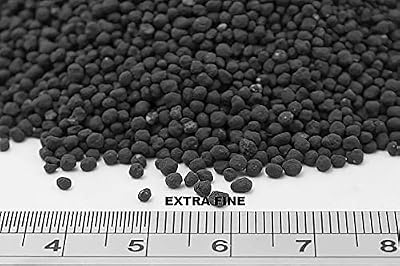

As an Amazon Associate we earn from qualifying purchases. Product prices and availability are accurate as of the date/time indicated.


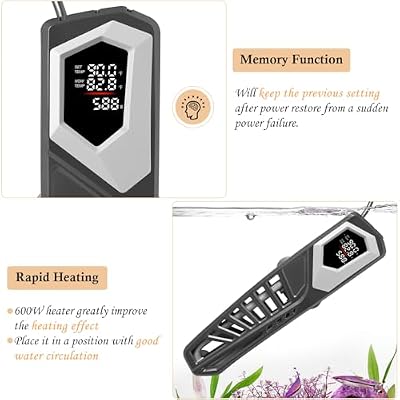


As an Amazon Associate we earn from qualifying purchases. Product prices and availability are accurate as of the date/time indicated.


As an Amazon Associate we earn from qualifying purchases. Product prices and availability are accurate as of the date/time indicated.
How a Calcium Reactor Works
Reactor water is recirculated through a sealed chamber packed with calcium carbonate media (typically aragonite or a coral skeleton media like Korallenzucht or ARM). CO2 is injected into the chamber, dissolving into the water and forming carbonic acid (H2CO3). This mildly acidic water dissolves the calcium carbonate media, releasing Ca2+ and HCO3- (bicarbonate) ions — the same calcium and alkalinity your corals consume.
Effluent — the dissolved, calcium and alkalinity-rich water exiting the reactor — drips into the sump at a controlled rate. The key operating parameter is effluent pH, which should typically fall between 6.5–6.8. Below pH 6.3, excess CO2 reaches the display tank and can drive down system pH. Above pH 6.9, dissolution slows and the reactor underperforms. This pH tuning is done by adjusting CO2 bubble count and effluent drip rate in tandem.
Calcium Reactor Sizing by System
| System Size | Coral Load | Reactor Size | Media Volume | CO2 Cylinder |
|---|---|---|---|---|
| Up to 75 gal | LPS / mixed reef | Small (2 in chamber) | 1–2 L | 5 lb |
| 75–150 gal | Mixed SPS | Medium (3 in chamber) | 2–4 L | 10–20 lb |
| 150–300 gal | Heavy SPS | Large (4 in chamber) | 4–8 L | 20 lb |
| 300+ gal | SPS dominant | Dual-chamber or oversized | 8+ L | 20–50 lb |
CO2 Regulation: The Critical Component
The CO2 regulator is not a place to economize. A quality dual-stage regulator with a bubble counter and solenoid valve gives you precise, stable CO2 delivery that does not “end-of-tank dump” — the phenomenon where a low cylinder delivers a sudden CO2 surge as pressure drops, crashing tank pH. Milwaukee, Aquamedic, and GHL make regulators widely used in reef applications. Planted tank CO2 regulators from the same manufacturers work identically for calcium reactors — the chemistry is the same even if the application differs. Our CO2 system setup guide covers regulator selection and installation in detail.
Always mount CO2 cylinders upright and secure them to prevent tipping. A solenoid valve wired to your lighting controller or ATO allows you to shut off CO2 injection at night when natural photosynthesis is absent and pH is already trending lower. For large reactors, a pH controller probe monitoring the effluent line automates bubble count adjustments.
Media Selection and Dissolution Rate
ARM (Aragonite Reactor Media) is the most widely available calcium reactor media — affordable, consistent particle size, and high purity. It dissolves relatively quickly, requiring refills every 2–4 months on a medium system. Coral skeleton media (Korallenzucht, CaribSea Reactor media) is denser and dissolves more slowly, extending refill intervals but requiring a lower effluent pH to achieve the same output. Mixed-media reactors running coarser media in the first chamber and ARM in a second chamber optimize both residence time and dissolution efficiency.
Avoid media with high phosphate content — some lower-grade calcium media introduces phosphate that fuels algae growth and impairs coral calcification. Test fresh media in RO/DI water for phosphate leaching before loading. This matters particularly in SPS-dominated tanks where phosphate targets of 0.02–0.05 ppm are common. For guidance on salt mix and baseline parameter management, see our marine salt mix comparison guide.
Tuning Calcium and Alkalinity Output
Initial tuning requires patience. Start with a conservative drip rate (1–2 drops per second effluent), measure calcium and alkalinity every 48 hours, and adjust CO2 bubble count and drip rate incrementally. The goal is to match consumption — if calcium is rising, reduce drip rate; if calcium is falling, increase it. Never change both CO2 and drip rate simultaneously or you cannot isolate which variable caused a parameter shift.
Once stable, the reactor should hold calcium at 420–450 ppm and alkalinity at 8–10 dKH with minimal manual intervention. Supplement with a two-part solution during the initial weeks while tuning to avoid letting parameters crash. Alkalinity drops faster than calcium in most SPS systems, so early signs of under-dosing appear as alkalinity decline first. For protein skimmer interaction with reactor effluent, our protein skimmer guide discusses effluent injection point placement to avoid CO2 off-gassing into the skimmer body.
Related Guides
- Aquarium Dosing Pump Calcium Magnesium
- Reef LED Programmable Coral Light
- Best Nano Protein Skimmers for Small Reef Tanks
Frequently Asked Questions
At what tank size does a calcium reactor become worth the investment?
For LPS-dominated tanks under 100 gallons, two-part dosing is typically more cost-effective and simpler to manage. The economics shift toward a calcium reactor at approximately 100–150 gallons with moderate SPS coverage, or any tank size with heavy SPS stocking where two-part consumption exceeds one liter per week. The reactor’s main advantage is that media costs pennies per liter of output compared to two-part solutions — operational cost drops dramatically at high demand levels.
Can a calcium reactor cause pH problems in my reef tank?
Yes, if improperly tuned. Effluent exiting below pH 6.3 contains excess dissolved CO2 that off-gasses into the sump and drives system pH down. The fix is either increasing the effluent drip rate (reducing residence time in the reactor) or decreasing CO2 bubble count. Installing a second de-gassing chamber where effluent passes through an air-exposed column before entering the sump removes residual CO2 mechanically and is the preferred solution for large reactors at high output.
Do I still need to test water parameters with a calcium reactor running?
Absolutely. A calcium reactor maintains parameters only if the CO2 supply is consistent, the media does not deplete, and coral consumption remains stable. Any change — new coral additions, temperature shifts, media bridging, CO2 cylinder running low — alters the output. Test calcium and alkalinity at minimum weekly on an SPS-dominated system. An ICP test every 3–6 months catches trace element depletion that calcium reactors do not replenish. Our aquarium water test kit guide covers reef-appropriate test methods including titration kits and electronic probes.
What is media bridging and how do I prevent it?
Media bridging occurs when dissolved particles re-precipitate or clump inside the reactor chamber, forming a solid mass that restricts water flow and reduces dissolution. It is more common with fine-grain media at high CO2 injection rates. Prevention: use media with uniform particle size of 15–30 mm, maintain effluent pH above 6.3 (excessive acidity dissolves media too aggressively causing fine particles), and flush the reactor with tap water and a gentle shake during media refills to dislodge any early clumping.
Can I use a calcium reactor on a mixed reef with softies and LPS alongside SPS?
Yes. Calcium and alkalinity targets suitable for SPS (420–450 ppm Ca, 8–10 dKH) are perfectly acceptable for LPS and most soft corals. The reactor does not differentiate between coral types — it simply maintains the dissolved mineral levels that all calcifying organisms use. The only consideration is that some softies like Xenia and pulsing corals become excessively aggressive at elevated alkalinity (above 11 dKH), so stay within the moderate range appropriate for mixed tanks.
Ready to decide? Our #1 pick for 2026 is the Up to 75 gal.
Live price & availability on Amazon.
Related Reviews & Guides



Aquarium Refractometer Salinity Tester
6 Best Beginner Saltwater Aquarium Kits 2026