Last Updated: October 21, 2026
- Watch: How to Cycle a New Aquarium Without Fish (Fishless Cycle) — Video Review
- Understanding the Nitrogen Cycle
- Step 1: Add a Pure Ammonia Source
- Step 2: Seed the Tank with Bacteria
- Step 3: Test and Wait
- Step 4: Water Change and Stock
- Tips
- Frequently Asked Questions
- Conclusion
- Related Articles
- Related Guides
- Top Pick: Fritz Fishless Fuel Ammonia Solution for Fishless Aquarium Cycling – 2 oz
- Best Value: Gingerbread Pet Supply Ammonium Chloride Powder 300g – Pure Ammonia Source for Fishless Aquarium Cycling – Accurate Dosing for Freshwater & Saltwater Tanks
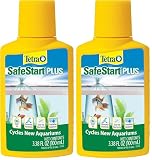
- Premium Choice: Tetra SafeStart Plus for New Freshwater Aquariums, 3.38 oz
The fishless cycle is the single most important thing you can do before adding livestock, and it is also the step most beginners skip to their regret. Cycling builds a colony of beneficial bacteria that convert toxic ammonia into nitrite and then into far safer nitrate, creating the biological filter that keeps fish alive.
Doing it without fish means no living creature suffers ammonia burns while the bacteria establish. This guide walks through the fishless cycle step by step using a pure ammonia source and a bottled bacteria starter, so that when you finally add fish in a few weeks, they enter a stable, safe environment rather than a toxic soup.
As an Amazon Associate we earn from qualifying purchases at no extra cost to you.




⚡ Save on Your Next PC — Amazon Prime
Prime members get fast free shipping on the systems above, plus early access to Prime Day & Black Friday PC deals. New members get a 30-day free trial.
Watch: How to Cycle a New Aquarium Without Fish (Fishless Cycle) — Video Review
Understanding the Nitrogen Cycle
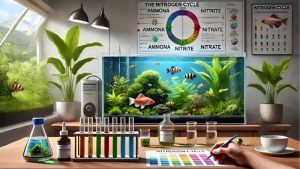
Fish waste and uneaten food release ammonia, which is toxic even at low levels. One group of bacteria converts ammonia into nitrite, which is also harmful, and a second group converts nitrite into nitrate, which is relatively safe and removed by water changes. Your goal is to grow both bacteria groups before any fish arrive.
Step 1: Add a Pure Ammonia Source
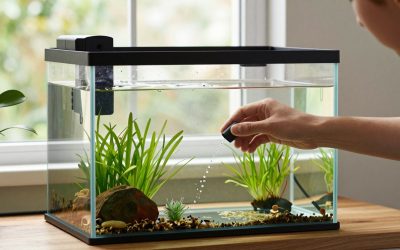
Instead of fish waste, you feed the cycle directly with an ammonia source such as Fritz Fishless Fuel or a measured ammonium chloride powder. Dose to reach around 2-4 ppm ammonia, which simulates a stocked tank and gives the bacteria something to consume.
- Use a liquid ammonia test kit and dose in small increments to hit your target without overshooting.
- Avoid scented or surfactant-containing household ammonia; only pure sources are safe.
Step 2: Seed the Tank with Bacteria
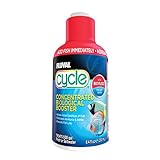
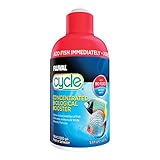
Bottled starters like Tetra SafeStart Plus or Fluval Cycle introduce live nitrifying bacteria that dramatically shorten the wait. For marine tanks, a saltwater-specific blend seeds the correct species. These products can cut a cycle from six-plus weeks down to two or three.
Step 3: Test and Wait
Test daily and watch the pattern: ammonia rises then falls, nitrite rises then falls, and finally nitrate appears. Keep re-dosing ammonia to about 2 ppm whenever it drops to zero, which keeps the growing colony fed. The tank is cycled when both ammonia and nitrite return to zero within 24 hours of dosing.
Step 4: Water Change and Stock
Once fully cycled, do a large water change to bring accumulated nitrate down before adding fish. Then stock gradually so the bacteria colony can scale up to the real bioload rather than being overwhelmed all at once.
Tips
- Keep the heater on and water warm, around 80°F, since bacteria multiply faster in warm water.
- Run your filter and add surface agitation; nitrifying bacteria need oxygen to thrive.
- Do not clean or replace filter media during cycling, as that is where most bacteria live.
- Be patient with a bottled starter; even accelerated cycles usually take at least two weeks.
Frequently Asked Questions
How long does a fishless cycle take?
Typically two to six weeks. Adding a live bacteria starter and keeping the water warm brings it toward the shorter end of that range.
How much ammonia should I dose?
Aim for about 2-4 ppm. Higher concentrations can actually stall the cycle by inhibiting the bacteria you are trying to grow.
Do bacteria starters really work?
Quality refrigerated or fresh starters introduce real nitrifying bacteria and can noticeably speed up cycling, though results vary with handling and storage.
How do I know the cycle is finished?
When a full dose of ammonia is processed to zero ammonia and zero nitrite within 24 hours, and nitrate is present, your biofilter is ready for fish.
Conclusion
A fishless cycle trades a few weeks of patience for a lifetime of easier fishkeeping. Feed the tank pure ammonia, seed it with live bacteria, test daily until ammonia and nitrite clear in a day, then water-change and stock slowly. Start your aquarium this way and you skip the deadly ammonia spikes that ruin so many first tanks.
How to Set Up a Freshwater Aquarium Without Losing Fish
How to Speed Up Aquarium Cycling: What Works and What Fails