Last Updated: October 21, 2026
Every experienced aquarist has a story about the time they skipped quarantine and paid for it, watching a preventable disease sweep through an established tank and wipe out fish they had kept for years. Quarantining new arrivals is the single most effective habit for protecting your display tank, and it is far simpler than most beginners fear.
This guide explains exactly how to quarantine new fish before adding them to your main aquarium in 2026, covering the setup, the timeline, and the products that make it foolproof. From cycling the quarantine tank quickly with API Quick Start to reducing stress during the transition, here is the whole routine.

API Quick Start Freshwater and Saltwater Aquarium Nitrifying Bacteria 4-Ounce Bottle
Included for 'How to Quarantine New Fish Before Adding Them to Your Aquarium' as a representative aquarium product in this roundup; selection reflects the product set returned for this topic.
View on Amazon
MICROBE-LIFT Nite-Out II Aquarium Bacteria for Start-up, Instantly Cycle Aquariums, Add Fish on Day 1, Rapid Ammonia and Nitrite Reducer for Freshwater & Saltwater Fish Tank, 8 Ounces (NITEH08)
Included for 'How to Quarantine New Fish Before Adding Them to Your Aquarium' as a representative aquarium product in this roundup; selection reflects the product set returned for this topic.
View on Amazon
API STRESS ZYME Bacterial cleaner, Freshwater and Saltwater Aquarium Water Cleaning Solution, 4 oz
Included for 'How to Quarantine New Fish Before Adding Them to Your Aquarium' as a representative aquarium product in this roundup; selection reflects the product set returned for this topic.
View on Amazon
API GOLDFISH AQUARIUM CLEANER Aquarium Cleaner 4-Ounce Bottle
Included for 'How to Quarantine New Fish Before Adding Them to Your Aquarium' as a representative aquarium product in this roundup; selection reflects the product set returned for this topic.
View on Amazon
Aquarium Pharmaceuticals 93B Bettafix Remedy, 1.7 oz.
Included for 'How to Quarantine New Fish Before Adding Them to Your Aquarium' as a representative aquarium product in this roundup; selection reflects the product set returned for this topic.
View on Amazon
Nationwide Fish Live Fish - 3 Clown Plecos Catfish Live Freshwater Aquarium Fish
Included for 'How to Quarantine New Fish Before Adding Them to Your Aquarium' as a representative aquarium product in this roundup; selection reflects the product set returned for this topic.
View on Amazon
MICROBE-LIFT Nite-Out II Aquarium Bacteria for Start-up, Instantly Cycle Aquariums, Add Fish on Day 1, Rapid Ammonia and Nitrite Reducer for Freshwater & Saltwater Fish Tank, 4 Ounces (NITEH04)
Included for 'How to Quarantine New Fish Before Adding Them to Your Aquarium' as a representative aquarium product in this roundup; selection reflects the product set returned for this topic.
View on AmazonWatch: How to Quarantine New Fish Before Adding Them to Your Aquarium — Video Review
Why Quarantine Matters
New fish routinely carry parasites, bacteria, or fungal infections that may be dormant while the fish is healthy but explode under the stress of shipping and rehoming. A quarantine tank isolates that risk for a few weeks, letting you observe and treat problems before they ever reach your display. It also gives skittish new fish a calm, low-competition space to start eating and recover from transport.
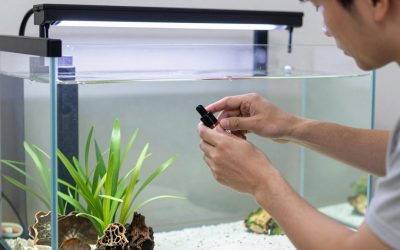
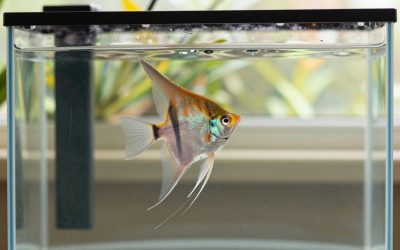
Setting Up a Quarantine Tank
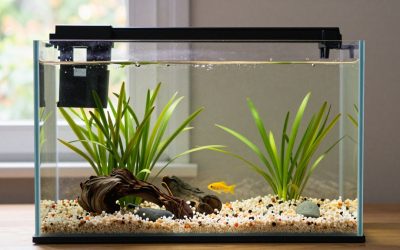
- Keep it simple: A bare-bottom 10-20 gallon tank with a sponge filter, a heater, and a hideout is all you need.
- Cycle it fast: Seed the filter with beneficial bacteria using a product like MICROBE-LIFT Nite-Out II so it processes ammonia from day one.
- Provide cover: A simple cave or some fake plants reduce stress and encourage the fish to come out and eat.
- No substrate: A bare bottom makes it easy to spot waste, uneaten food, and any parasites that drop off.
The Quarantine Timeline
Plan for a two-to-four week quarantine. Use the first week purely to observe: watch for clamped fins, rapid breathing, white spots, or unusual scratching against surfaces. Only medicate if you see symptoms, since dosing healthy fish stresses them needlessly. Keep water pristine with frequent small water changes and dose a bacterial supplement like API Quick Start after each change to protect the cycle. A stress-reducing conditioner helps new arrivals settle and eat.
Treating Common Problems
If disease appears, act on what you actually see. Ich (white spots) responds to raised temperature and appropriate medication; bacterial fin issues may call for a remedy like Bettafix or a targeted antibacterial. Keep a stress-zyme style cleaner such as API Stress Zyme on hand to support biological filtration during treatment, since medications can disrupt beneficial bacteria. Never rush a sick fish into your display to save time.
Tips
- Always keep a cycled sponge filter running in your main tank so you can move it to quarantine instantly when needed.
- Match quarantine water parameters to your display tank to avoid shocking the fish twice.
- Feed lightly and remove uneaten food; sick or stressed fish eat less.
- Use a dedicated net and equipment for quarantine to avoid cross-contaminating the display.
Frequently Asked Questions
How long should I quarantine new fish?
Two to four weeks is the standard. Two weeks catches most issues; four weeks is safer for expensive fish or if you have had disease problems before.
Do I need to medicate during quarantine?
Only if you observe symptoms. Prophylactic dosing of healthy fish adds stress. Observe first, then treat the specific problem you actually see.
Can I quarantine in a small tank without a full cycle?
Yes, using bottled beneficial bacteria and frequent water changes to control ammonia. Seeding the filter with a supplement like Nite-Out II makes this reliable.
What if I only have one tank?
A small tote or spare tank with a heater and sponge filter works as a temporary quarantine. It does not need to be pretty, just functional and separate from your display.
Conclusion
Quarantining new fish is cheap insurance against expensive heartbreak. Set up a simple bare tank, cycle it fast with bottled bacteria, observe for two to four weeks, and treat only what you see. Build the habit once and you will protect every fish in your display tank for as long as you keep the hobby.
Oscar Fish Care Guide: How to Keep These Large, Intelligent Cichlids

Freshwater Snails Control